
Sick Cat Drooling: Questions for Your Vet
Observing unexpected saliva from a sick cat drooling? Learn what details to track, how to keep your cat comfortable, and key questions to ask your vet.
Written by the SickCat Editorial Team · Updated Nov 5, 2026
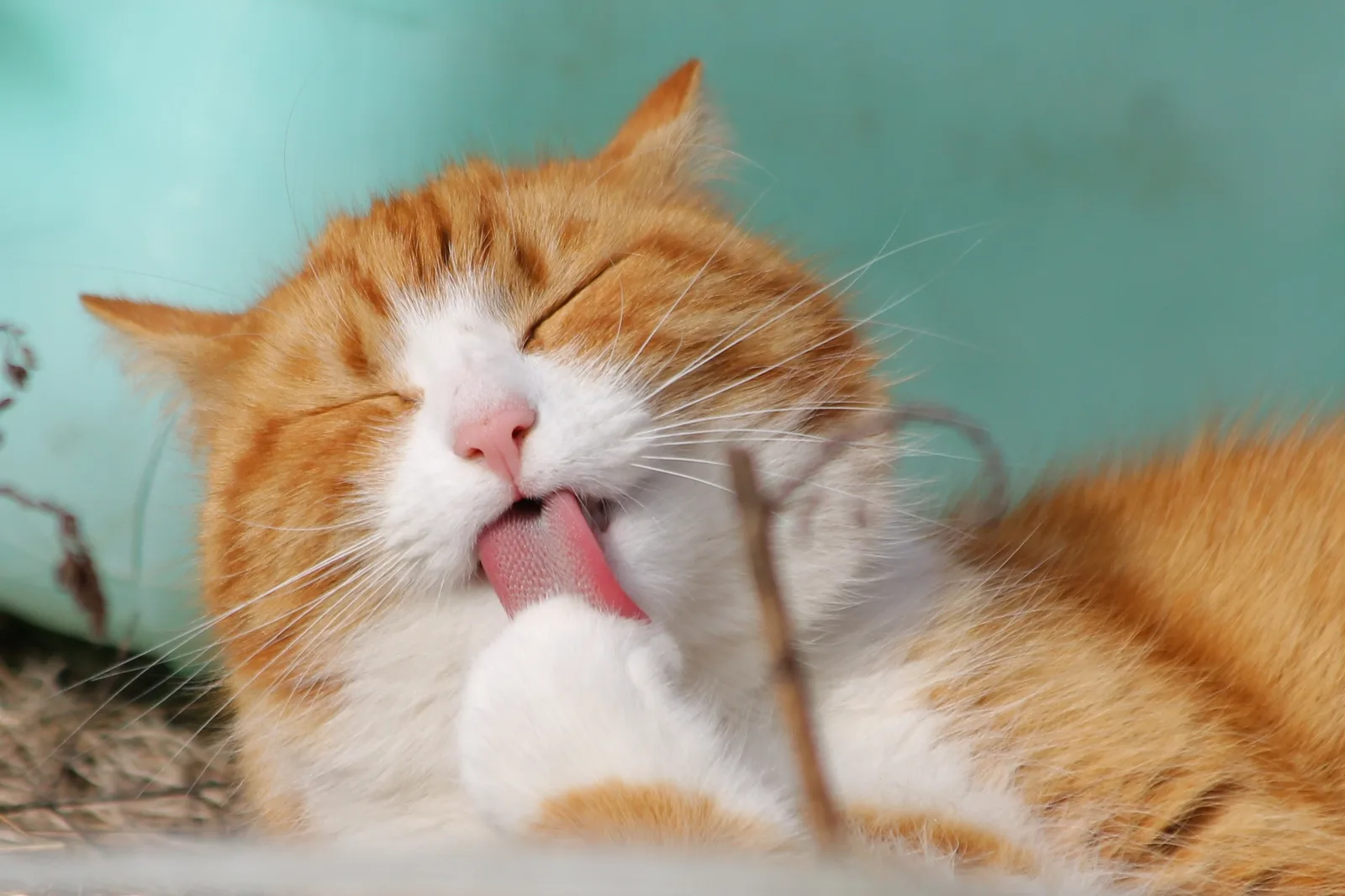
While some cats purr and produce a little moisture when completely relaxed, finding a sick cat drooling unexpectedly is often a signal that requires careful attention. Excessive salivation, known as ptyalism, can be linked to dental disease, mouth sores, foreign objects trapped in the oral cavity, nausea, or accidental ingestion of irritants.
Observations to Record When a Sick Cat Drooling Starts
Because cats mask discomfort instinctively, subtle daily cues can reveal a great deal. Before contacting your veterinary clinic, prepare a list of observations:
- Saliva Appearance: Notice whether the drool is clear and thin, thick and ropy, or discolored with blood or food particles.
- Eating Habits: Watch if your cat drops kibble, chews cautiously on only one side of the jaw, or avoids hard food entirely.
- Mouth Behavior: Observe pawing at the face, head shaking, teeth chattering, or foul mouth odor.
- Access to Toxins: Check if your cat had contact with toxic plants (like lilies), household detergents, or topical medications.
Questions to Bring to Your Veterinary Visit
Avoid forcing your cat's mouth open to look inside, as an inflamed mouth or loose tooth can be painful and cause undue stress. Keep fresh water nearby and offer soft, easily chewable food if your cat expresses interest in eating.
When speaking with your veterinarian, structured questions will make your appointment more productive:
- Could dental tartar, gingivitis, or a damaged tooth explain this discomfort?
- Are diagnostic blood panels or dental radiographs recommended?
- Is there any indication of nausea or an upset gastrointestinal tract?
This article is general information, not a diagnosis; a licensed veterinarian can advise on your cat's individual situation.