

Sick Cat Symptoms: A Calm Observation Checklist
Learn how to spot common sick cat symptoms using a calm observation checklist. Track subtle changes and know when to call your veterinarian for guidance.
Written by the SickCat Editorial Team · Updated Nov 5, 2026
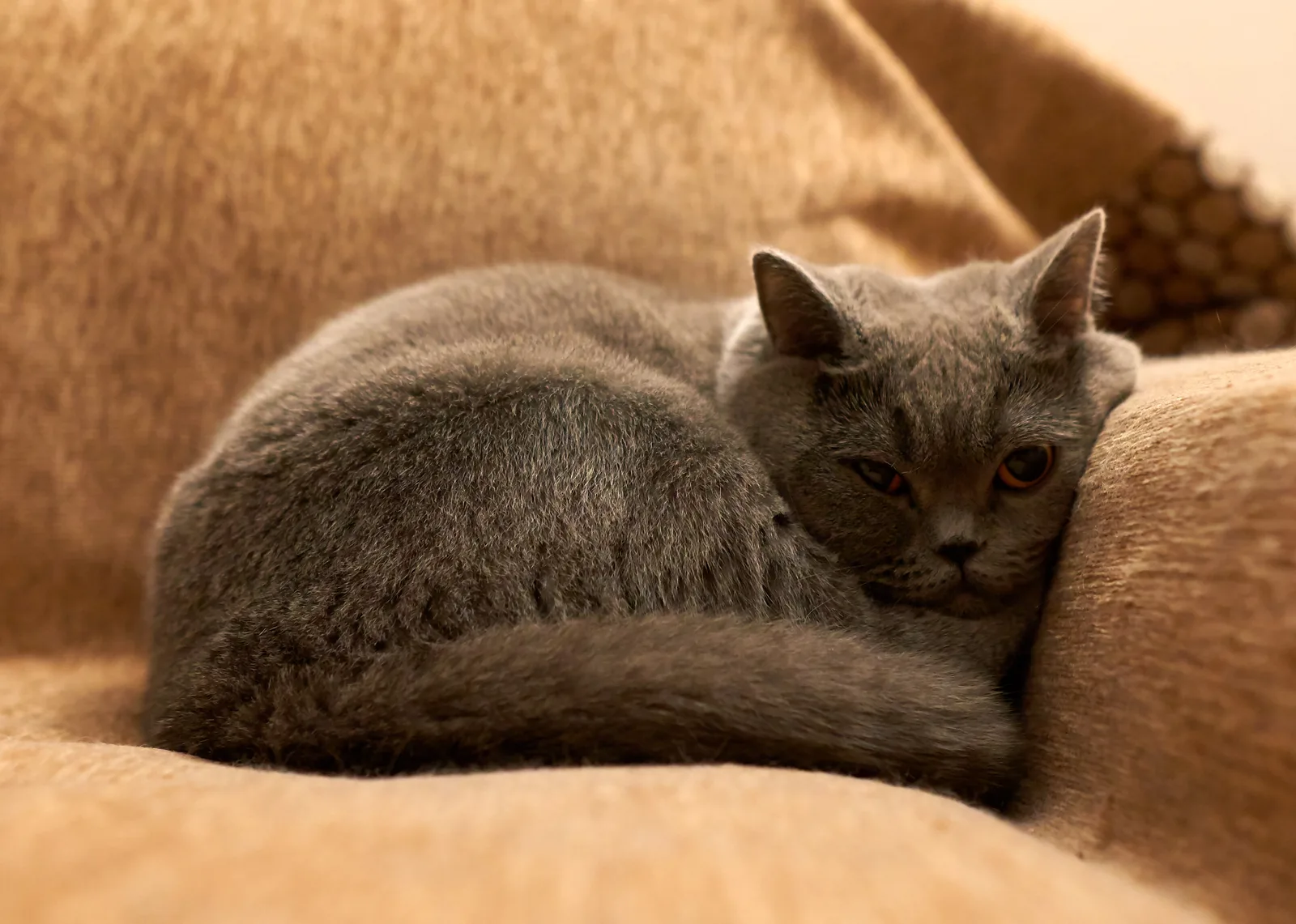
Cats are known for hiding discomfort, which means recognizing sick cat symptoms often begins with noticing quiet, day-to-day shifts in normal behavior. Because many different health issues share similar signs, observing your companion carefully provides valuable context for your vet clinic.
Common Sick Cat Symptoms to Note
When assessing your pet, look across their basic routine rather than searching for a single dramatic sign. A helpful checklist includes:
- Changes in appetite, water intake, or interest in favorite meals.
- Shifts in litter box habits (or litter tray use), such as frequency or straining.
- Reduced grooming, a dull coat, or unusual hiding in quiet spots.
- Uncharacteristic vocalization, restlessness, or lowered activity.
- Visible discharge from the eyes or nose, or occasional vomiting.
Preparing Helpful Notes for the Vet
Creating a low-stress environment while you evaluate your companion keeps them comfortable. Set up a warm, quiet resting room with easy access to fresh water and their bed. Before your appointment, write down clear observations to share:
- When did you first notice the change?
- Has your cat interacted with novel plants, foods, or household items?
- Are daily sleeping patterns noticeably altered?
This article is general information, not a diagnosis; a licensed veterinarian can advise on your cat's individual situation.