

Sick Cat Sneezing: A Simple Observation Guide
Noticing a sick cat sneezing can be concerning. Learn how to track sneeze frequency, monitor daily habits, and prepare helpful notes for your vet.
Written by the SickCat Editorial Team · Updated Nov 5, 2026
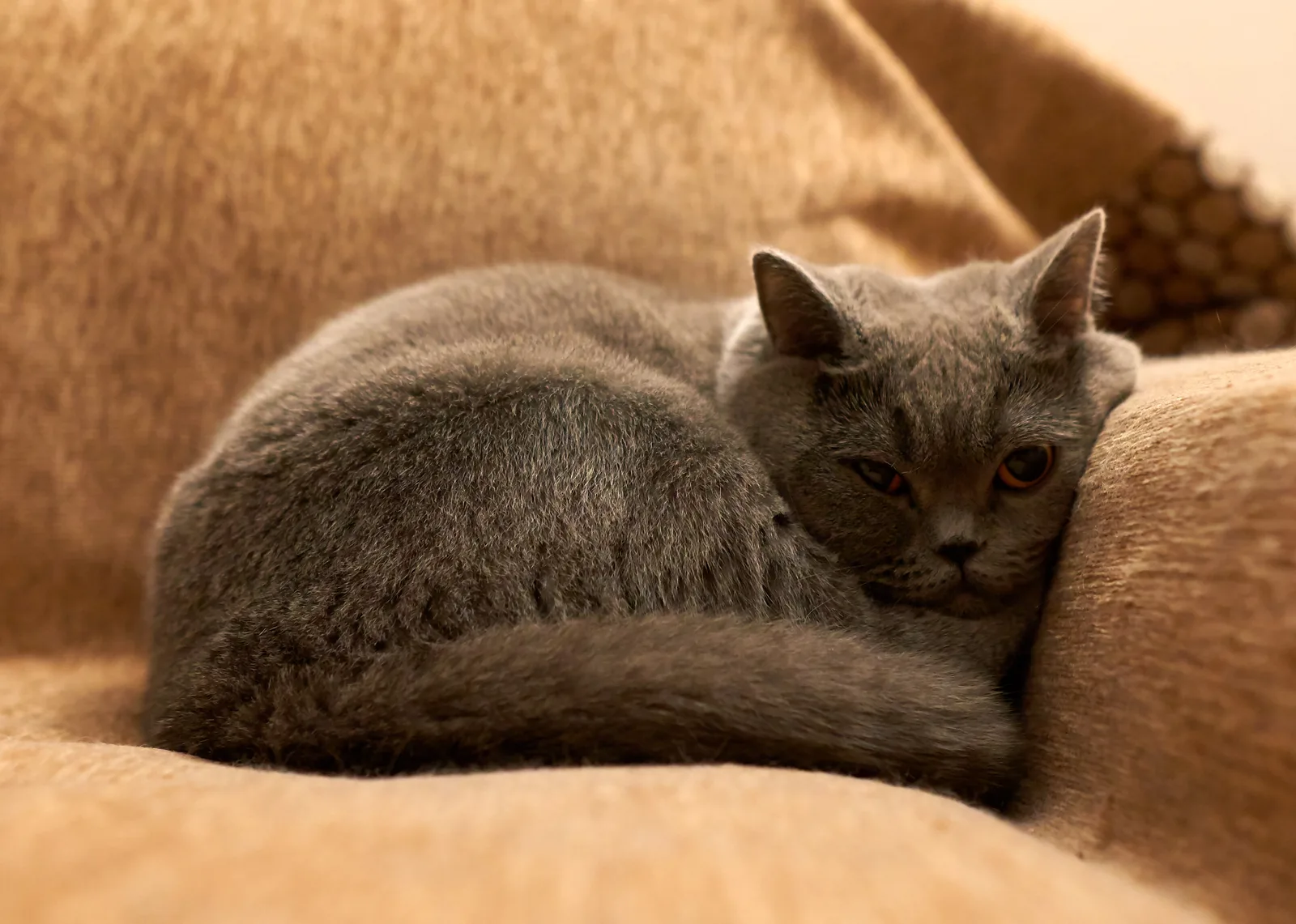
Hearing an occasional sneeze from your feline companion is common, but seeing a sick cat sneezing repeatedly often prompts pet owners to look closer. Because respiratory signs can arise from varied factors—such as household dust, seasonal irritants, or viral and bacterial infections—careful home observation is an essential first step.
What to Watch When a Sick Cat Sneezing Occurs
Taking time to document your cat's behavior in a quiet setting helps your veterinary care team understand the progression. Focus on general wellness and environmental context:
- Discharge: Note whether the nasal discharge is clear, cloudy, or tinged with color, and whether it affects one or both nostrils.
- Appetite and Water Intake: Check if your cat is still eating normally, as nasal congestion can diminish their sense of smell.
- Energy Levels: Observe whether your pet remains active or seeks secluded, resting spots.
- Environmental Changes: Identify recent changes, including new scented cleaning products, dusty cat litter (or litter tray substrates), or recent moves.
Low-Stress Comfort and Vet Preparation
While gathering information, keep your cat's environment calm, warm, and draft-free. Avoid introducing strong room sprays, essential oils, or heavy fireplace smoke, as these can aggravate sensitive airways. Never administer over-the-counter human medicines or leftover pet remedies, as many common household drugs are toxic to cats.
Instead, write down a timeline detailing when the sneezing began and whether other signs, like watery eyes or coughing, appeared alongside it. Capturing a brief phone video during a sneezing episode can also offer clear context during an examination. Because distinct conditions share similar signs, consulting a licensed veterinarian ensures an accurate assessment and a tailored care plan.
This article is general information, not a diagnosis; a licensed veterinarian can advise on your cat's individual situation.