

Sick Cat Not Eating: What to Observe
If you notice a sick cat not eating, follow this calm observation guide to record food preferences, energy shifts, and key details for your veterinarian.
Written by the SickCat Editorial Team · Updated Nov 5, 2026
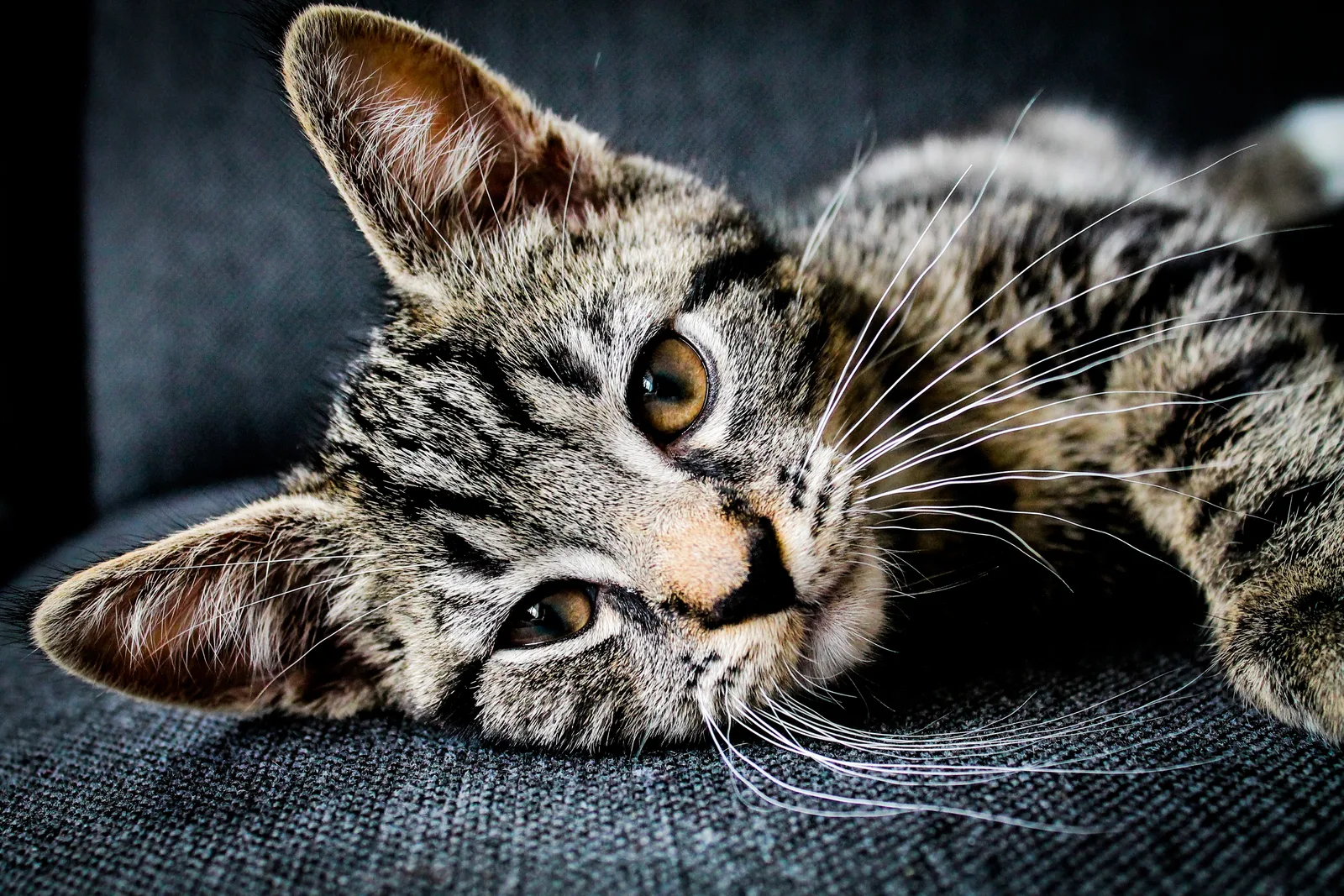
Noticing a sick cat not eating can be concerning for any pet owner, as felines rely on consistent nutrition to maintain normal metabolic health. A sudden drop in appetite often signals that a cat is uncomfortable, nauseated, or stressed, making patient, attentive observation essential.
Sick Cat Not Eating: Key Behaviors to Monitor
When your cat turns away from meals, look closely at how they interact with food and their surroundings. Important observations include:
- Sniffing food and walking away versus showing complete disinterest.
- Chewing on one side of the mouth, dropping kibble, or pawing at the face.
- Licking lips repeatedly, drooling, or hunching over the food dish.
- Accompanying changes in water consumption or litter box (or litter tray) usage.
- Noticeable lethargy, hiding in secluded spots, or avoidance of family interaction.
Preparing Practical Information for Your Clinic
To prepare for your veterinary discussion, provide a calm resting space with fresh water and avoid forcing food. Jot down helpful details before reaching out to your vet:
- When was the last time your cat ate a full meal or treat?
- Have you recently changed food brands, flavors, or bowl locations?
- Have you observed signs of nausea, vomiting, or diarrhea?
This article is general information, not a diagnosis; a licensed veterinarian can advise on your cat's individual situation.