

Sick Cat Lethargy: Notes to Take Before Calling the Vet
Dealing with sick cat lethargy? Learn what specific behaviors to record before you call the clinic and how to keep your feline patient comfortable.
Written by the SickCat Editorial Team · Updated Nov 5, 2026
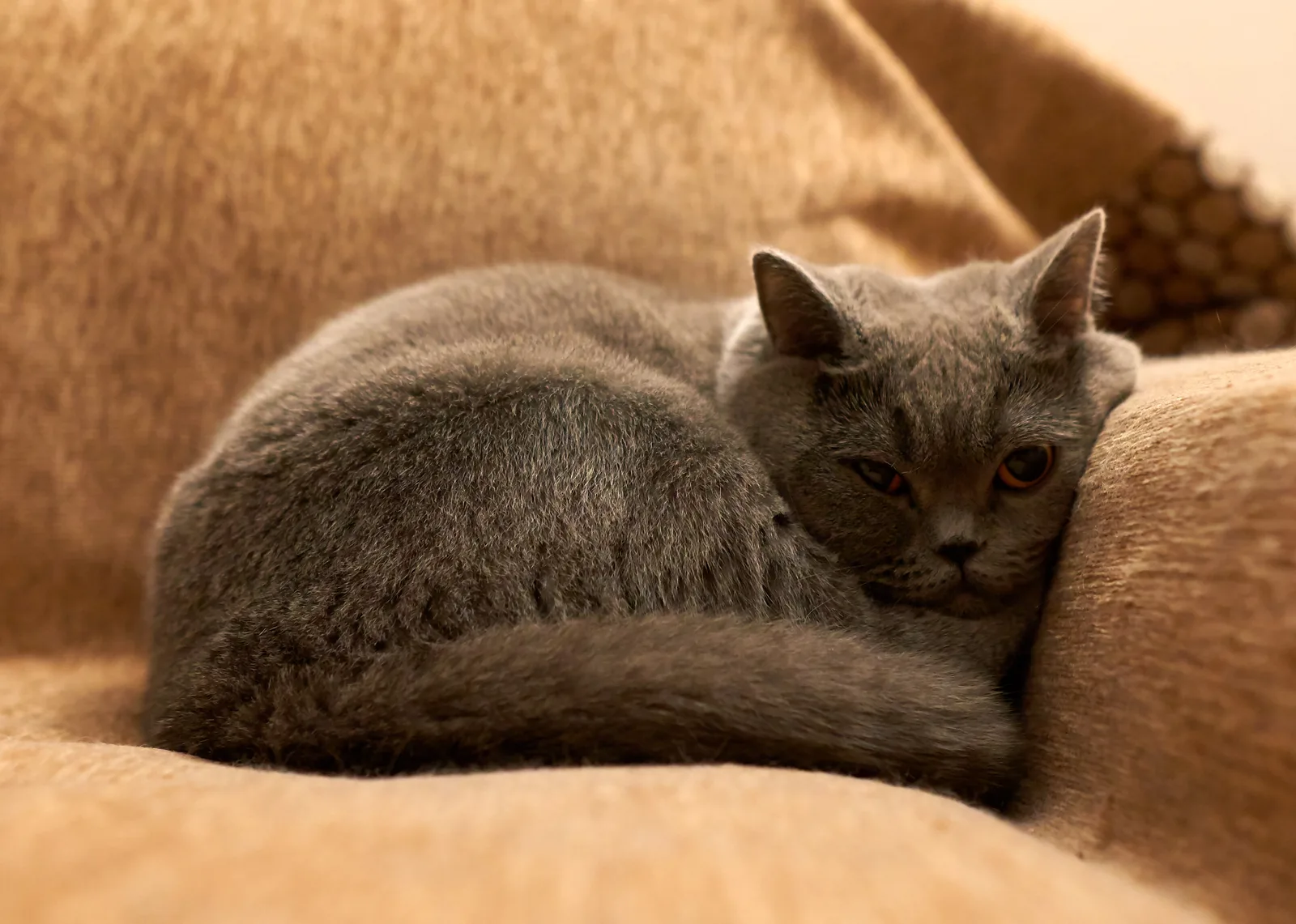
Noticing sudden sick cat lethargy can be deeply concerning for any caregiver. True lethargy goes beyond standard daytime napping; it involves marked drowsiness, weak movement, or indifference to beloved toys, treats, and family members. Because generalized sluggishness can accompany almost any feline health problem—from viral infections and fever to digestive or organ complications—accurate observation is your most powerful tool.
Documenting Signs of Sick Cat Lethargy
Before you telephone your veterinary practice, compiling structured notes about your cat’s status will help the veterinary staff evaluate how urgently your pet needs to be seen.
Create a concise checklist of these key details:
- Activity and responsiveness: Is your cat able to stand, walk steadily, and lift their head, or do they seem weak and dizzy?
- Interaction with food and water: Have they eaten meals, accepted treats, or taken sips from their water bowl?
- Elimination history: Note any changes in urine output or bowel movements in the litter box or tray.
- Physical indicators: Check for abnormal breathing, shivering, pale gums, drooling, or unusual discharge from the eyes or nose.
Creating a Low-Stress Environment
While preparing for your appointment, keep your cat in a calm, dimly lit room where other pets and loud household sounds will not disturb them. Place soft blankets, fresh water, and a low-sided litter tray within easy reach so they do not need to exert unnecessary effort. If your cat shows critical indicators such as obvious breathing difficulty, collapse, uncontrolled bleeding, or suspected poisoning, seek immediate emergency veterinary attention. Otherwise, contact your local clinic to discuss your recorded observations.
This article is general information, not a diagnosis; a licensed veterinarian can advise on your cat's individual situation.