

Sick Cat Eyes: Changes Worth Noting
Spotting ocular changes in sick cat eyes? Discover how to assess discharge, third eyelid elevation, and cloudiness before scheduling your vet appointment.
Written by the SickCat Editorial Team · Updated Nov 5, 2026
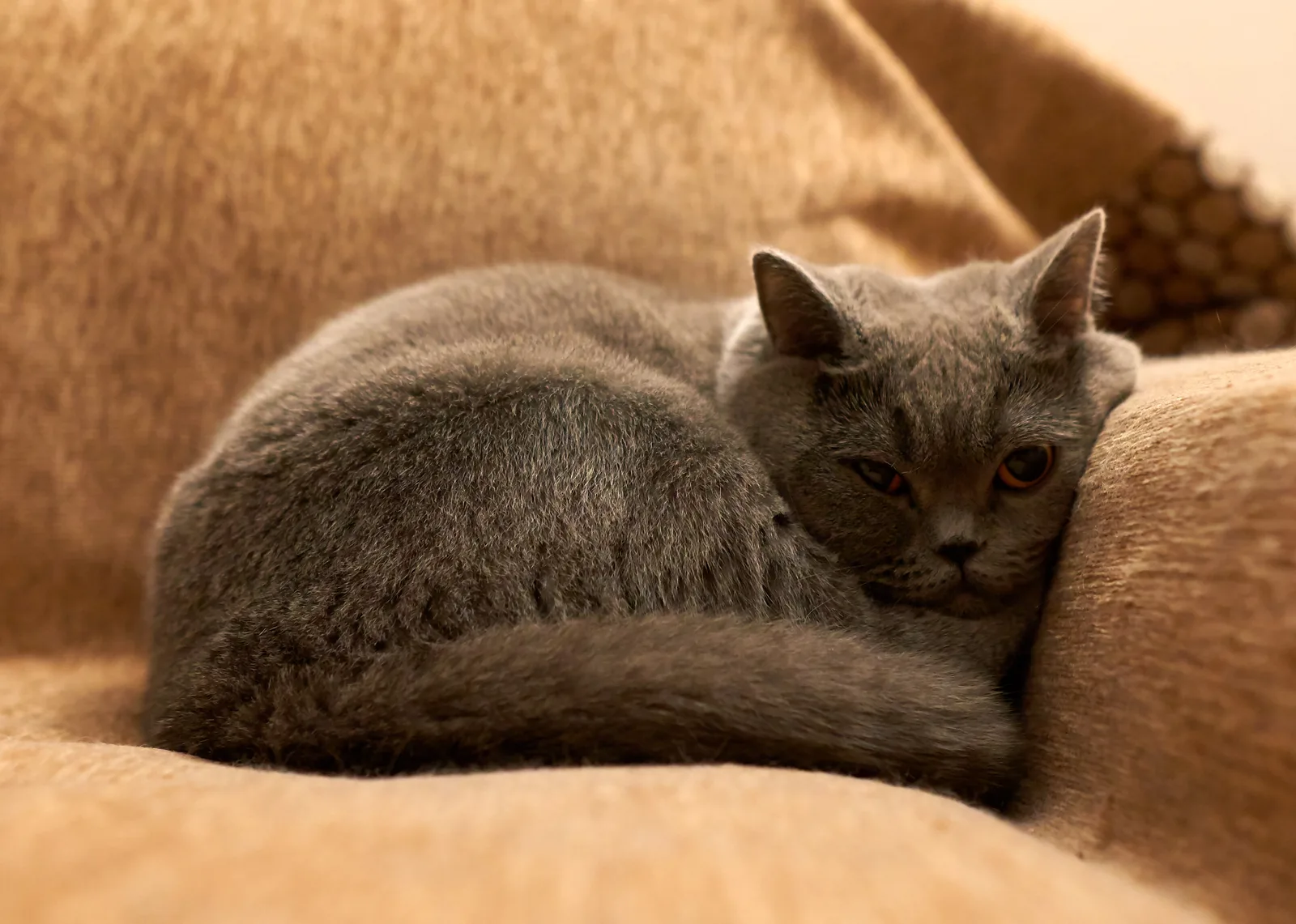
A cat’s eyes are normally clear, bright, and alert, so sudden redness or squinting quickly draws concern. Changes in sick cat eyes can stem from a wide array of underlying factors, including corneal scratches, conjunctivitis, viral infections like feline herpesvirus, foreign debris, or high blood pressure. Because eye conditions can progress rapidly, observant care is essential.
Key Signs to Monitor in Sick Cat Eyes
To help your vet pinpoint the issue, examine your cat in gentle, indirect light without touching the eyeball itself. Take note of these visible signs:
- Discharge Consistency: Note whether eye drainage is watery and clear, yellowish and thick, or crusting along the eyelid margins.
- Third Eyelid Visibility: Check if the inner membrane (nictitating membrane) remains elevated or covers part of one or both eyes.
- Squinting or Blepharospasm: Watch for frequent blinking, keeping one eye shut, or sensitivity to normal household lighting.
- Clarity and Pupil Symmetry: Check for cloudiness across the surface, corneal haziness, or unequal pupil sizes.
Practical Care and Veterinary Evaluation
While waiting for your appointment, prioritize calm and gentle management and avoid experimenting with products around the eye. If crusting gathers along the eyelids, you can note it for your clinic and keep handling gentle; do not touch the eyeball itself.
Keep your cat in a comfortable indoor room with softened lighting to prevent squinting and glare discomfort. Prepare a brief history of when the symptoms began and whether your cat has been rubbing their face against carpets or furniture. Because multiple ocular issues share similar visual signs, a licensed veterinarian should perform a thorough ophthalmic examination.
This article is general information, not a diagnosis; a licensed veterinarian can advise on your cat's individual situation.