

Sick Cat Coughing: How to Record the Pattern
Hearing a sick cat coughing can be startling. Discover practical ways to track coughing episodes, record helpful videos, and prepare for a vet visit.
Written by the SickCat Editorial Team · Updated Nov 5, 2026
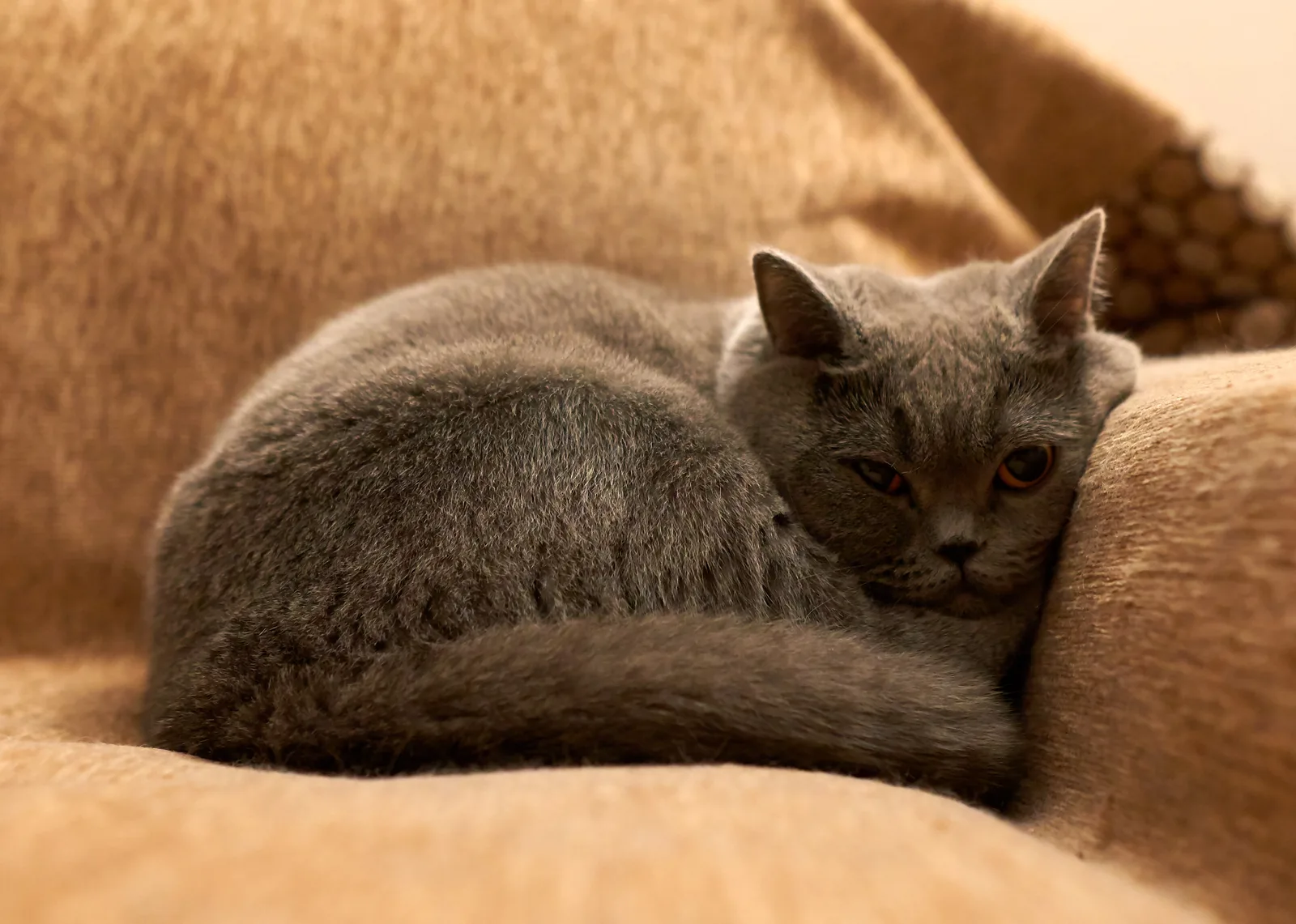
Watching a sick cat coughing can be distressing, especially because feline coughs are frequently confused with hairball retching or choking noises. When a cat coughs, they often crouch low to the ground with their neck extended forward. Because coughing can stem from asthma, respiratory infections, heart conditions, or airborne irritants, tracking the pattern is invaluable.
Documenting Patterns of a Sick Cat Coughing
Coughing episodes rarely happen on demand at a clinic, so detailed records help your veterinarian understand what is happening at home. Consider noting the following details:
- Body Posture: Record whether your cat hunches low with elbows tucked or extends their neck flat against the floor.
- Triggers and Timing: Note if episodes occur during rest, after active play, or following exposure to litter dust or perfumes.
- Episode Length: Track approximately how long each bout lasts and how quickly your cat recovers afterward.
- Associated Signs: Watch for wheezing sounds, lip smacking, swallowing motions, or lethargy once the coughing stops.
Supportive Care and Working with Your Vet
While you prepare for a consultation, maintain a serene space. Keep your cat away from cigarette smoke, aerosol sprays, and scented diffusers. If your cat uses a dusty clay substrate in their litter box (or litter tray), consider switching to a low-dust alternative to minimize airway irritation. Avoid attempting any home remedies or adjusting supplements without professional oversight.
Taking a clear video on your smartphone is one of the most effective tools you can provide. Show the footage to your vet along with your notes on appetite and daily routine. Because many feline respiratory issues share overlapping symptoms, professional diagnostic testing is necessary to determine the underlying reason.
This article is general information, not a diagnosis; a licensed veterinarian can advise on your cat's individual situation.