

Sick Cat Body Language: Small Changes to Watch
Learn how to recognize subtle sick cat body language early. Discover physical clues, gentle observation tips, and key questions to ask your veterinarian.
Written by the SickCat Editorial Team · Updated Nov 5, 2026
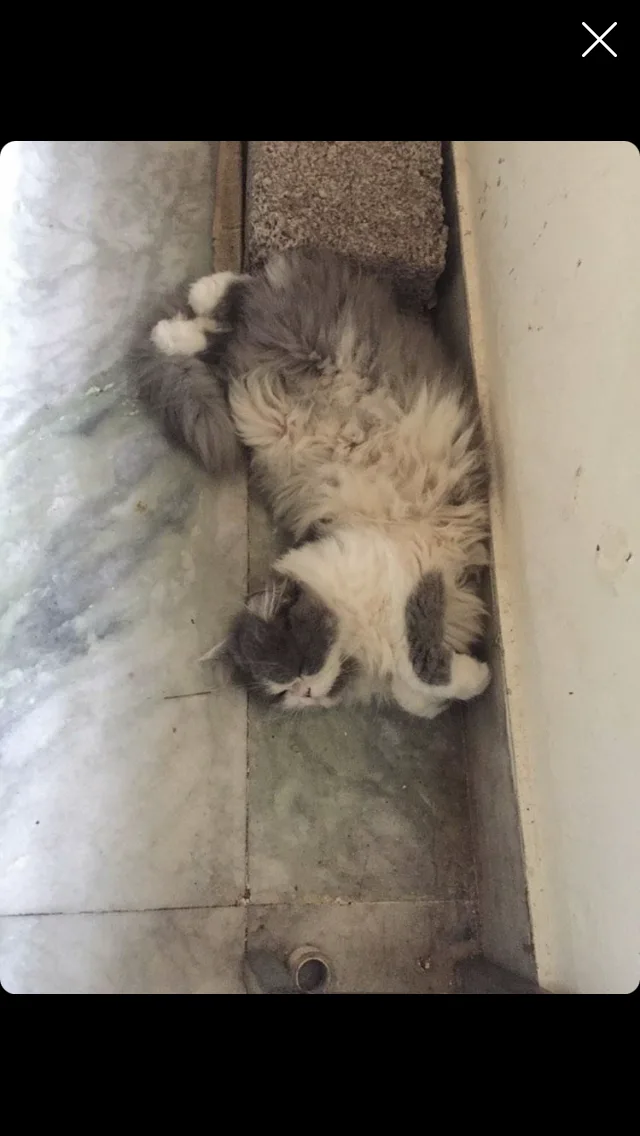
Cats are masters at hiding discomfort, so recognizing sick cat body language early is an essential part of caring for your feline friend. Because subtle physical posture and behavior shifts often signal an underlying issue before overt illness appears, attentive observation allows you to act thoughtfully and support your pet calmly.
Recognizing Sick Cat Body Language in Daily Life
Rather than waiting for obvious distress, monitor your cat during familiar routines like napping, grooming, and moving around the home. A cat experiencing malaise often adopts a hunched posture, keeping paws tucked tightly under the chest with the head lowered and eyes partially closed. The tail may stay clamped against the body, and ears might tilt sideways or back instead of swiveling toward household sounds.
Pay close attention to these everyday shifts:
- Hiding in secluded closets or unusual resting spots
- Changes in grooming habits, such as a dull coat or focused over-licking
- Reluctance to jump onto favorite perches or sofas
- Avoidance of the litter box (or litter tray) or hesitation when stepping in
Low-Stress Observation and Vet Preparation
Because similar postural changes can stem from many different physical or dental conditions, an accurate assessment requires professional evaluation. If you observe obvious breathing difficulty, sudden collapse, uncontrolled bleeding, or suspected poisoning, seek emergency veterinary attention immediately. Otherwise, avoid prodding your pet; create a quiet, dimly lit resting room to keep stress low.
Before calling your clinic, record useful details:
- How long the posture or hiding behavior has persisted
- Notable changes in water intake, appetite, or litter tray use
- Short video clips of gait changes or resting posture to show the clinic
This article is general information, not a diagnosis; a licensed veterinarian can advise on your cat's individual situation.