

How to Tell If My Cat Is Sick
Wondering how to tell if my cat is sick? Learn subtle behavioral clues, changes in habits, and practical notes to keep before calling your veterinarian.
Written by the SickCat Editorial Team · Updated Nov 5, 2026
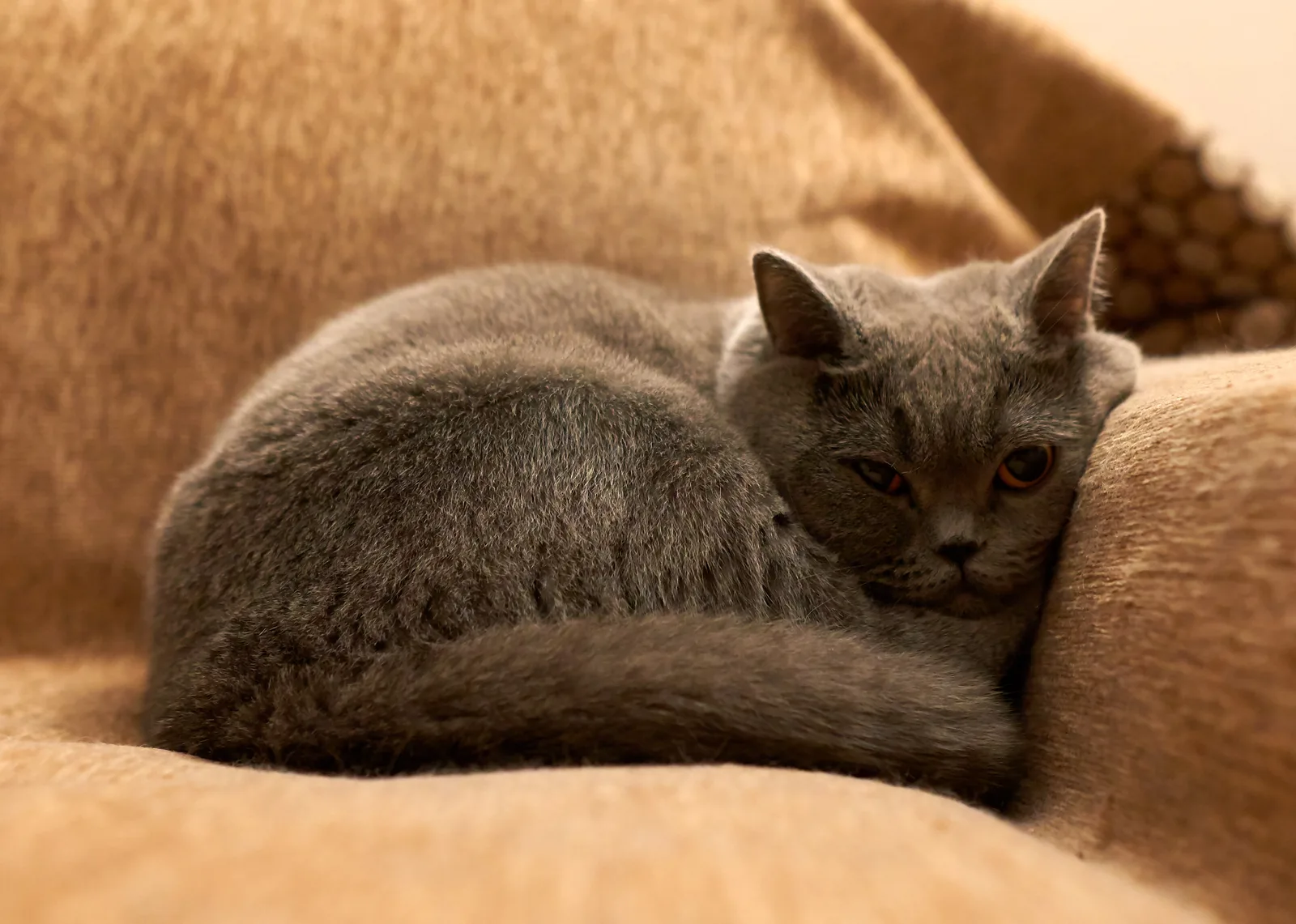
Many pet parents find themselves wondering how to tell if my cat is sick when something feels slightly off. Cats are masters at concealing illness as a natural survival instinct, so spotting health issues requires paying close attention to gradual changes in routine, posture, and personality.
How to Tell If My Cat Is Sick Through Behavior
Because cats cannot explain how they feel, their actions serve as their primary language. Common indicators to watch for include:
- Withdrawal from family members or unusually clingy behavior.
- Spending extended time resting in dark closets or under furniture.
- Hesitation before jumping onto favorite perches or beds.
- Less enthusiasm for playtime, interactive toys, or greeting you at the door.
- Changes in grooming frequency, leading to either matting or bald patches.
Gathering Details for Your Clinic Visit
Providing gentle, low-stress care while observing your cat helps prevent unnecessary anxiety. Offer a cozy blanket in a warm space and keep their litter box (or litter tray) nearby. Before calling your local vet clinic, jot down answers to these practical questions:
- What specific behavior prompted your concern today?
- Have eating or drinking amounts increased or decreased recently?
- Are there changes in stool consistency or urine frequency?
This article is general information, not a diagnosis; a licensed veterinarian can advise on your cat's individual situation.