

Cat Litter Care: A Clean, Low-Stress Setup
Discover essential cat litter care tips to create a clean, low-stress bathroom setup. Learn practical daily routines, box placement ideas, and care habits.
Written by the SickCat Editorial Team · Updated Nov 5, 2026
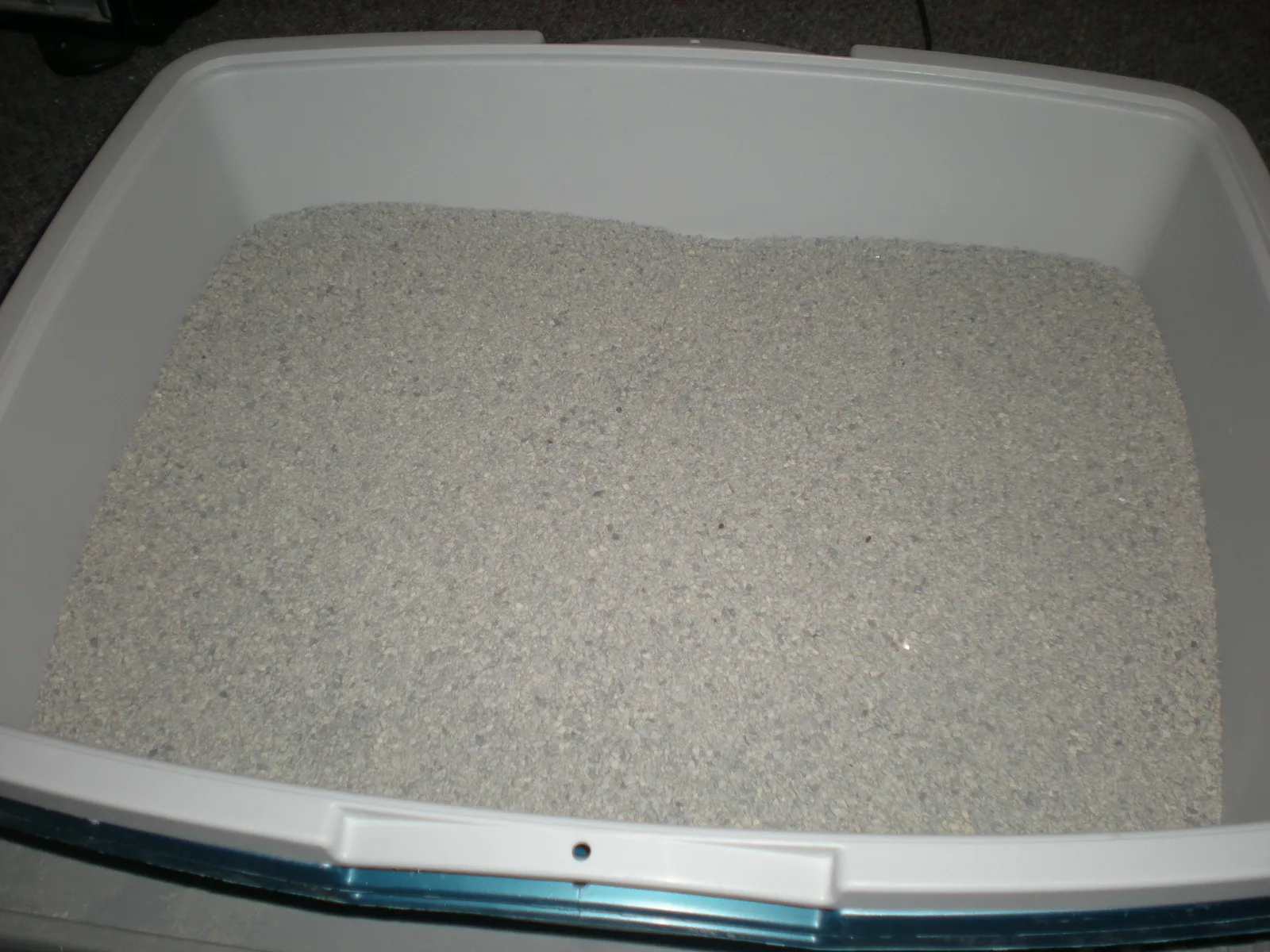
Thoughtful cat litter care is essential for maintaining household cleanliness and supporting your feline companion's physical and emotional comfort. In the wild, cats are naturally fastidious creatures who seek out soft, quiet spaces to eliminate. Setting up a dedicated bathroom area—often called a litter tray in the UK and Australia—gives your cat a private, predictable environment where they feel completely secure.
Fundamentals of Cat Litter Care
Creating a welcoming space requires paying attention to box dimensions, substrate preferences, and strategic placement. Cats generally dislike cramped quarters or enclosed spaces near loud appliances like washing machines or furnaces.
Consider this helpful setup checklist:
- Choose large, open-topped pans that allow comfortable turning around.
- Select an unscented, fine-grained litter that feels gentle on sensitive paws.
- Place boxes in accessible, low-traffic areas with clear escape routes.
- Keep litter stations positioned well away from feeding and resting spots.
Daily Habits and What to Track
A consistent maintenance routine prevents odor buildup and reduces the risk of toileting avoidance. While everyday upkeep keeps the setup fresh, monitoring bathroom habits also offers valuable insight into overall wellness. Changes in elimination patterns can arise from diverse factors, including territory disputes, changes in household routine, or physical discomfort.
When caring for the litter area, jot down notes on:
- Frequency of daily urination and bowel movements
- Any vocalization, straining, or reluctance to step inside the tray
- Noticeable changes in stool consistency or clump size
If you observe sudden distress or total inability to pass urine, seek immediate emergency veterinary assistance, as this requires urgent medical attention.
This article is general information, not a diagnosis; a licensed veterinarian can advise on your cat's individual situation.