

Senior Cat Care Tips for a Comfortable Routine
Support your aging feline with practical senior cat care tips for a comfortable routine, from accessible living spaces to gentle observations for vet visits.
Written by the SickCat Editorial Team · Updated Nov 5, 2026
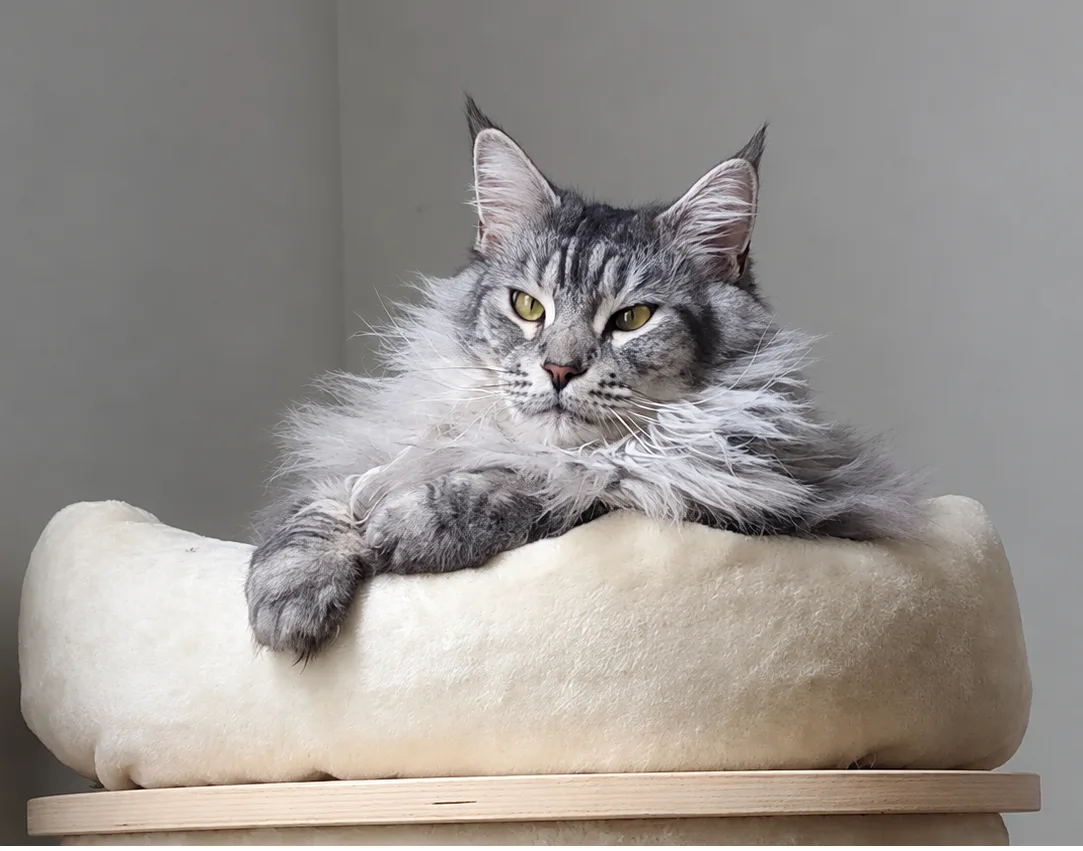
As cats enter their golden years, small adjustments in their daily environment can make a profound difference in their happiness and mobility. Implementing thoughtful senior cat care tips for a comfortable routine helps aging pets navigate physical changes with dignity and ease. Senior cats often experience gradual shifts in joint flexibility, vision, and sleep cycles, making predictable home surroundings and gentle routines especially comforting.
Senior Cat Care Tips for a Comfortable Routine
Modifying your home environment reduces daily strain and supports independent living for mature cats:
- Improve accessibility: Add pet ramps or soft steps near favorite resting spots, sofas, or beds to prevent uncomfortable jumping.
- Lower litter box edges: Choose low-entry litter trays so stiff joints do not hinder bathroom access, and place boxes on every household floor.
- Provide warmth and cushioning: Place orthotic or thermal bedding in quiet, draft-free corners to soothe tired joints and encourage restful sleep.
- Keep resources close: Group food, fresh water, and resting spots on the same level so your cat does not need to navigate stairs repeatedly.
Monitoring Health and Preparing for Vet Checkups
Observing subtle lifestyle shifts provides vital context for your veterinary team. Keep a brief log noting changes in mobility, grooming thoroughness, sleep patterns, or vocalizing in the dark. Bring these notes to routine checkups to discuss mobility support, dental health, and tailored wellness bloodwork.
Seek immediate emergency veterinary care if your cat shows alarming symptoms such as collapse, difficulty breathing, uncontrolled bleeding, or suspected poisoning. For general age-related changes, working alongside your veterinarian ensures a comforting, individualized care plan.
This article is general information, not a diagnosis; a licensed veterinarian can advise on your cat's individual situation.