

How to Prepare for a Cat Vet Visit
Learn how to prepare for a cat vet visit with low-stress carrier tips, behavioral notes, and important health questions to help your appointment go smoothly.
Written by the SickCat Editorial Team · Updated Nov 5, 2026
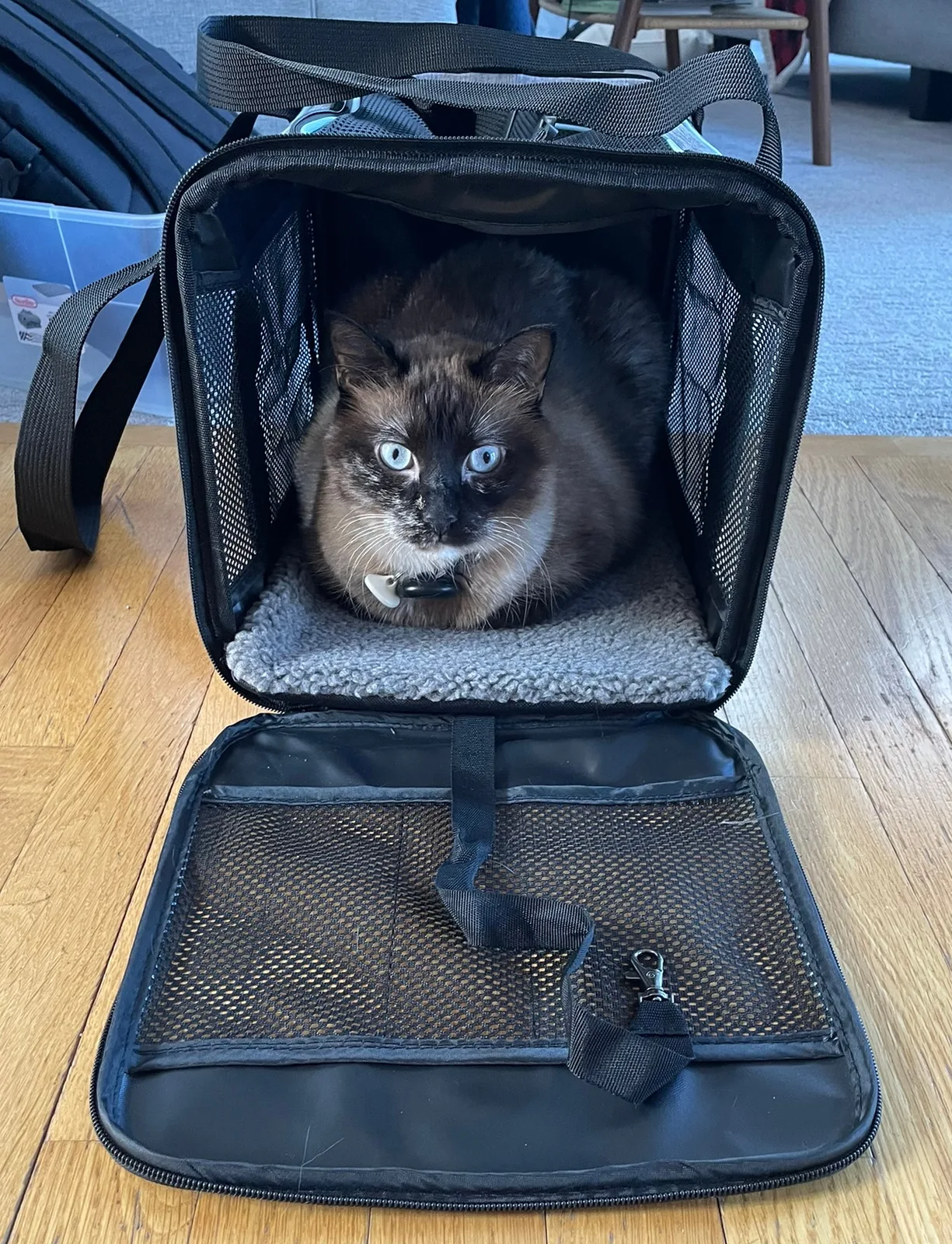
Many felines find clinic trips intimidating, but knowing how to prepare for a cat vet visit can transform a stressful ordeal into a calm, cooperative experience. Thoughtful planning reduces anxiety for both you and your cat, while ensuring your veterinary team receives thorough, accurate information about your pet's daily health.
How to Prepare for a Cat Vet Visit: Step-by-Step Checklist
Taking low-stress steps in the days leading up to an appointment helps your cat feel safe and secure:
- Acclimate the travel carrier: Leave the carrier open in a favorite living space days in advance, lined with a familiar blanket or worn t-shirt smelling of home.
- Apply calming comforts: Spray familiar pheromones on the bedding thirty minutes before departure, and drape a light towel over the carrier to block visual stressors.
- Secure vehicle transit: Place the carrier on the car floor behind the front seats or secure it firmly with a seatbelt to prevent sudden sliding.
- Pack sample collections: Bring fresh stool samples if requested by your vet, securely stored in a clean container.
- Manage appointment timing: Call ahead from the parking lot so you can transition directly into an exam room rather than waiting in a busy reception area.
Questions to Record and Health Observations
Prepare a written list of questions and observations before your visit. Record recent changes in litter box habits (or litter tray use), changes in water intake, appetite fluctuations, or subtle grooming shifts. Having these details written down prevents forgetting key points during the consultation. Because similar physical signs can stem from many different medical conditions, your veterinarian relies heavily on your home observations to guide their clinical exam.
Seek emergency veterinary care immediately if your cat ever exhibits urgent symptoms like obvious breathing difficulty, collapse, uncontrolled bleeding, or suspected poisoning.
This article is general information, not a diagnosis; a licensed veterinarian can advise on your cat's individual situation.