

Cat Care for Beginners: A First Month Plan
Follow this practical first month plan for beginner cat care, featuring low-stress transition steps, observation habits, and veterinary checkup preparation.
Written by the SickCat Editorial Team · Updated Nov 5, 2026
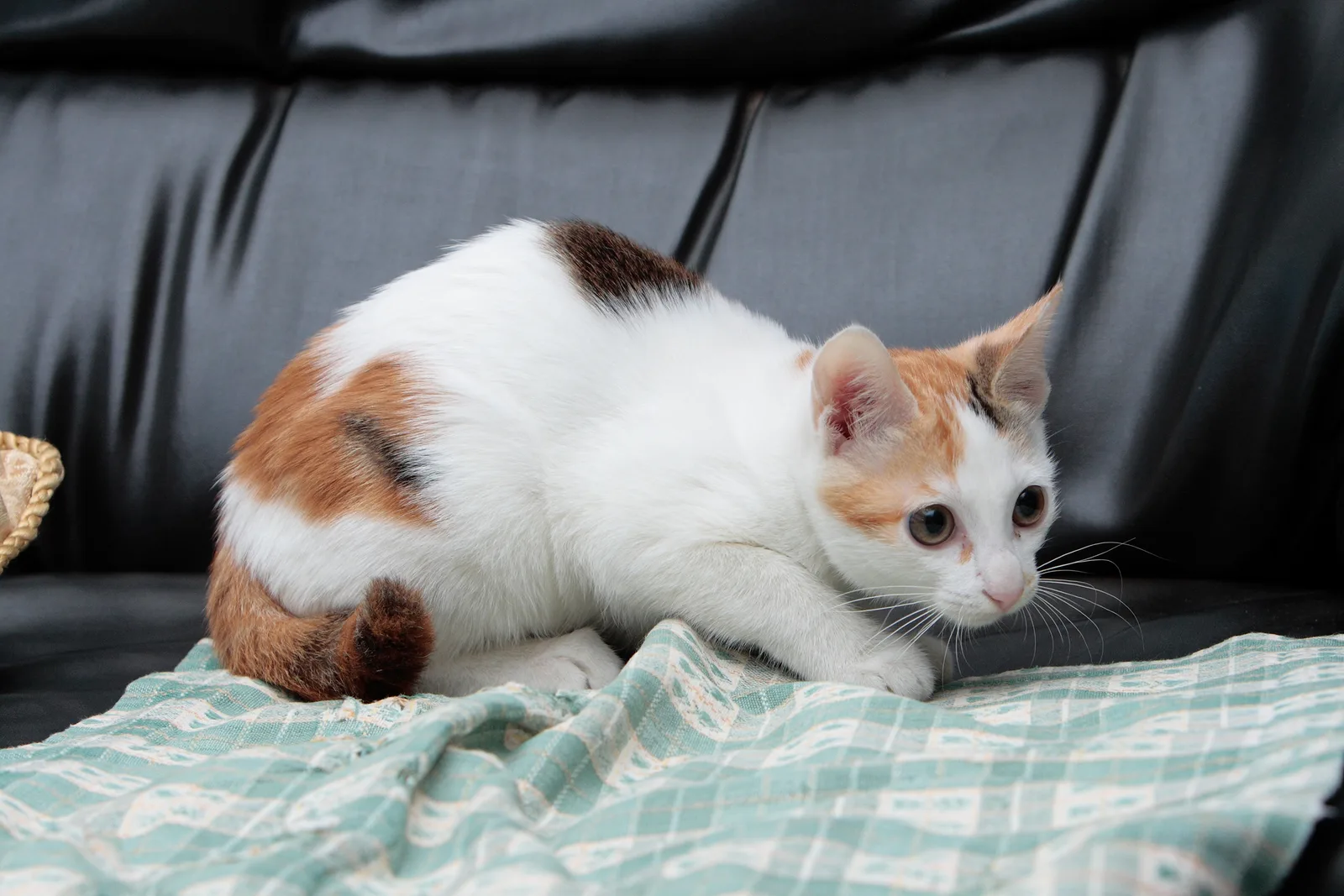
The first thirty days with a new pet lay the groundwork for a lifetime of trust, comfort, and good habits. Structuring your cat care for beginners into a clear first month plan reduces overwhelm for both you and your feline. Cats are sensitive to environmental disruption, so approaching their integration in steady, gradual stages encourages calm adaptation.
A First Month Plan for Cat Care Beginners
Focus on gradual acclimation rather than rushing immediate house-wide freedom. Use this weekly progression to guide your setup:
- Initial settling: Start your cat in a quiet sanctuary room with food, water, scratching pads, and a litter box.
- Expanding boundaries: Introduce additional rooms slowly while maintaining consistent feeding hours and familiar scents.
- Bonding and handling: Practice low-stress petting, gentle carrier desensitization, and short daily play sessions.
- Baseline monitoring: Observe daily grooming, vocalizations, appetite, and stool consistency to establish your cat's normal patterns.
Preparing for the First Veterinary Visit
A thorough checkup with a licensed veterinarian is essential during your companion’s initial month. Because varied conditions can cause overlapping behaviors like hiding or reluctance to eat, having organized records ensures your vet can evaluate your pet accurately.
Prepare these practical questions and notes for your clinic visit:
- What preventive wellness schedule fits my cat's life stage and lifestyle?
- How is my cat adjusting physically based on their weight and coat condition?
- Are there specific behavioral signals that indicate stress in our household?
Seek emergency veterinary help without delay for obvious breathing difficulty, collapse, uncontrolled bleeding, or suspected poisoning. This article is general information, not a diagnosis; a licensed veterinarian can advise on your cat's individual situation.