

Cat Grooming Tips for Long Hair
Discover effective cat grooming tips for long hair. Learn practical techniques to prevent matting, handle sensitive undercoats, and maintain a silky coat.
Written by the SickCat Editorial Team · Updated Nov 5, 2026
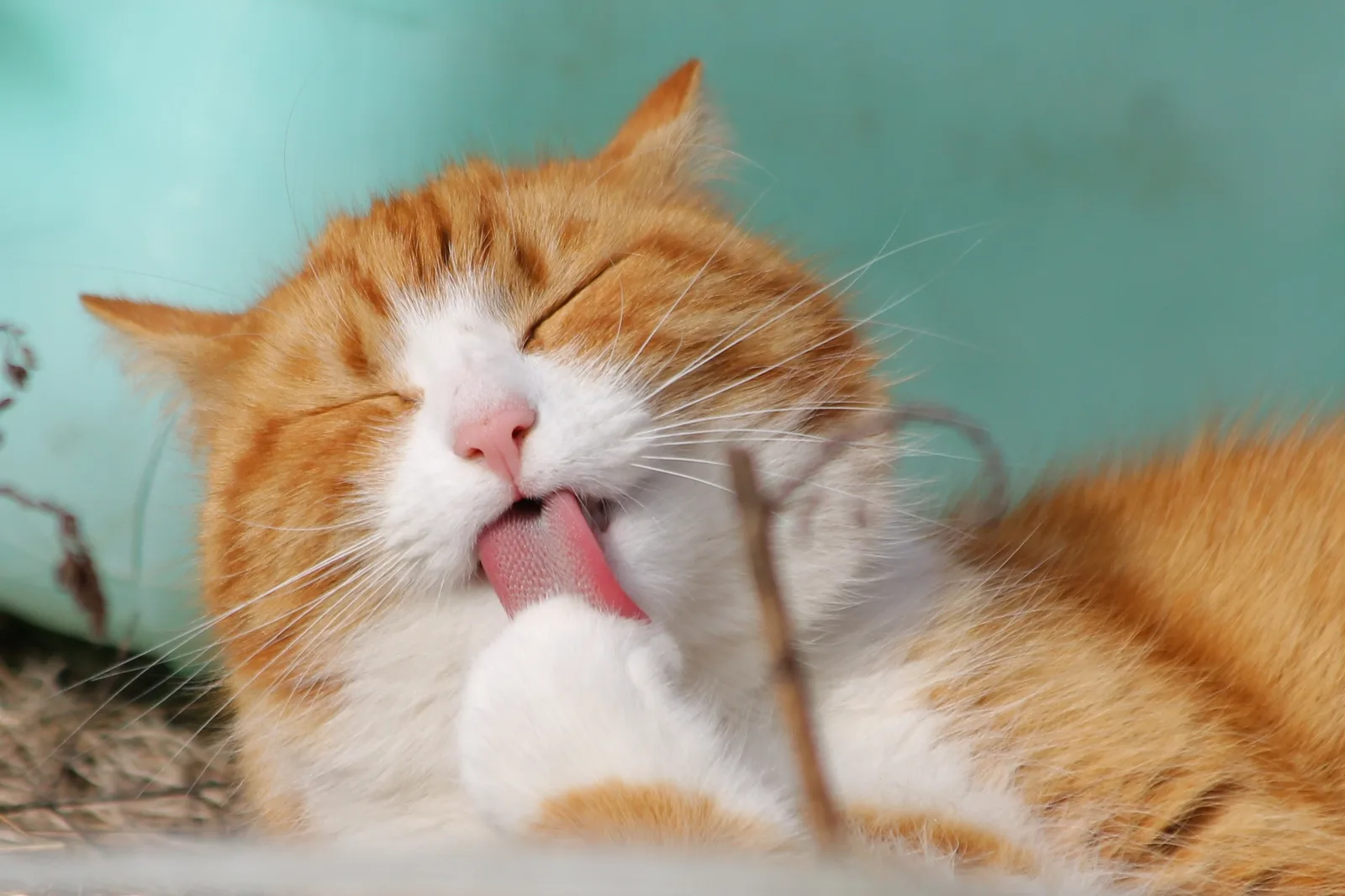
Caring for a Persian, Maine Coon, or domestic longhair requires consistent attention to prevent painful tangles. Understanding practical cat grooming tips for long hair allows pet parents to keep the coat flowing and healthy without turning brushing into an ordeal. Because long coats consist of both a topcoat and a dense undercoat, surface brushing alone is rarely enough.
Practical Cat Grooming Tips for Long Hair
A successful long-hair routine relies on the right tools and a layered approach. Metal wide-toothed combs, slicker brushes with protected tips, and undercoat rakes work best. Always handle high-friction zones—such as behind the ears, the armpits, the belly, and the hindquarters—with extra delicacy.
Low-stress maintenance steps:
- Separate fur into small sections and gently comb from the skin outward.
- Work through tangles starting at the tips before gradually moving closer to the base.
- Pause frequently to provide soothing strokes or treats so your cat remains calm.
- Schedule short five-minute grooming sessions daily rather than lengthy, stressful marathons.
- Never pull or tug hard against resistance, as feline skin is delicate and easily torn.
Everyday Observation and Veterinary Notes
Daily grooming sessions offer a clear window into your cat's overall well-being. Check the coat for moisture retention, foreign debris, and signs of flea activity or skin irritation. Underneath dense fur, weight loss or subtle lumps can easily go unnoticed without regular tactile inspection.
Questions and observations to record for your next vet visit:
- Is fur accumulating unevenly or becoming dry and brittle?
- Does your cat exhibit skin flaking, redness, or excessive self-grooming in specific zones?
- Are there tender areas where your cat refuses to be touched?
This article is general information, not a diagnosis; a licensed veterinarian can advise on your cat's individual situation.