

Cat Grooming Tips for Everyday Care
Discover stress-free cat grooming tips for everyday care. Learn gentle brushing techniques, claw maintenance routines, and what changes to note for your vet.
Written by the SickCat Editorial Team · Updated Nov 5, 2026
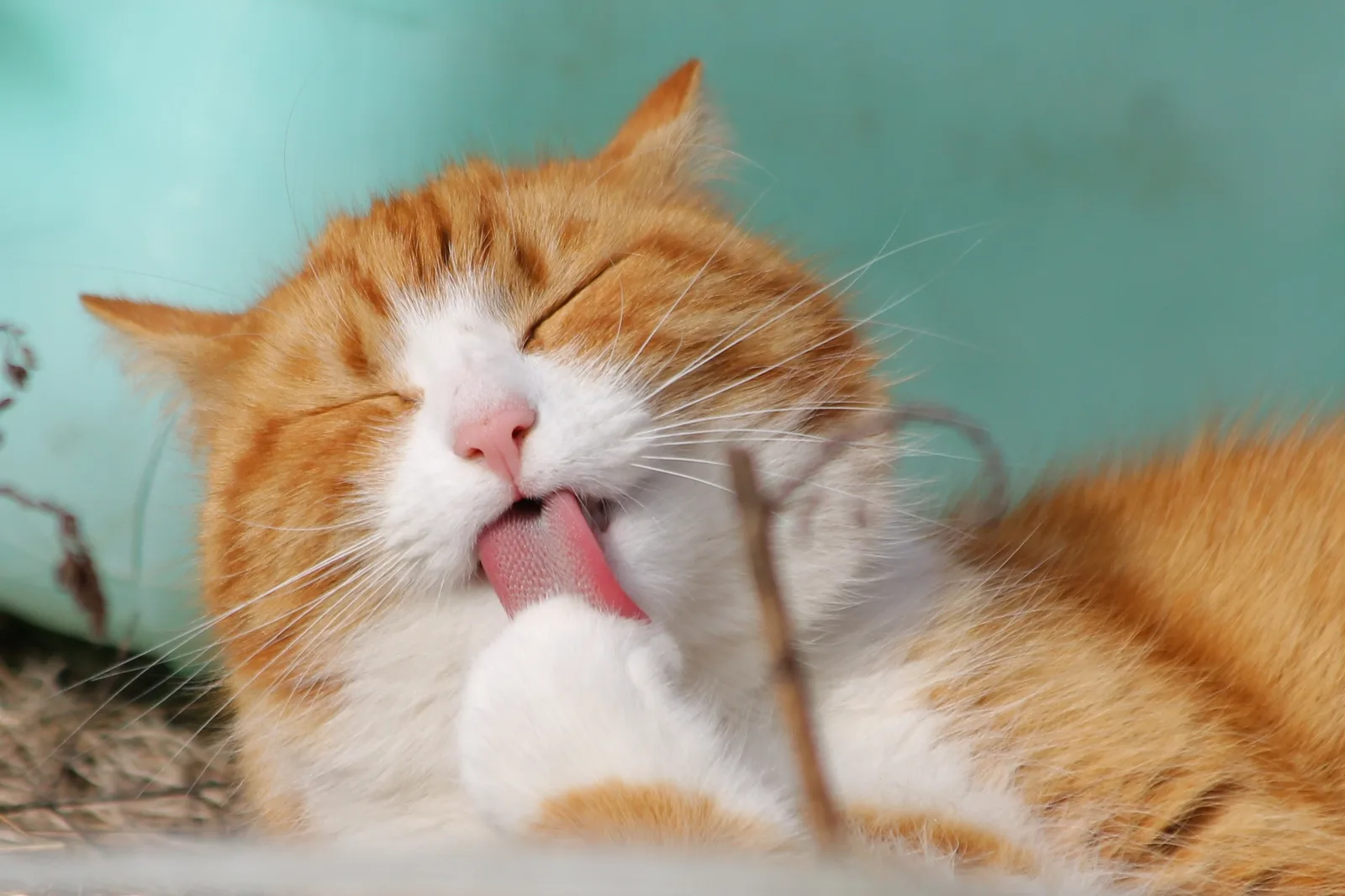
While cats are naturally meticulous self-groomers, incorporating gentle cat grooming tips into your routine supports their coat health and strengthens your relationship. Regular grooming reduces loose fur, limits hairballs, and provides a prime opportunity to inspect your cat's skin and coat without creating friction or fear.
Low-Stress Cat Grooming Tips for Home Maintenance
The key to successful at-home grooming is patience and keeping sessions short and positive.
- Introduce tools slowly: Let your cat sniff the brush or comb before touching them, pairing the tool with calm praise or a favored treat.
- Brush in natural directions: Follow the direction of fur growth, focusing gently on cheeks, chin, and back where cats naturally enjoy grooming touch.
- Keep sessions brief: Stop grooming well before your cat shows signs of irritation, such as skin twitching, tail swishing, or turning their head toward the brush.
- Check claws calmly: Inspect claws during relaxed resting periods, trimming only the sharp translucent tips while steering well clear of the pink quick.
What to Observe and Questions for Your Vet
Routine grooming sessions double as a physical health check. Keeping notes on subtle skin or coat variations helps you communicate clearly during regular checkups:
- Noticeable mats, dry flaking, or excessive shedding.
- Redness, bumps, or tender spots when gently stroking the body.
- Sudden over-grooming or bald patches, especially around the belly or legs.
- Any resistance or signs of sensitivity around paws or ears.
This article is general information, not a diagnosis; a licensed veterinarian can advise on your cat's individual situation.