

Cat Feeding Schedule for Wet and Dry Food
Learn how to build a balanced cat feeding schedule for wet and dry food. Discover practical meal timing tips, everyday observations, and low-stress routines.
Written by the SickCat Editorial Team · Updated Nov 5, 2026
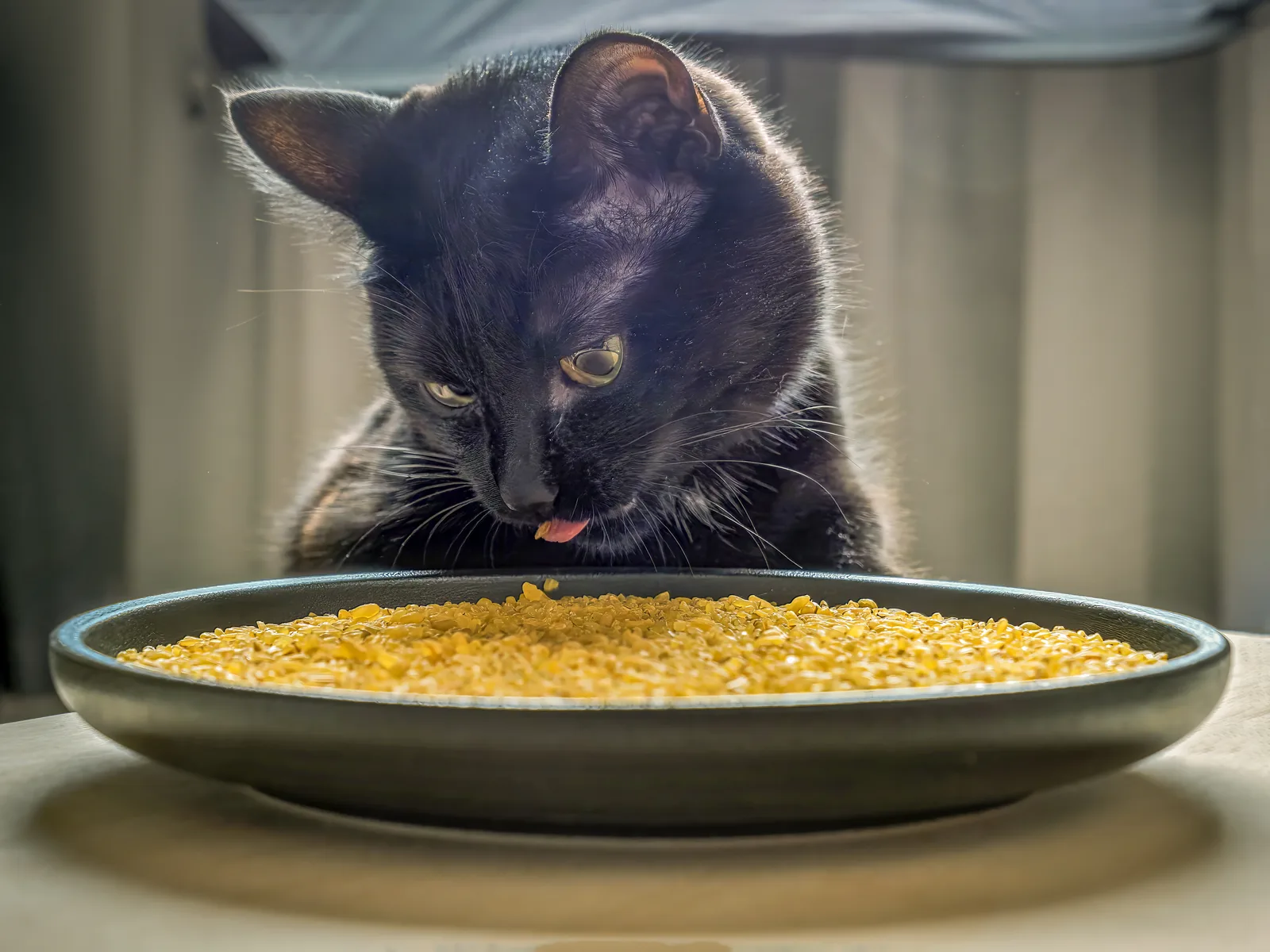
Establishing a reliable cat feeding schedule for wet and dry food helps your companion feel secure while supporting steady energy throughout the day. Many cat parents choose a combination feeding approach to combine the hydration benefits of canned wet food with the convenience of dry kibble. Planning predictable meal times can reduce begging behaviors and make it easier to notice subtle shifts in your cat's natural appetite.
Designing a Cat Feeding Schedule for Wet and Dry Food
Creating a harmonious routine involves matching your cat’s habits to your daily household schedule. Wet food works well for supervised morning and evening meals, while dry kibble can be offered in measured portions or placed inside interactive puzzle feeders during the middle of the day.
Keep these practical steps in mind when structuring mealtime:
- Offer canned wet food during active morning and evening windows.
- Use measured portions of dry food to avoid overfilling the bowl.
- Provide multiple clean fresh water dishes or fountains nearby.
- Keep food bowls in quiet areas away from busy household walkways.
Low-Stress Preparation and Observations
Cats value routine, so serving meals at roughly the same hours each day minimizes anticipation anxiety. Take time to observe how your pet interacts with different textures. Notice whether they prefer gravy over pate, or if they leave kibble uneaten. Sudden disinterest in food, persistent hesitation around the dish, or difficulty chewing can stem from several underlying factors, ranging from dental sensitivity to environmental stress.
Record your observations in a daily notebook:
- Which food textures your cat finishes eagerly
- Any hesitance, chewing on one side, or vocalizing near the bowl
- Daily water consumption and litter box output
This article is general information, not a diagnosis; a licensed veterinarian can advise on your cat's individual situation.