

Cat Feeding Schedule by Age
Understand how a cat feeding schedule by age adapts from playful kittenhood to mature senior years. Discover routine tips and healthy appetite observation.
Written by the SickCat Editorial Team · Updated Nov 5, 2026
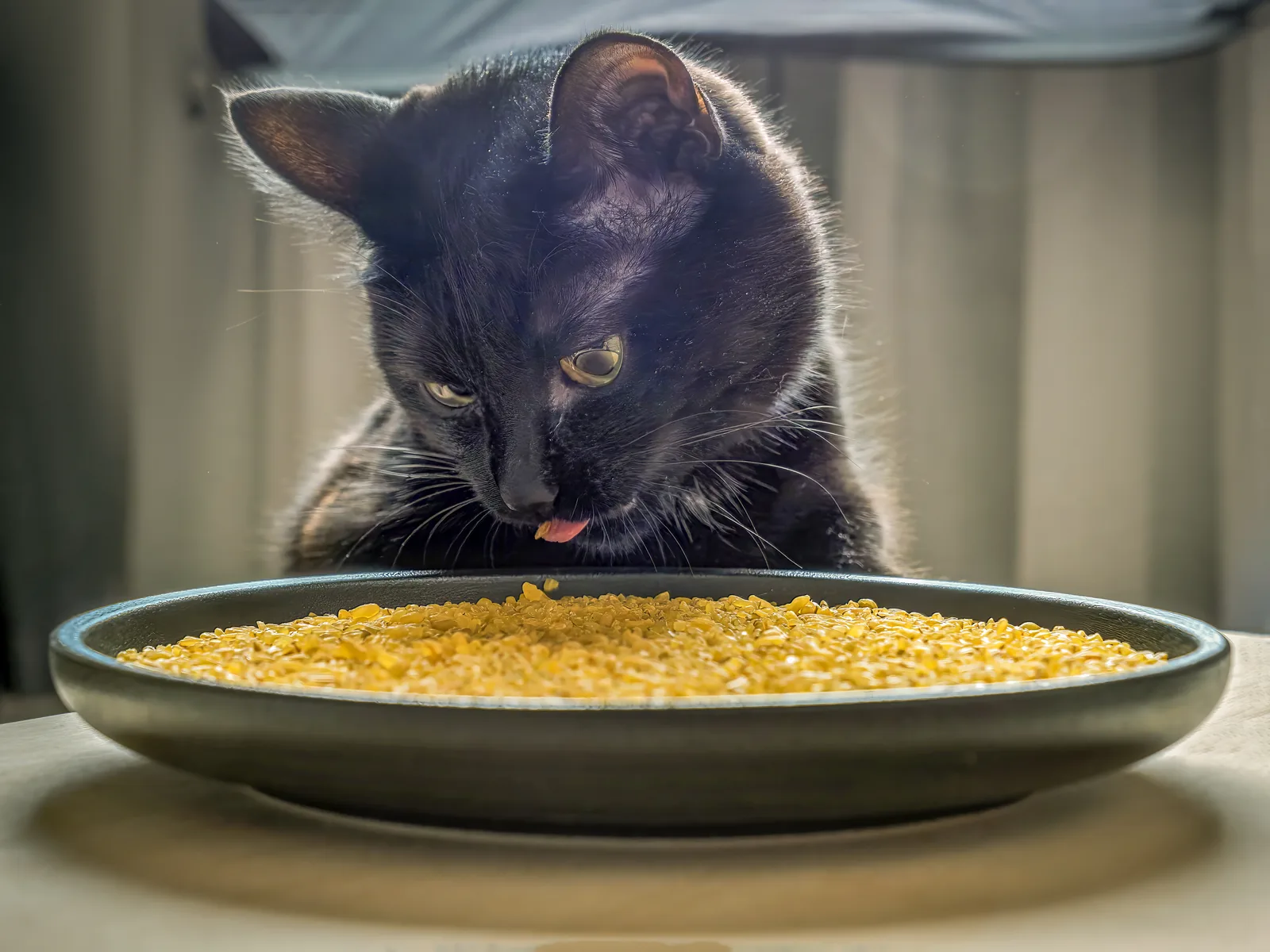
Nutritional demands and digestive capacities evolve across a cat’s lifetime. Structuring an appropriate cat feeding schedule by age ensures your feline companion receives sustained energy and comfort from energetic kittenhood into the golden senior years. Tailoring meal frequencies to life stages supports steady growth, ideal body weight, and long-term metabolic health.
Planning a Cat Feeding Schedule by Age
Different life stages call for adjustments in how often food is presented throughout the day:
- Kittens: Rapid development and tiny stomach capacities mean young kittens thrive on frequent, nutrient-dense meals offered several times daily.
- Adult Cats: Once reaching physical maturity, many cats do well with two to three measured meals daily to support energy balance and avoid weight gain.
- Senior Cats: Older companions often benefit from smaller, more digestible portions served in shallow, easily accessible dishes that reduce neck strain.
In all life stages, warming wet food slightly or adding warm water can enhance aromas and entice finicky eaters.
Mealtime Observation and Veterinary Checkpoints
Careful observation during meals is one of the easiest ways to spot early health shifts. Because nutritional needs change with activity levels, metabolic rate, and organ function, routine tracking keeps your cat thriving.
Points to observe and discuss at your next wellness visit:
- Gradual changes in body shape, muscle mass, or interest in mealtime
- Reluctance to eat dry biscuits, which may indicate dental discomfort
- Increased thirst or changes in water consumption around food bowls
- Digestive reactions such as regurgitation or softer stools after eating
Your veterinary team can evaluate your cat's body condition score and recommend precise dietary transitions for their current life stage.
This article is general information, not a diagnosis; a licensed veterinarian can advise on your cat's individual situation.