

Why Does My Cat Meow at Night?
Wondering why does my cat meow at night? Explore common nighttime vocalization triggers, environmental habits, and low-stress tips to support calm sleep.
Written by the SickCat Editorial Team · Updated Nov 5, 2026
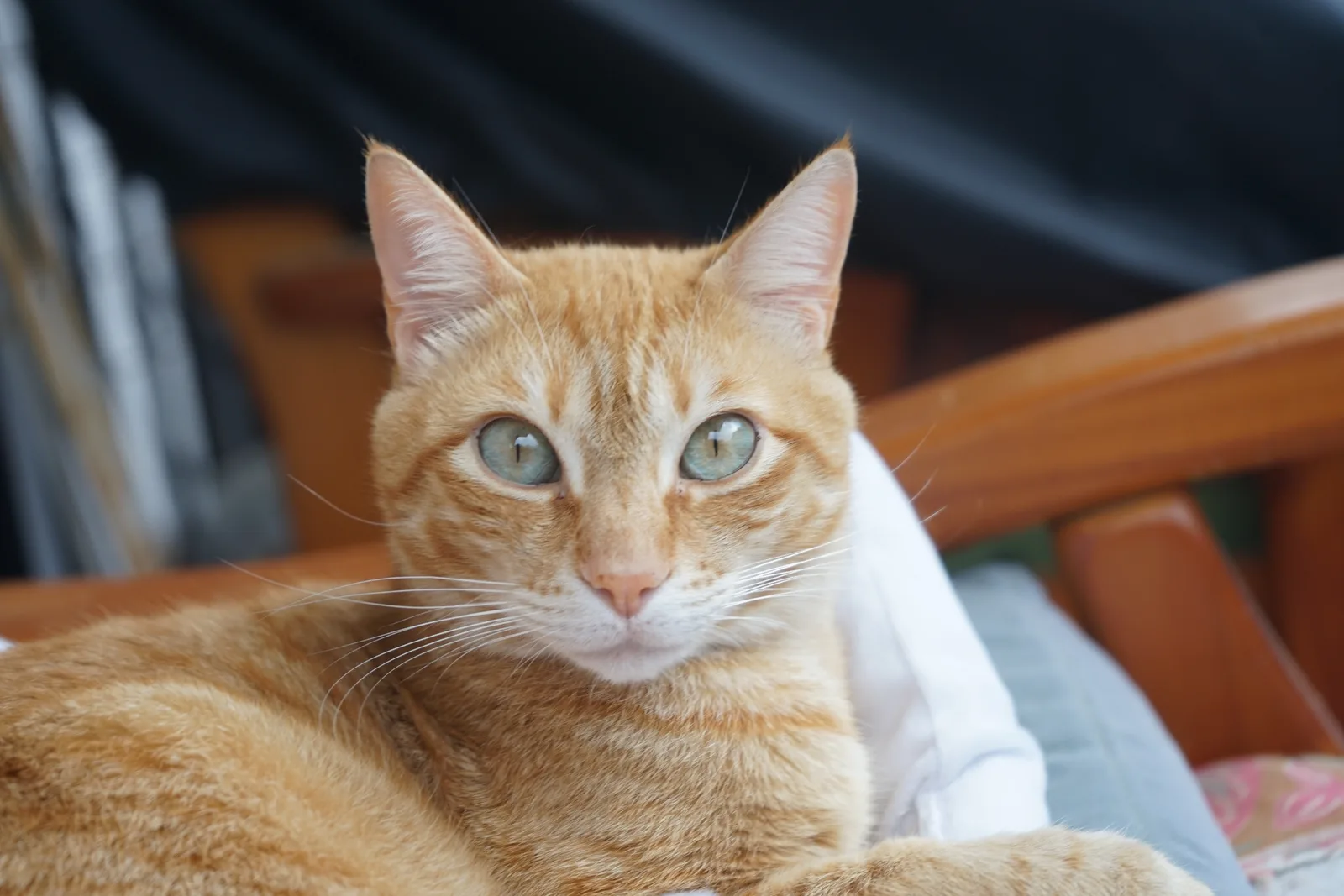
If you find yourself asking, "why does my cat meow at night?", you are not alone. Nighttime vocalizations can disrupt the entire household and leave pet parents searching for answers. Cats are naturally crepuscular—most active around dawn and dusk—which means nighttime restlessness, curiosity, or vocal seeking often stems from instinctual wakefulness or unsettled household dynamics.
Why Cats Meow at Night: Common Observations
Similar vocal signs can have many causes, ranging from simple boredom to underlying discomfort or age-related disorientation. Keeping a calm observational log helps clarify what might be prompting the behavior:
- Environmental changes: Shifts in furniture, new household members, or unfamiliar outdoor sounds can spark nocturnal distress.
- Resource access: Check whether the litter box (or litter tray), fresh water, or safe resting areas are easily accessible in the dark.
- Energy cycles: Cats that sleep all day often vocalize at night simply seeking interaction or stimulation.
- Sensory changes: Older cats experiencing altered vision or hearing may call out when navigating dimly lit rooms.
Low-Stress Home Management
Avoid punishing your cat or responding immediately with treats and high-energy attention, as this can inadvertently reinforce nighttime calling. Instead, establish a steady evening routine that includes interactive play followed by a light meal before bed. Ensure resting areas are comfortable, warm, and secure with dim nightlights if needed. Note down when the meowing started, whether it accompanies litter box difficulties, appetite shifts, or restless pacing, and share these observations with your veterinary clinic during your next appointment.
This article is general information, not a diagnosis; a licensed veterinarian can advise on your cat's individual situation.