

Signs of Stress in Cats
Learn how to recognize common signs of stress in cats, practical steps to create a calm home environment, and helpful observations to share with your vet.
Written by the SickCat Editorial Team · Updated Nov 5, 2026
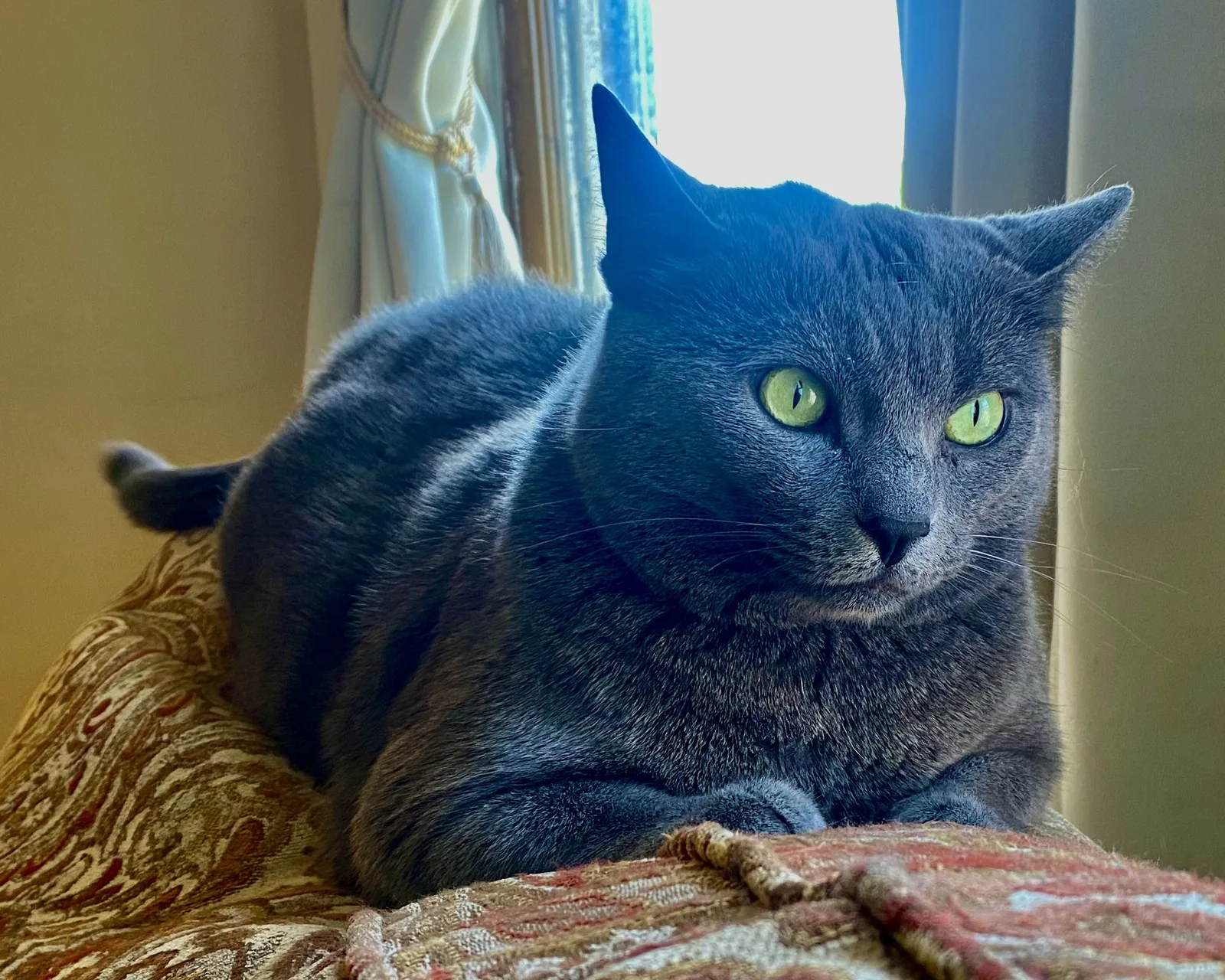
Cats are subtle communicators, so recognizing the signs of stress in cats often requires paying close attention to slight shifts in daily habits. Because stress responses can look remarkably like physical illness, understanding what your cat expresses through body language and routine is essential for maintaining their overall comfort.
Common Signs of Stress in Cats
Feline stress can develop after changes in the household, routine disruptions, or environmental noise. You might observe changes such as:
- Withdrawing to quiet corners or hiding under furniture
- Changes in appetite or grooming frequency
- Missing the litter box (or litter tray)
- Flattened ears, a twitching tail, or hyper-vigilance
- Restlessness or increased vocalization
Low-Stress Care and Preparation
Supporting a stressed cat begins with restoring predictability. Maintain consistent daily feeding and play routines. Provide elevated perches and quiet resting sanctuaries where your cat can retreat undisturbed. Ensure every pet in a multi-pet home has separate feeding zones to minimize social friction, and avoid forcing interactions when your cat seeks privacy. Keep essential resources in low-traffic, easily accessible areas.
Keep a simple log of when unusual behaviors started, any recent home changes, and specific triggers. Taking brief video clips can also help your veterinary care team understand your pet's perspective.
This article is general information, not a diagnosis; a licensed veterinarian can advise on your cat's individual situation.