

How to Support a Cat After a Companion Dies
Wondering how to support a cat after a companion dies? Learn comforting daily routines, behavior signs to monitor, and gentle ways to ease pet bereavement.
Written by the SickCat Editorial Team · Updated Nov 5, 2026
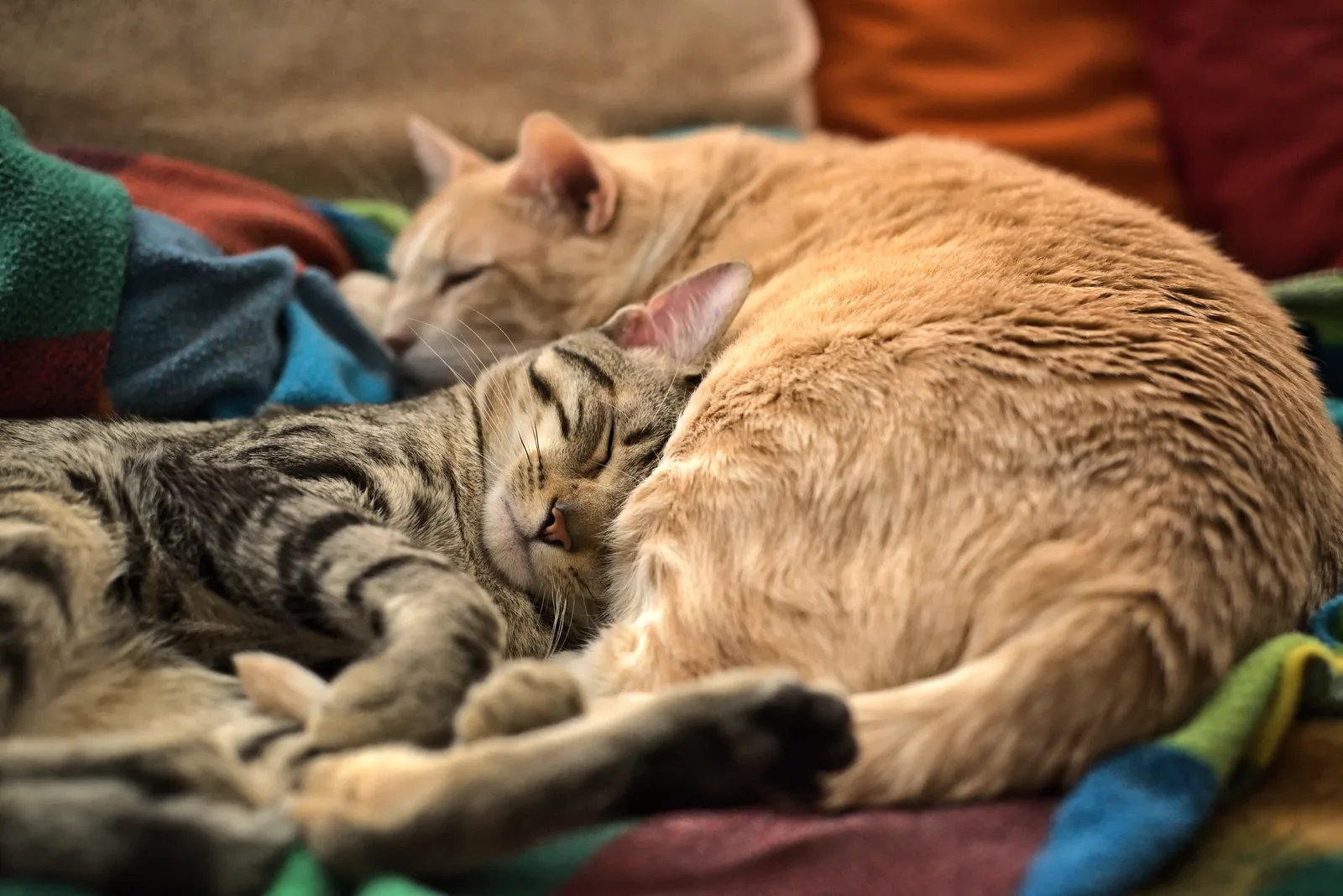
Understanding how to support a cat after a companion dies is an essential part of caring for surviving pets during household bereavement. Cats form deep social bonds and established territorial routines with fellow animal companions. When a bonded partner passes away, the remaining cat may exhibit behavioral changes reflecting confusion, grief, or an altered sense of security within their environment.
Signs to Monitor When Supporting a Grieving Cat
Cats experience loss differently, and their reactions can vary widely depending on their personality and relationship with the deceased companion:
- Vocalizing and searching: Your cat may wander through familiar rooms or resting spots while meowing plaintively.
- Appetite changes: Some cats show reduced interest in meals or eat more slowly than usual.
- Affection shifts: You might observe increased clinginess and desire for reassurance, or conversely, a preference for quiet withdrawal.
- Sleeping patterns: Changes in favorite sleeping spots or overall daily resting hours are common following a loss.
Low-Stress Comfort and Everyday Stability
Maintaining regular household routines provides crucial comfort and predictability during times of change. Keep feeding, grooming, and play schedules as consistent as possible. Provide extra gentle affection on your cat’s terms without forcing interactions. Leave blankets or bedding carrying familiar scents in place for a short transitional period if they appear soothing. Similar changes in appetite and energy can stem from medical issues as well as emotional stress, so maintain close observation. If your cat refuses food or shows significant behavioral withdrawal, discuss supportive care options with your veterinary clinic.
This article is general information, not a diagnosis; a licensed veterinarian can advise on your cat's individual situation.