

How to Help Find a Lost Indoor Cat
Discover how to help find a lost indoor cat with methodical search techniques, gentle luring strategies, and essential local neighborhood outreach steps.
Written by the SickCat Editorial Team · Updated Nov 5, 2026
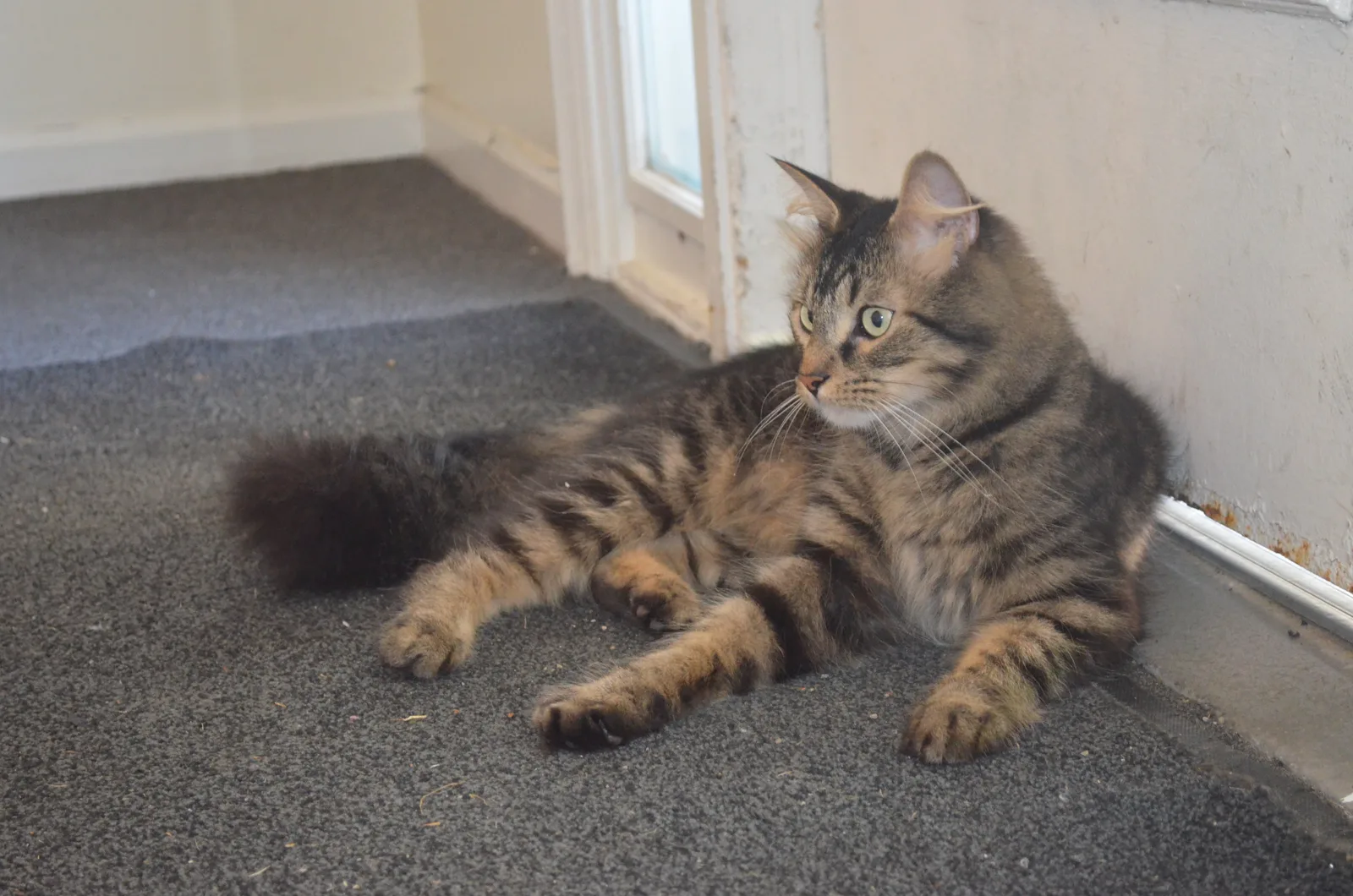
Learning how to help find a lost indoor cat requires prompt, calm, and methodical action. Indoor-only cats that slip outside often experience sensory overload. Instead of wandering far away, they usually freeze and seek concealment in tight, dark spaces very close to home. Understanding this natural instinct allows you to focus your initial search radius where your pet is most likely hiding.
Systematic Steps to Help Find a Lost Indoor Cat
Begin searching systematically, prioritizing quiet observation over loud, frantic calling that might frighten an already timid cat:
- Check immediate hiding spots: Thoroughly search under porches, inside sheds, beneath parked vehicles, and behind dense bushes within a short distance of the door.
- Search during quiet hours: Late evening, dawn, or nighttime are ideal times to walk the perimeter with a flashlight, scanning for the reflective glow of feline eyes.
- Set out familiar scents: Place a familiar blanket, worn clothing, or their uncleaned bedding near your entrance to create a welcoming scent trail.
- Notify local resources: Contact local shelters, rescue groups, veterinary clinics, and neighbors, providing clear photos and microchip details.
Low-Stress Containment and Recovery
When you spot your cat, avoid running or lunging toward them. Speak in a gentle, reassuring voice and sit down quietly on the ground to appear non-threatening. Place strongly scented food nearby and allow your cat time to emerge voluntarily. Once your cat is safely indoors, place them in a quiet, confined room to decompress. Carefully check for scratches, tick bites, or signs of shock or distress, and schedule an evaluation with your local vet to ensure they remain healthy after their outdoor adventure.
This article is general information, not a diagnosis; a licensed veterinarian can advise on your cat's individual situation.