

Does My Indoor Cat Really Need the Rabies Vaccine
Medically Reviewed by Dr. Elena Rossi, DVM, DABVP, Feline Wellness & Preventative Care Expert
Written by the SickCat Editorial Team · Updated Apr 15, 2026
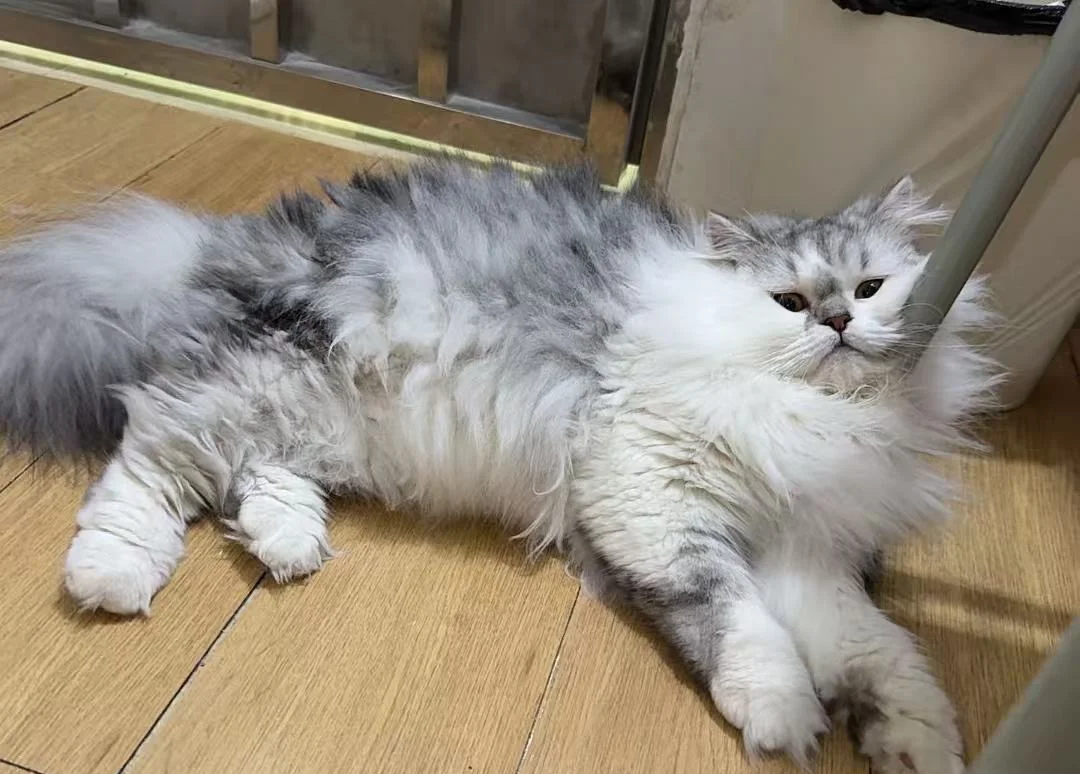
The rabies vaccine is one of the most controversial topics among indoor cat owners. Many believe their cats never go outside, so they don’t need this vaccination. However, the reality is more complex. Understanding why the rabies vaccine matters—even for strictly indoor cats—is essential for protecting both your pet and your family.
Understanding Rabies
Rabies is a viral disease that attacks the central nervous system of mammals, including cats, dogs, and humans. Once symptoms appear, rabies is almost universally fatal. The virus is usually transmitted through the saliva of an infected animal, typically via a bite wound. However, any contact with saliva from an infected animal—including through scratches or open wounds—can potentially transmit the disease.
Why Indoor Cats Are Not Completely Protected
The Great Escape: Cats are curious creatures. Even the most devoted indoor cat may find an open door or window and bolt outside. An unvaccinated cat that escapes, even briefly, faces potential exposure to rabid wildlife.
Wildlife Encounters: Rabies is commonly found in wild animals including bats, raccoons, skunks, and foxes. These animals can enter homes through chimneys, attics, basement windows, or damaged screens. A curious indoor cat could encounter an infected bat inside your own home.
Unvaccinated Visitor Cats: If you foster cats, work with rescue organizations, or occasionally have other people’s cats in your home, unvaccinated resident cats face exposure risk.
Human Carriers: The rabies virus can be transmitted indirectly. You could unknowingly carry saliva from an infected animal into your home on your clothing, shoes, or hands.
Legal Liability: In many regions, rabies vaccination is required by law for all cats, regardless of their lifestyle. Failing to vaccinate your indoor cat could result in legal consequences, especially if an exposure incident occurs.
The Stakes Are High
Unlike many other diseases, rabies in cats presents several unique concerns:
Human Safety: Rabies is zoonotic, meaning it can be transmitted from animals to humans. If your unvaccinated cat bites someone—even a family member—and the cat cannot be confirmed rabies-free, the situation becomes a serious legal and public health matter.
Post-Exposure Protocols: When an unvaccinated animal is potentially exposed to rabies, strict protocols follow. The animal may need to be quarantined or, in some cases, tested for the virus. This is stressful, expensive, and heartbreaking for families.
Fatal Outcome: By the time rabies symptoms appear in a cat, the disease has almost always progressed too far for treatment. Vaccination is the only reliable protection.
Types of Rabies Vaccines for Cats
One-Year Rabies Vaccines: These must be administered annually. Some cats may have stronger reactions to these vaccines.
Three-Year Rabies Vaccines: These provide protection for three years after initial vaccination and booster. Many veterinarians prefer these for reduced vaccine frequency.
Non-Adjuvanted Vaccines: These vaccines are designed to minimize vaccine reactions and are often recommended for cats, especially those with previous sensitivity.
Common Concerns About Rabies Vaccines
Vaccine Safety: Modern rabies vaccines for cats are generally very safe. While any vaccine carries a small risk of reaction, the benefits of rabies protection far outweigh the risks. Serious reactions are extremely rare.
Over-Vaccination: Some cat owners worry about over-vaccinating their pets. Discuss with your veterinarian whether a one-year or three-year vaccine is more appropriate for your cat’s situation.
Cost: While rabies vaccines do have a cost, they are relatively inexpensive compared to the potential expenses of quarantine protocols, legal fees, or—worst case—the loss of a beloved pet.
What to Discuss with Your Veterinarian
When talking to your veterinarian about the rabies vaccine, consider asking:
- What type of rabies vaccine do you recommend for my cat?
- What is the vaccination schedule in our area?
- Does my cat have any health conditions that affect vaccination?
- What signs of vaccine reaction should I watch for?
If Your Cat Has Never Been Vaccinated
If your indoor cat has missed rabies vaccinations, it’s not too late to protect them. Your veterinarian can develop an appropriate vaccination plan based on your cat’s age and health status. Kittens typically receive their first rabies vaccine around 12-16 weeks of age.
Note: If you have questions or concerns about the rabies vaccine for your indoor cat, please consult your veterinarian. They can provide guidance based on your cat’s individual needs, your local laws, and the specific rabies risk in your area. Your veterinary team is your best resource for making informed decisions about your cat’s health and safety.