

Can Indoor Cats Skip Vaccination
Medically Reviewed by Dr. Elena Rossi, DVM, DABVP, Feline Wellness & Preventative Care Expert
Written by the SickCat Editorial Team · Updated Apr 15, 2026
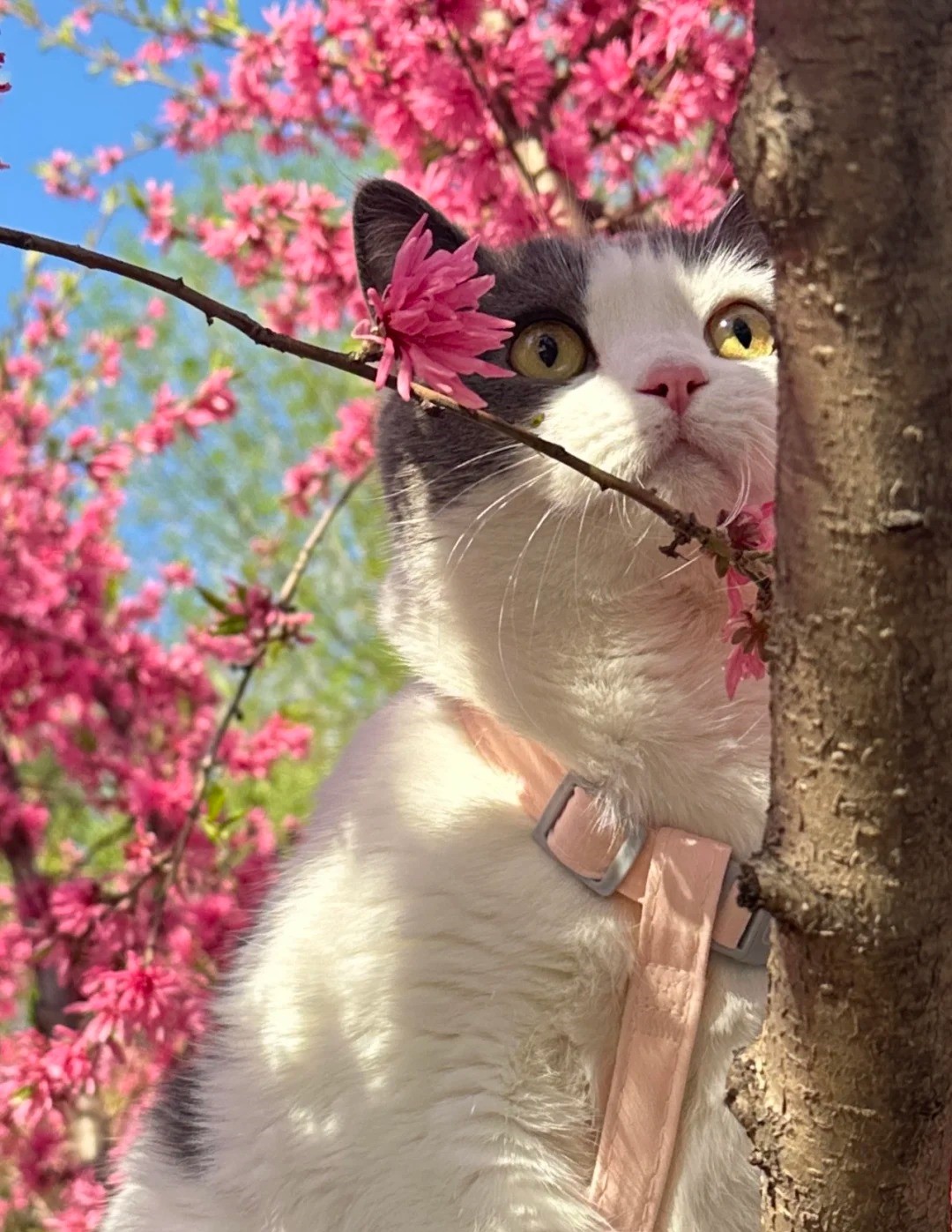
Many cat owners believe that because their feline friend lives entirely indoors, vaccination is unnecessary. However, this common belief can put indoor cats at risk. Understanding the importance of vaccination for all cats—even those who never venture outside—helps ensure your pet lives a long, healthy life.
he Truth About Indoor Cats and Vaccination
Indoor cats may seem protected from many dangers, but vaccines remain an essential part of their healthcare. Protection goes beyond just preventing outdoor exposure to diseases.
Why Indoor Cats Still Need Vaccines
Unpredictable Escapes: Even the most careful cat owners can experience an accidental door dash. A cat that slips outside—even briefly—may encounter unvaccinated animals or contaminated environments without any protection.
Veterinary Visits: Regular vet appointments require your cat to be in an environment where sick animals may have been. Waiting rooms and exam rooms can harbor pathogens, especially if disinfection protocols are not perfect.
Other Pets: If you have multiple pets or if new animals enter your home, unvaccinated cats are vulnerable. This includes foster animals, newly adopted pets, or visiting animals from other households.
Wildlife Exposure: Rodents and insects can enter homes, potentially carrying diseases into your cat’s environment. Bats, for example, can get into houses and expose pets to rabies.
Airborne Transmission: Some diseases, like feline leukemia virus (FeLV), can spread through saliva, urine, and feces. These can be tracked into the home on shoes, clothing, or through screen doors and windows.
Legal Requirements: Rabies vaccination is required by law in many regions, regardless of whether a cat lives indoors. This protects public health in case of any exposure, no matter how unlikely it seems.
Core Vaccines vs. Non-Core Vaccines
Core Vaccines are recommended for all cats because the diseases they prevent are widespread, serious, or transmissible to humans:
- Rabies: Fatal and transmissible to humans; often legally required
- Feline Panleukopenia (FVRCP): Also called feline distemper; highly contagious and often fatal
- Feline Herpesvirus (FVRCP): Causes upper respiratory infections
- Feline Calicivirus (FVRCP): Another common cause of upper respiratory disease
Non-Core Vaccines are given based on a cat’s specific risk factors:
- Feline Leukemia Virus (FeLV): Recommended for kittens and cats that may go outdoors or live with FeLV-positive cats
- Feline Immunodeficiency Virus (FIV): May be considered for outdoor cats
- Bordetella: Recommended for cats that visit groomers, boarding facilities, or shelters
The Vaccination Schedule
Kittens: Kittens receive their first vaccines at around 6-8 weeks of age, with booster shots every 3-4 weeks until they reach 16 weeks old. This early series builds their immunity while their mother’s antibodies fade.
Adult Cats: After the initial kitten series, cats need booster vaccines. The schedule depends on the vaccine type:
- Rabies boosters are required annually or every three years, depending on the vaccine used and local laws
- Core vaccines (FVRCP) are typically given every three years for adult cats after their initial series
- Non-core vaccines are given annually based on risk assessment
Senior Cats: Older cats continue to need certain vaccinations throughout their lives. Your veterinarian can recommend an appropriate schedule based on your cat’s health and lifestyle.
Herd Immunity and Community Protection
When a high percentage of cats in a community are vaccinated, it creates “herd immunity.” This protects vulnerable cats who cannot be vaccinated due to age or health conditions. By keeping your indoor cat vaccinated, you contribute to the overall health of the cat population in your area.
What Happens If You Skip Vaccination?
Unvaccinated cats face serious risks:
- Feline Panleukopenia: This disease has a high mortality rate and can survive in the environment for over a year.
- Rabies: Fatal to cats and transmissible to humans; even indoor cats can be exposed through wildlife encounters.
- Upper Respiratory Infections: While often not fatal, these illnesses cause significant discomfort and may require treatment.
- FeLV: Can cause cancer, immune deficiency, and death; cats can carry and spread it without showing symptoms.
Discussing Vaccination with Your Veterinarian
Every cat’s needs are different. Your veterinarian will consider factors such as:
- Your cat’s age and health status
- Whether other pets live in your household
- Your cat’s potential exposure risks
- Local laws and requirements
- Your region’s prevalence of certain diseases
This personalized approach ensures your indoor cat receives appropriate protection without unnecessary vaccines.
Note: If your cat has never been vaccinated or has missed scheduled vaccinations, please consult your veterinarian. They can assess your cat’s situation and recommend an appropriate catch-up vaccination plan. Regular veterinary care is essential for maintaining your cat’s health and well-being.