

What Should I Expect When My Cat Needs Surgery
Medically Reviewed by Dr. Marcus Thorne, BVSc, Veterinary Behaviorist
Written by the SickCat Editorial Team · Updated Apr 15, 2026
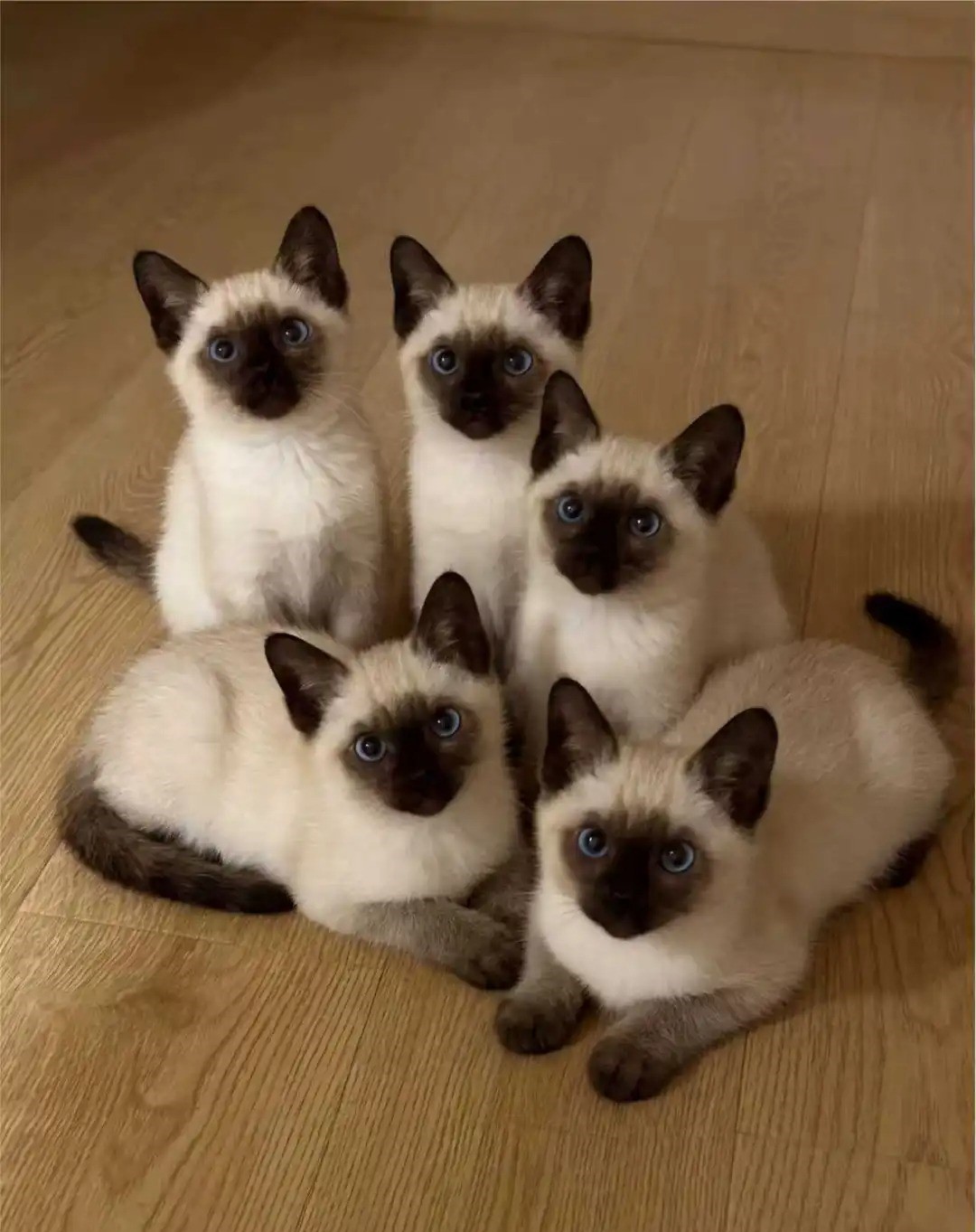
Surgery can be a stressful experience for both cats and their owners. Knowing what to expect helps ease anxiety and ensures you can provide the best care for your feline companion during this time.
Types of Cat Surgery
Cat surgeries fall into two main categories:
Elective (Scheduled) Surgery: These are planned procedures, such as spaying, neutering, or dental cleaning. You typically schedule these in advance and have time to prepare.
Emergency Surgery: These occur unexpectedly due to accidents, sudden illness, or complications. While stressful, your veterinary team is trained to handle these situations efficiently.
Before Surgery: Preparation and Pre-Operative Assessment
Before any surgery, your veterinarian will likely recommend several steps:
Physical Examination: The vet will check your cat’s overall health, heart, lungs, and eyes to ensure they are fit for surgery.
Blood Work: Pre-anesthetic blood tests evaluate organ function and help identify any hidden conditions that could complicate surgery or anesthesia.
Fasting: You will usually be asked to withhold food for 8-12 hours before surgery to prevent vomiting during anesthesia.
Medication Review: Inform your vet about any medications or supplements your cat is taking, as some may need to be paused before the procedure.
The Day of Surgery
On the day of the procedure, here’s what typically happens:
1.1.Admission: You will check in your cat at the veterinary clinic. The staff will review paperwork and answer any final questions.
2.2.Pre-Medication: Your cat may receive a sedative to relax and prepare for anesthesia.
3.3.Anesthesia: General anesthesia is commonly used to keep your cat unconscious and pain-free during surgery. Your vet will explain the anesthesia plan tailored to your cat’s needs.
4.4.Monitoring: Throughout the procedure, trained staff monitor your cat’s vital signs, including heart rate, breathing, and oxygen levels.
5.5.The Surgery: The actual procedure time varies depending on the type of surgery being performed.
6.6.Recovery: After surgery, your cat is moved to a quiet recovery area where trained staff watch closely as they wake up from anesthesia.
After Surgery: At-Home Care
Once your cat comes home, you play a crucial role in their recovery:
Rest and Confinement: Create a quiet, comfortable space where your cat can rest without jumping or running. Confining them to one room may be necessary.
Incision Care: Monitor the surgical site daily for redness, swelling, discharge, or opening of the wound. Keep the area clean and dry.
Prevent Licking: Your cat may try to lick or chew at the incision. An Elizabethan collar (cone) can prevent this behavior and promote healing.
Pain Management: Your vet may prescribe pain medication. Follow the instructions carefully and never give human pain medications to cats.
Activity Restrictions: Leash walks only or limited activity for the recommended period, usually 10-14 days.
Appetite and Hydration: Appetite may be reduced for the first day or two. Offer small amounts of food and water until normal eating resumes.
When to Contact Your Veterinarian
Reach out to your vet immediately if you notice:
-
Severe swelling, redness, or discharge from the incision
-
The surgical wound opening or stitches coming apart
-
Persistent vomiting or diarrhea
-
Lethargy lasting more than 24-48 hours
-
Difficulty breathing
-
Signs of severe pain (crying, aggression when touched)
Follow-Up Appointments
Most surgeries require a follow-up visit so your vet can check healing progress and remove any stitches if necessary. Keep these appointments and follow all post-operative instructions.
Note: Surgery can be concerning for pet owners. If your cat shows any unusual symptoms, complications, or changes in behavior after surgery, please contact your veterinarian right away. Prompt communication with your veterinary team ensures the best possible outcome for your cat’s recovery.