

What Are the Warning Signs of Heart Disease in Cats
Medically Reviewed by Dr. Sarah Jenkins, DVM, Feline Internal Medicine Specialist
Written by the SickCat Editorial Team · Updated Apr 15, 2026
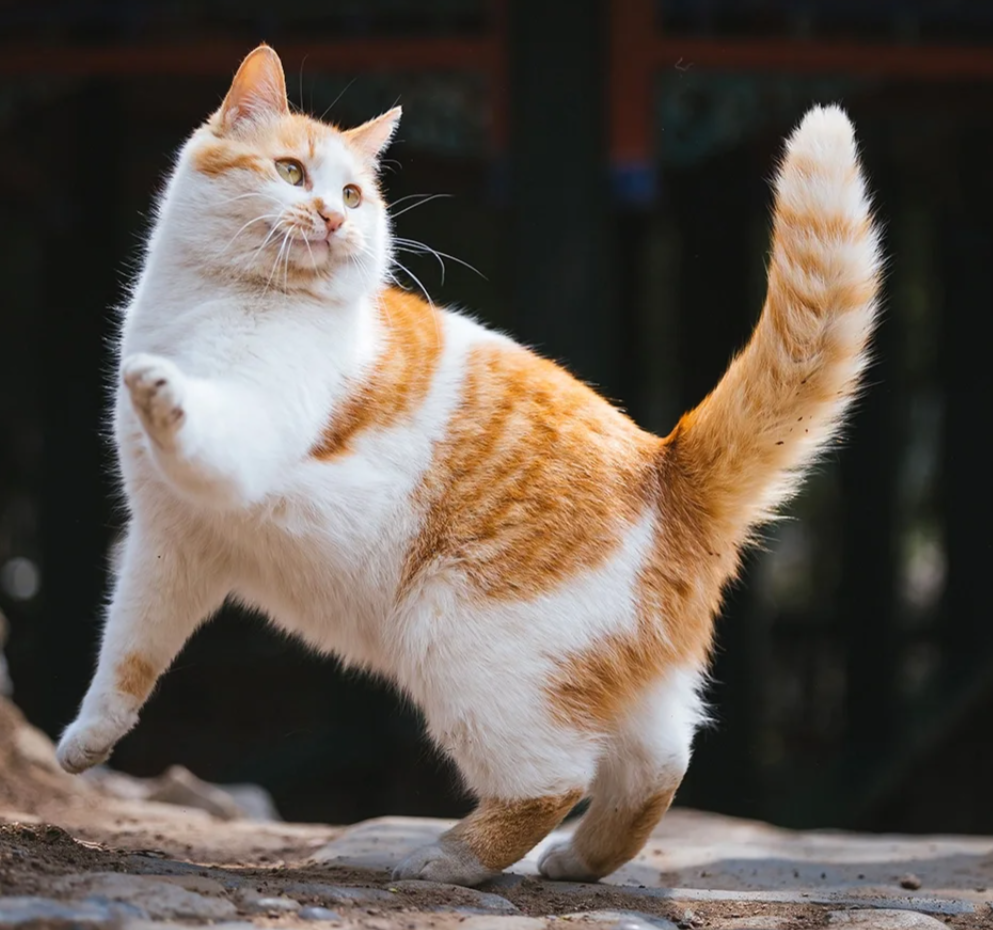
Understanding Feline Heart Disease
Heart disease is a significant health concern in cats, affecting cats of all ages, though it is more common in older felines. The condition occurs when the heart cannot pump blood efficiently, leading to a cascade of health problems throughout the body. Unlike dogs, cats rarely develop heart disease due to poor diet or lack of exercise. Instead, most feline heart conditions are inherited or develop from other health issues.
Understanding the warning signs of heart disease helps cat owners recognize problems early, when intervention is most effective. Cats are masters at hiding illness, so being vigilant about subtle changes is essential for early detection.
Types of Heart Disease in Cats
Hypertrophic Cardiomyopathy (HCM)
HCM is the most common heart disease in cats, causing the heart muscle to thicken abnormally. This thickening reduces the heart’s ability to fill with blood and pump efficiently. Maine Coon and Ragdoll cats have a genetic predisposition to HCM.
Dilated Cardiomyopathy (DCM)
DCM causes the heart chambers to enlarge and the walls to thin, reducing the heart’s pumping ability. This condition is less common today due to improved cat nutrition.
Other Conditions
Other heart conditions affecting cats include restrictive cardiomyopathy, heart valve problems, and congenital defects present from birth.
Early Warning Signs
Breathing Changes
One of the most significant warning signs involves changes in breathing. Labored breathing, even when resting, indicates the heart is struggling to function. Rapid breathing at rest (more than 30 breaths per minute) is abnormal. Open-mouth breathing in cats is always concerning and requires immediate attention. Persistent coughing, especially if accompanied by breathing difficulty, may indicate fluid buildup in the lungs.
Reduced Activity and Fatigue
Cats with heart disease often become less active. You might notice your cat sleeping more than usual, showing reluctance to play or climb, tiring easily during normal activities, or hiding or resting in unusual places.
Physical Signs
Visible Breathing Patterns
Watch for an increased respiratory rate while sleeping. Normal cats take 20 to 30 breaths per minute while resting. Breathing with the belly rather than the chest indicates respiratory difficulty. Stretched neck posture to ease breathing is a concerning sign.
Weight and Muscle Changes
Heart disease often causes weight loss despite a normal appetite. Loss of muscle mass, particularly along the spine and hind legs, can occur in advanced disease.
Advanced Warning Signs
Fluid Accumulation
When the heart fails to pump effectively, fluid can build up in the chest or abdomen. Signs include a distended or swollen belly, rapid weight gain from fluid retention, and legs or paws that appear swollen.
Collapse and Weakness
In advanced stages, cats may experience episodes of weakness or collapse. Fainting or collapsing, especially during exertion, is a serious warning sign. Sudden weakness in the hind legs, appearing suddenly or progressively, deserves immediate veterinary attention.
Gum Color Changes
Lift your cat’s lip and check the gums. Healthy gums are pink. Blue, gray, or very pale gums indicate poor oxygen circulation and require emergency care.
Behavioral Changes
Appetite Changes
Many cats with heart disease eat less due to nausea or general malaise. Some may seem interested in food but walk away without eating. Weight loss from decreased appetite worsens overall health.
Hiding Behavior
Cats instinctively hide when they feel unwell. Increased hiding, seeking unusual places to rest, or avoiding interaction with family members may indicate your cat is not feeling well.
When Heart Disease Is Suspected
The Importance of Veterinary Evaluation
Heart disease cannot be diagnosed by symptoms alone. Your veterinarian will perform a thorough physical examination, listening to the heart with a stethoscope for murmurs or irregular rhythms. Additional tests such as echocardiogram (ultrasound of the heart), X-rays, blood tests, and blood pressure measurement help confirm diagnosis and assess severity.
Regular Check-ups
Regular veterinary examinations are crucial for early detection, especially in predisposed breeds and senior cats. Early intervention helps slow disease progression and maintain quality of life.
Supporting a Cat with Heart Disease
Creating a Comfortable Environment
Reduce stress in your cat’s environment. Provide easy access to food, water, and litter boxes without requiring jumping or climbing. Keep the environment cool and well-ventilated.
Monitoring at Home
Keep track of your cat’s breathing rate while sleeping. Note any changes in appetite, activity level, or breathing patterns. Regular monitoring helps you detect problems early.
Disclaimer: This article is for informational purposes only and does not constitute professional veterinary advice. Heart disease is a serious condition that requires proper diagnosis and management by a qualified veterinarian. If you notice any warning signs of heart disease in your cat, or if your cat shows any changes in breathing, activity, or behavior, please consult a veterinarian for proper evaluation and appropriate care.