

What Is HCM in Cats and How Is It Diagnosed
Medically Reviewed by Dr. Sarah Jenkins, DVM, Feline Internal Medicine Specialist
Written by the SickCat Editorial Team · Updated Apr 15, 2026
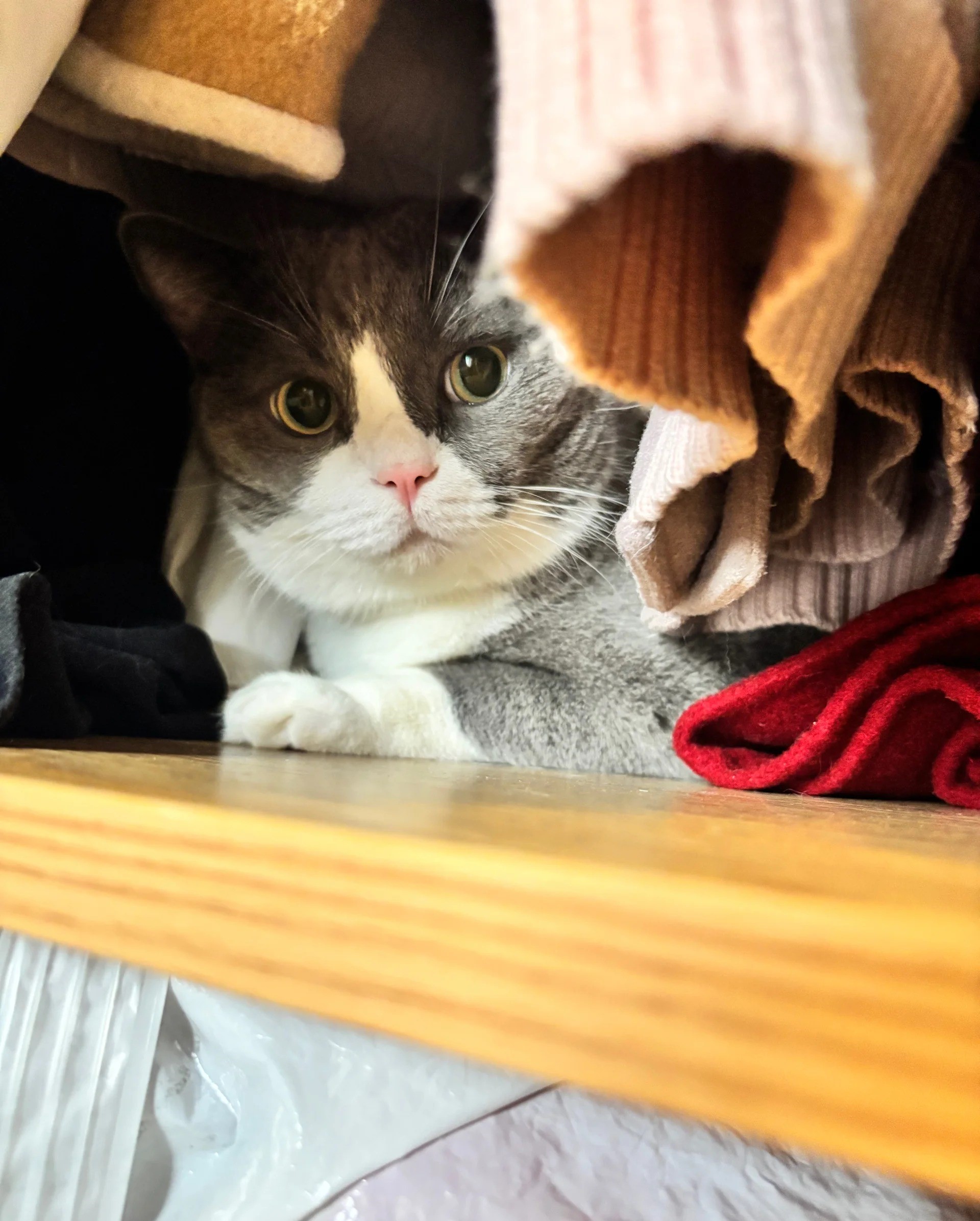
Understanding Hypertrophic Cardiomyopathy
Hypertrophic Cardiomyopathy (HCM) is the most common heart disease affecting cats. In this condition, the muscle of the heart becomes abnormally thickened, particularly in the left ventricle, which is the heart’s main pumping chamber. This thickening causes the heart chamber to become smaller, reducing the amount of blood it can hold and pump with each beat.
HCM can affect cats of any age, though it is often diagnosed in middle-aged to older cats. Some cats are born with the condition (congenital), while others develop it over time. Understanding HCM helps cat owners recognize potential problems and seek appropriate veterinary care.
How HCM Differs From Other Heart Conditions
Unlike heart disease in humans that is often linked to lifestyle factors, feline HCM is primarily genetic. It is not caused by diet, exercise levels, or environmental factors. Some breeds have a higher prevalence of HCM, suggesting a strong hereditary component in these populations.
Breeds Commonly Affected
Certain cat breeds have a higher risk of developing HCM. Maine Coon cats have the most well-documented genetic link to HCM, with a specific gene mutation identified in this breed. Ragdolls also have a strong genetic predisposition. Other breeds that may be affected include British Shorthairs, Persians, Bengals, and Sphynx cats.
If you own a breed with known HCM risk, regular cardiac screening is particularly important.
The Disease Process
What Happens in HCM
As the heart muscle thickens, the inner size of the left ventricle decreases. This means less blood fills the chamber between beats. The thickened muscle itself also requires more oxygen, creating increased demand on a heart that is functioning less efficiently.
The heart must work harder to pump blood throughout the body. Over time, this strain can lead to complications including heart failure, blood clots, and arrhythmias.
Potential Complications
Heart failure may develop as the heart struggles to meet the body’s demands. Fluid can accumulate in the lungs (pulmonary edema) or chest cavity (pleural effusion). Blood clots are a serious concern, as abnormal blood flow can cause cells to clump together. These clots may travel to the legs, causing sudden paralysis.
Recognizing Possible Signs
Subtle Indicators
Many cats with HCM show no obvious signs, especially in early stages. This is why regular veterinary check-ups are so important. Some cats may show subtle signs that could indicate heart problems.
Signs That Warrant Attention
Labored or rapid breathing may indicate fluid in the lungs. Open-mouth breathing in cats is always abnormal and requires immediate attention. Hind leg weakness or paralysis can indicate a blood clot. Decreased activity or reluctance to exercise may suggest reduced cardiac function. Sudden collapse or fainting episodes deserve immediate veterinary evaluation.
How HCM Is Diagnosed
Physical Examination
The diagnostic process often begins with a thorough physical exam. Your veterinarian will listen to your cat’s heart with a stethoscope. A heart murmur (an abnormal sound between beats) may be detected. An irregular heartbeat (arrhythmia) can sometimes be heard.
Echocardiogram
The definitive test for HCM is an echocardiogram (cardiac ultrasound). This non-invasive test uses sound waves to create images of the heart in motion. It allows veterinarians to measure the thickness of the heart muscle, evaluate how the heart is functioning, and identify any complications.
Additional Tests
Electrocardiogram (ECG) records the electrical activity of the heart and can detect arrhythmias. Chest X-rays may reveal an enlarged heart or fluid in the lungs. Blood tests including NT-proBNP can provide information about cardiac stress. Blood pressure measurement helps assess overall cardiovascular function.
Screening Recommendations
For At-Risk Breeds
Breeds with known genetic predisposition to HCM should undergo regular cardiac screening. Maine Coon and Ragdoll cats should be screened annually starting at a young age. Screening involves physical examination and echocardiogram performed by a veterinary cardiologist.
For Breeding Cats
Responsible breeders of predisposed breeds should have their breeding cats screened for HCM. This helps reduce the incidence of the disease in future generations.
Living with HCM
Management Approach
While HCM cannot be cured, it can often be managed effectively. The goal of management is to control symptoms, slow disease progression, and maintain quality of life.
Ongoing Care
Regular veterinary monitoring allows for assessment of disease progression and treatment adjustment. Many cats with HCM live comfortably for years with appropriate management.
Disclaimer: This article is for informational purposes only and does not constitute professional veterinary advice. HCM is a serious condition that requires proper diagnosis and management by a qualified veterinarian. If you notice any signs of heart problems in your cat, or if your cat belongs to a breed predisposed to HCM, please consult a veterinarian for proper evaluation and appropriate care.