

How Is Asthma Treated in Cats
Medically Reviewed by Dr. Sarah Jenkins, DVM, Feline Internal Medicine Specialist
Written by the SickCat Editorial Team · Updated Apr 15, 2026
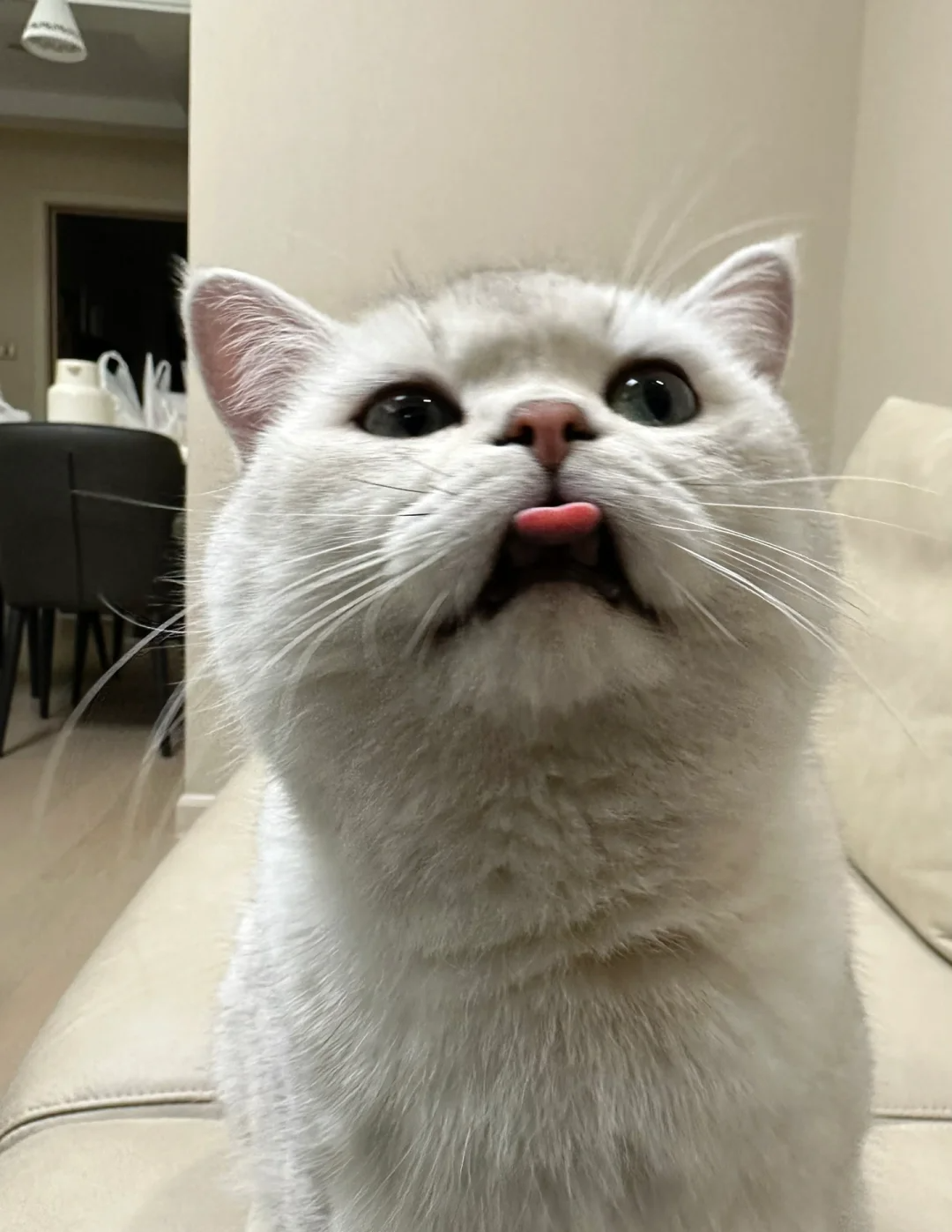
Understanding Feline Asthma
Feline asthma is a chronic inflammatory condition affecting the lower airways of cats. Similar to asthma in humans, it causes the airways to become narrowed, swollen, and filled with mucus, making breathing difficult. This condition is estimated to affect between one and five percent of all cats, making it one of the more common respiratory conditions in felines.
Understanding how asthma affects cats helps owners recognize symptoms early and work with their veterinarian to manage the condition effectively. While asthma cannot be cured, it can be managed successfully, allowing affected cats to live full, comfortable lives.
Recognizing Asthma Symptoms
Common Signs
Asthma symptoms can range from mild to severe and may come and go. Watch for persistent coughing, which is often the most noticeable symptom. Many cats assume a hunched posture with neck extended while coughing. Wheezing, especially audible when the cat exhales, is common. Difficulty breathing, characterized by rapid breathing or open-mouth breathing, should always be taken seriously.
More Severe Symptoms
In acute asthma attacks, symptoms become more dramatic. Labored breathing with visible chest movement indicates significant airway constriction. Gums may appear blue or pale during severe episodes, indicating reduced oxygen. Lethargy and decreased activity may occur, especially after breathing difficulties. Some cats may vomit or retch following severe coughing episodes.
How Asthma Is Diagnosed
Diagnosing asthma involves ruling out other conditions that cause similar symptoms. Your veterinarian will begin with a physical examination, listening to your cat’s lungs and checking for signs of respiratory distress. Chest X-rays can reveal characteristic changes in the airways and lungs. Blood tests may show elevated white blood cell counts indicating inflammation. In some cases, airway sampling or additional tests may be needed to confirm the diagnosis.
Since other conditions like heart disease, lungworms, and infections can mimic asthma symptoms, thorough diagnostic testing is essential for an accurate diagnosis.
Managing Feline Asthma
Environmental Control
One of the most important aspects of asthma management is controlling environmental triggers. Identifying and eliminating irritants from your home significantly reduces asthma episodes. Common triggers include dust, cigarette smoke, aerosol sprays, perfume, candles, fireplace smoke, dusty cat litter, and certain cleaning products.
Using low-dust or dust-free cat litter can help reduce airway irritation. Air purifiers with HEPA filters may improve air quality. Avoiding smoking near your cat and limiting the use of scented products creates a healthier environment.
Weight Management
Overweight cats with asthma often experience more severe symptoms. Maintaining a healthy weight through proper diet and exercise can significantly improve respiratory function and overall quality of life. Work with your veterinarian to determine an ideal weight and develop a safe weight loss plan if needed.
Stress Reduction
Stress can trigger or worsen asthma symptoms in cats. Providing a calm, predictable environment helps minimize stress-related episodes. Maintain consistent routines, offer hiding places, and minimize changes in the household.
Monitoring Your Cat
Keeping track of your cat’s asthma symptoms helps you and your veterinarian manage the condition effectively. Note the frequency and severity of coughing episodes. Monitor breathing patterns and any changes in activity level. Track what activities or environmental factors seem to trigger symptoms.
Many veterinarians recommend keeping a symptom diary to share during veterinary visits. This information helps guide treatment decisions and identifies patterns that may not be obvious otherwise.
Living with an Asthmatic Cat
With proper management, most cats with asthma can enjoy excellent quality of life. Many affected cats lead normal lives with minimal restrictions. The key is working closely with your veterinarian to find the right management plan and being attentive to any changes in symptoms.
Regular veterinary check-ups allow for monitoring of the condition and adjustments to management strategies as needed. Most cats with asthma require ongoing monitoring and periodic adjustments to their care plan.
When to Seek Emergency Care
Some asthma episodes require immediate veterinary attention. Seek emergency care if your cat is struggling to breathe with mouth open, if gums appear blue, gray, or very pale, if your cat is gasping or wheezing severely, or if your cat collapses or becomes unresponsive.
Disclaimer: This article is for informational purposes only and does not constitute professional veterinary advice. If you suspect your cat has asthma or if your cat shows any signs of respiratory distress, please consult a qualified veterinarian for proper diagnosis and appropriate management recommendations.