

How Do I Travel with My Cat Safely
Medically Reviewed by Dr. Elena Rossi, DVM, DABVP, Feline Wellness & Preventative Care Expert
Written by the SickCat Editorial Team · Updated Apr 15, 2026
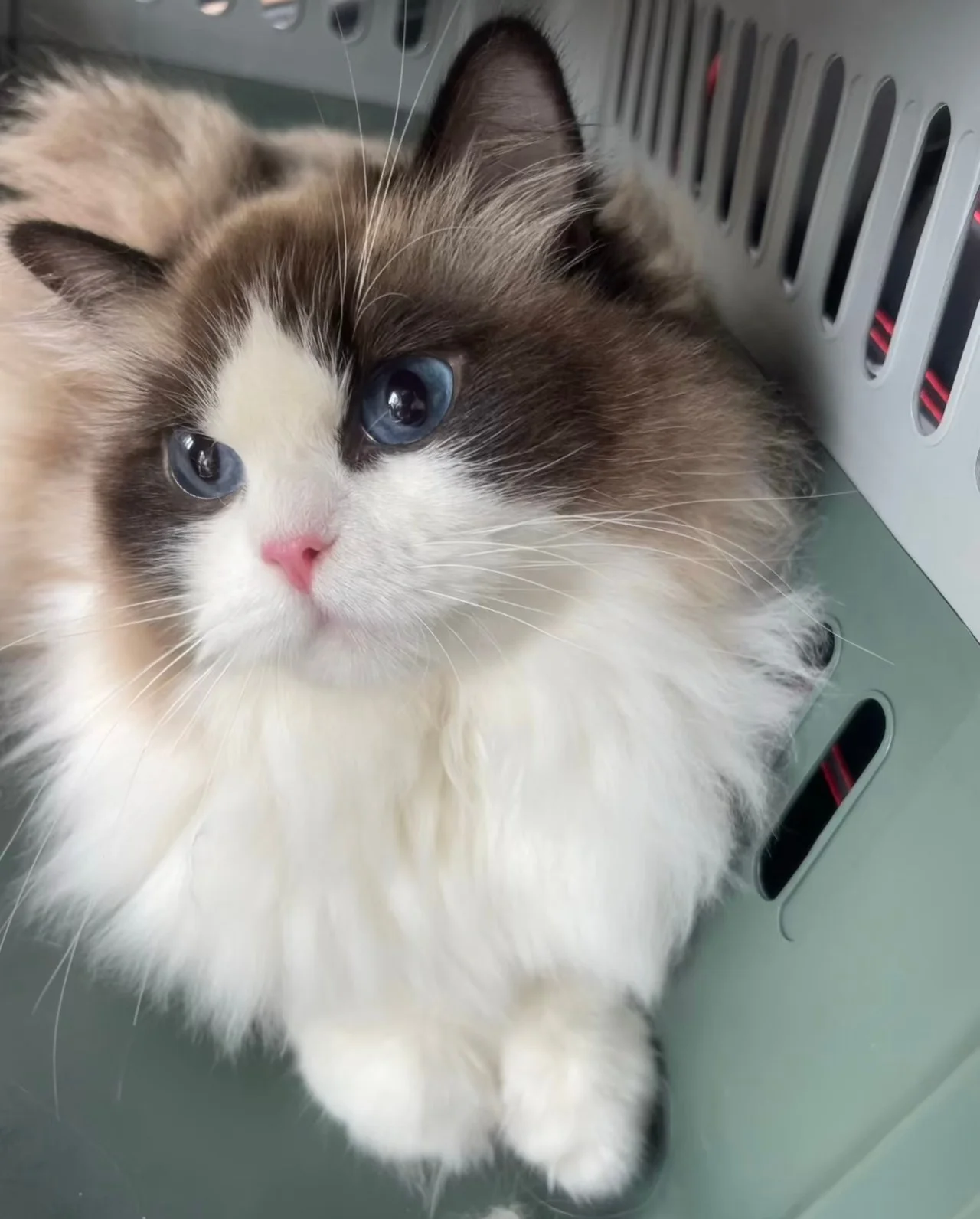
Planning Ahead
Traveling with a cat requires more preparation than traveling alone. Whether you’re taking a short car ride to the vet or embarking on a longer journey, advance planning helps ensure both you and your feline companion have a safer, less stressful experience. Never assume your cat will simply adapt to travel—most cats find changes in routine and environment stressful, so careful preparation is essential.
Choosing the Right Carrier
A proper carrier is the foundation of safe cat travel. The carrier should be sturdy, well-ventilated, and large enough for your cat to stand, turn around, and lie down comfortably. Hard-sided carriers are generally recommended for air travel, while either hard or soft-sided options work for car travel.
Look for carriers with secure latches and a solid bottom that won’t collapse. If traveling by air, ensure the carrier meets airline size requirements. Familiarize your cat with the carrier well before your trip—ideally weeks in advance—so it becomes associated with safety rather than stress.
Pre-Travel Veterinary Visit
Before any significant trip, schedule a check-up with your veterinarian. This allows your vet to ensure your cat is healthy enough for travel and up-to-date on all necessary vaccinations. If you’re traveling internationally, research the destination country’s pet import requirements well in advance, as many countries require specific vaccinations, health certificates, or quarantine periods.
Discuss any concerns about your cat’s anxiety or health conditions that might affect travel. Your vet can provide guidance specific to your cat’s needs.
Car Travel Safety
When traveling by car, always secure the carrier with a seatbelt or place it in a stable position where it won’t shift during travel. Never let your cat roam freely in the vehicle—this is dangerous for both your cat and the driver.
Keep the car well-ventilated and at a comfortable temperature. Avoid direct sunlight on the carrier. It’s best to feed your cat a light meal several hours before travel to reduce nausea, but don’t withhold water.
Plan for regular breaks if you’re on a long drive. Stop every two to three hours to offer your cat water and allow them to use a litter box if needed. Keep the carrier well-stocked with absorbent bedding in case of accidents.
Air Travel Considerations
Air travel with cats requires careful research and planning. Most airlines allow cats in the cabin if the carrier fits under the seat, but size and breed restrictions vary. Some airlines may require cats to travel in the cargo hold, which carries additional risks.
Book direct flights whenever possible to minimize handling and transfers. Choose flights that depart during cooler parts of the day to avoid temperature extremes. Arrive early to allow plenty of time for check-in and security procedures.
Not all cats are good candidates for air travel, particularly brachycephalic (flat-faced) breeds like Persians, senior cats, or those with health conditions. Discuss whether air travel is appropriate for your cat with your veterinarian.
What to Pack
Prepare a travel kit for your cat that includes: familiar items from home like a blanket or toy that carries comforting scents, enough food for the duration of your trip plus a few extra days, portable water bowls, any medications your cat requires, waste bags and a portable litter box, proof of vaccinations and health certificates, recent photos of your cat in case of escape, and your veterinarian’s contact information.
Managing Anxiety and Stress
Travel can be extremely stressful for cats. Consider these strategies to help keep your cat calm: maintain a calm demeanor as cats pick up on their owner’s emotions, speak softly and avoid sudden loud noises, consider using feline pheromone sprays in the carrier, and keep familiar scents nearby.
If your cat experiences severe anxiety during travel, discuss calming options with your veterinarian well before your trip.
Signs of Trouble
Monitor your cat throughout the journey for signs of distress. Concerning signs include excessive panting or drooling, vomiting that persists, attempts to escape the carrier, extreme lethargy, or breathing difficulties.
If your cat shows severe distress or health concerns during travel, find the nearest veterinary facility as quickly as safely possible.
At Your Destination
Once you arrive, set up a safe space for your cat immediately. Choose one room with the carrier, litter box, food, water, and familiar items. Allow your cat to explore gradually and at their own pace. Keep doors and windows secure, and don’t let your cat outside until they’re comfortable in the new environment.
Disclaimer: This article is for informational purposes only and does not constitute professional veterinary advice. If your cat has pre-existing health conditions, experiences severe anxiety, or shows any concerning symptoms before or during travel, please consult a qualified veterinarian for personalized guidance.