

How Do I Care for My Cat After Surgery
Medically Reviewed by Dr. Elena Rossi, DVM, DABVP, Feline Wellness & Preventative Care Expert
Written by the SickCat Editorial Team · Updated Apr 15, 2026
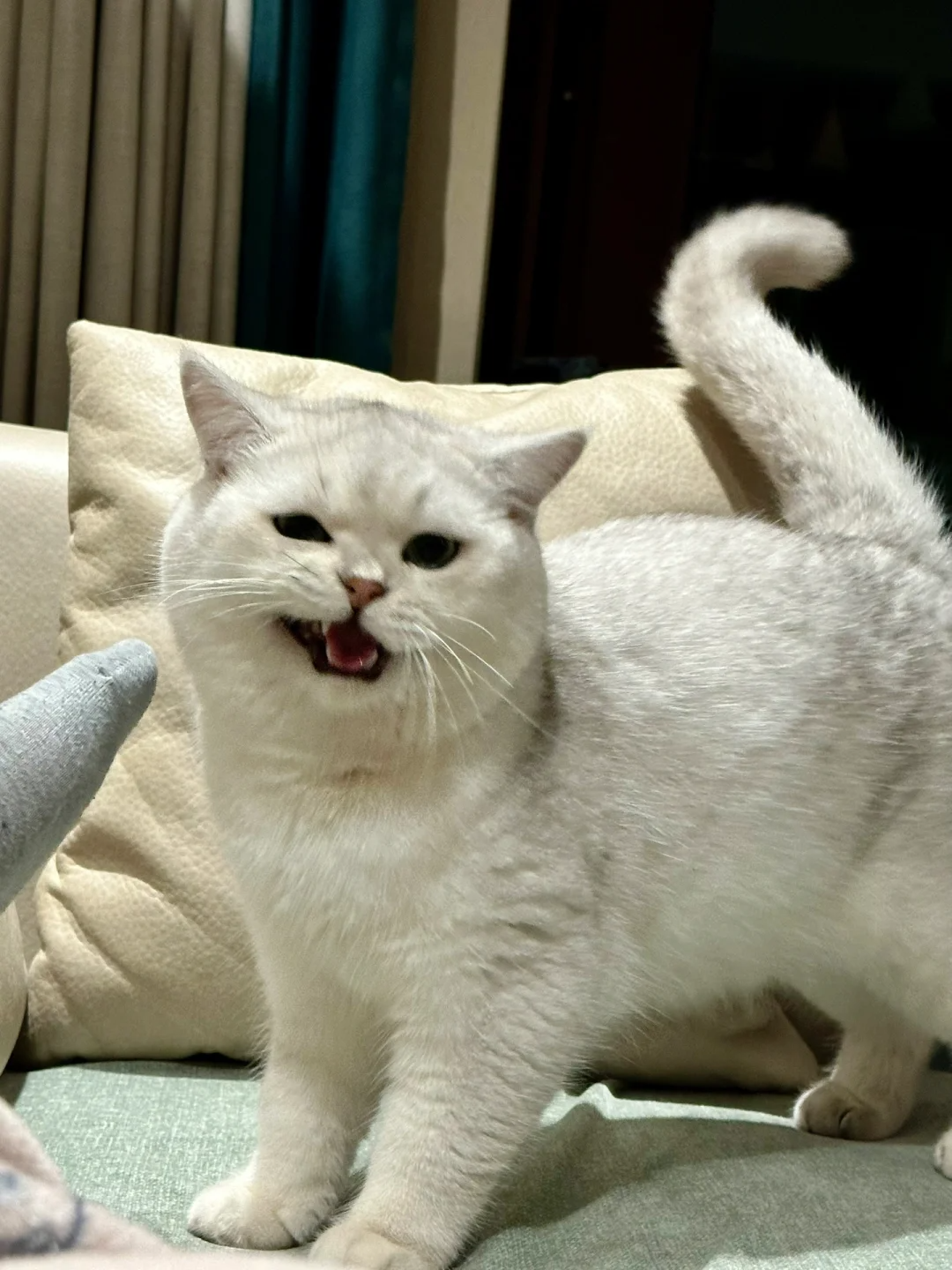
The Recovery Environment
Creating a calm, comfortable recovery space is essential for your cat after surgery. Set up a small, quiet room or a designated area away from household chaos, other pets, and children. The recovery space should include a soft, clean bed with easy access to food, water, and a litter box nearby.
Maintain a comfortable room temperature—avoiding areas that are too cold or drafty, as your cat’s body will be focused on healing. Keep the environment low-stress and predictable during the recovery period.
Rest and Activity Management
After surgery, your cat will likely be groggy from anesthesia and need plenty of rest. Allow your cat to sleep undisturbed as much as possible. Keep the recovery area relatively quiet and avoid activities that might cause your cat to jump, run, or exert themselves.
Ask your veterinarian about appropriate activity restrictions based on the type of surgery performed. Generally, confining your cat to one room for the first few days can help prevent complications from excessive activity.
Monitoring the Surgical Site
Regularly check the incision site for any signs of complications. What to look for: redness that seems excessive or spreading, swelling that increases over time, discharge or bleeding from the wound, or foul odor coming from the area.
Keep the incision site clean and dry. Do not apply any products unless directed by your veterinarian. Prevent your cat from licking or chewing the incision—your vet may provide an e-collar (Elizabethan collar) if needed.
Managing Pain and Discomfort
It’s normal for cats to show signs of discomfort after surgery. Your cat may vocalize more, seem restless, or prefer to hide. Some cats become more affectionate, while others may withdraw.
Your veterinarian may prescribe pain management medications. Follow dosing instructions carefully and never give human pain medications to your cat. Monitor your cat’s comfort level and report any concerns to your veterinary team.
Nutrition and Hydration
Anesthesia can cause nausea, so start by offering small amounts of food and water when your cat first comes home. If your cat isn’t interested in eating, try offering their favorite foods or warming the food slightly to enhance the aroma.
Ensure fresh water is always available. Some cats prefer running water, so a pet water fountain may encourage hydration if your cat seems reluctant to drink.
Litter Box Habits
Keep the litter box extremely clean during recovery to prevent infection. Place it very close to your cat’s resting area since they may be reluctant to travel far immediately after surgery.
Monitor your cat’s litter box habits. Contact your veterinarian if your cat hasn’t urinated within 24 hours of coming home, or if you notice any changes in bowel movements that seem concerning.
Administering Medications
If your cat needs medication, follow all instructions precisely. Here are some general tips for giving medications to cats: use treats or pill pockets to make administration easier, remain calm as cats can sense your anxiety, and if you’re struggling to give medications, contact your veterinary team for alternatives or demonstrations.
Never crush pills or mix medications with food unless specifically instructed by your veterinarian, as this can alter effectiveness.
The Importance of Follow-up Appointments
Attend all scheduled follow-up appointments with your veterinarian, even if your cat seems to be recovering well. These visits allow your vet to assess healing progress, remove stitches if necessary, and address any concerns you may have.
If you have questions or concerns between appointments, don’t hesitate to call your veterinary clinic for guidance.
When to Contact Your Veterinarian
Contact your veterinary team immediately if you notice: the incision site reopening, excessive bleeding or discharge, signs of infection (increasing redness, warmth, swelling, or odor), lethargy that persists beyond expected recovery time, vomiting or diarrhea, loss of appetite for more than 24 hours, or difficulty breathing.
Trust your instincts—if something seems wrong, it’s better to call and check than to wait and worry.
Disclaimer: This article is for informational purposes only and does not constitute professional veterinary advice. Every cat and surgery is unique. Please follow your veterinarian’s specific post-operative instructions and contact your veterinary clinic with any questions or concerns about your cat’s recovery.