

What Special Care Does My Senior Cat Need
Medically Reviewed by Dr. Sarah Jenkins, DVM, Feline Internal Medicine Specialist
Written by the SickCat Editorial Team · Updated Apr 15, 2026
Recognizing Your Cat's Senior Years
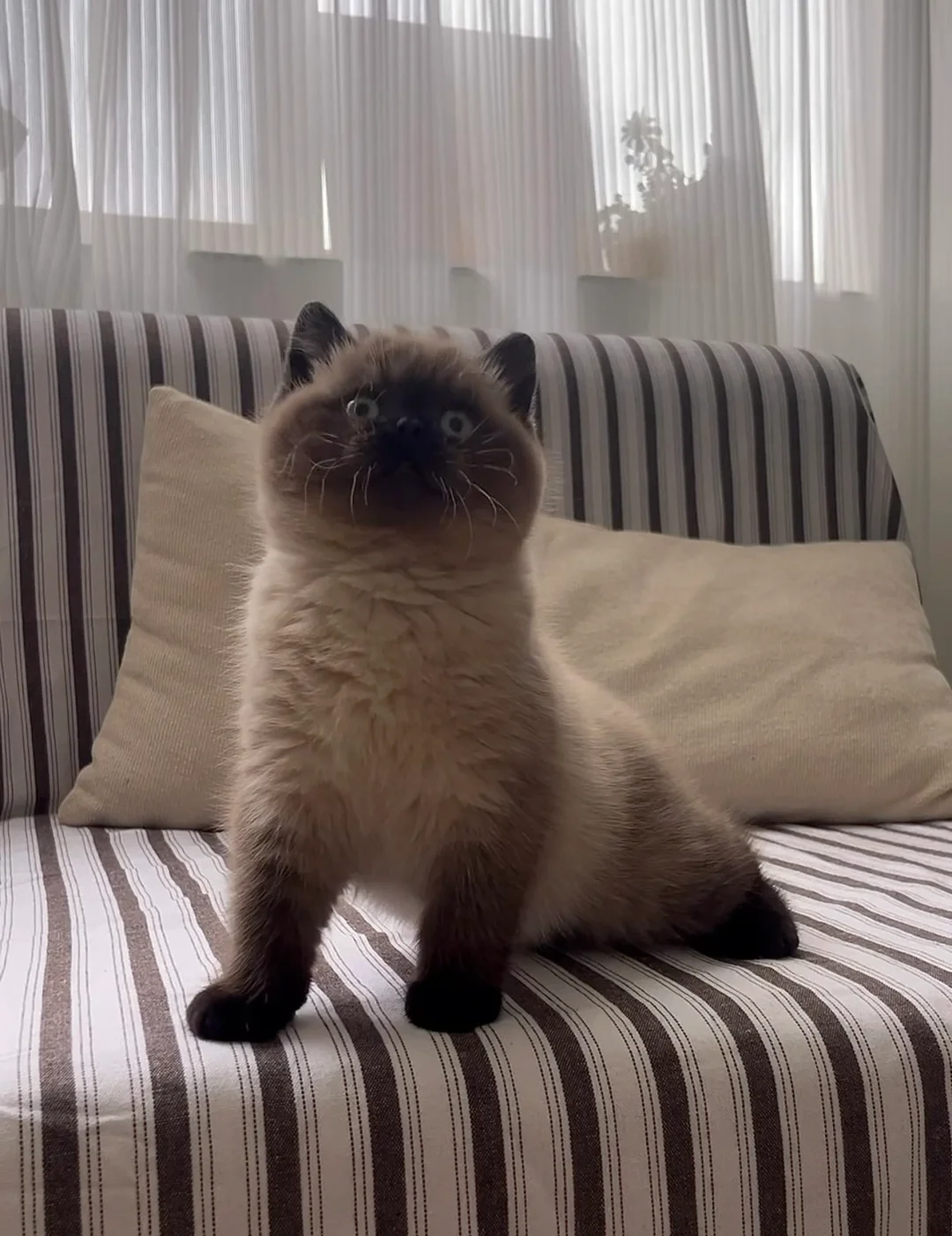
Cats are generally considered seniors around 11 to 12 years of age. As your feline friend ages, their needs change significantly. Understanding these changes helps you provide the best possible care during their golden years. Senior cats may appear healthy on the surface while developing age-related conditions that benefit from early intervention.
Nutrition for Aging Cats
Senior cats have different nutritional requirements than younger cats. Their metabolism slows down, which means they may need fewer calories to avoid weight gain—excess weight puts additional strain on aging joints and organs. However, they still need high-quality protein to maintain muscle mass.
Consider foods specifically formulated for senior cats, which typically contain appropriate levels of protein, fiber, and essential nutrients. Some senior cat foods include supplements like glucosamine or omega-3 fatty acids that support joint health. Always ensure fresh water is readily available, as senior cats may be prone to dehydration.
More Frequent Veterinary Check-ups
As cats age, regular veterinary visits become increasingly important. While young adult cats may only need annual check-ups, senior cats typically benefit from examinations every six months. These visits allow your veterinarian to monitor changes over time and catch potential issues early.
During senior cat check-ups, your veterinarian may recommend blood work, urinalysis, or other diagnostic tests to evaluate kidney function, thyroid activity, and overall organ health. These tests can detect problems before obvious symptoms appear.
Environmental Adaptations
Your home may need modifications to accommodate your aging cat’s changing abilities. Consider placing food, water, and litter boxes on the same floor to reduce the need for climbing stairs. Provide comfortable, warm sleeping spots away from drafts.
Ramps or pet stairs can help your cat reach favorite perches without jumping. Non-slip mats on slippery floors help prevent falls. Keep frequently used items easily accessible and avoid rearranging furniture that your cat has memorized.
Monitoring for Behavioral Changes
Changes in behavior can often indicate underlying health issues in senior cats. Watch for increased vocalization (especially at night), changes in litter box habits, decreased grooming, increased sleeping, or unusual aggression. Disorientation or confusion may signal cognitive decline.
Keep a journal of your cat’s normal behaviors so you can quickly identify changes. Early detection of behavioral shifts often leads to better outcomes.
Adjusting Exercise and Play
Senior cats typically become less active, which is normal, but some movement remains important. Gentle play sessions help maintain muscle tone and mental stimulation. However, adjust the intensity and duration to match your cat’s energy levels.
Pay attention to how your cat responds to activity. If they tire easily or show reluctance to play, they may be experiencing discomfort or fatigue.
Grooming and Hygiene
Senior cats may groom themselves less effectively due to decreased flexibility or arthritis. Regular brushing helps remove loose fur and prevents matting. It also provides bonding time and allows you to check for lumps, skin problems, or parasites.
You may also need to help with nail trimming if your senior cat is less active and their nails don’t wear down naturally. Check ears and eyes for any discharge or unusual appearance.
Weight Management
Maintaining a healthy weight is crucial for senior cats. Obesity increases the risk of diabetes, joint problems, and other conditions. Conversely, unexpected weight loss may indicate hyperthyroidism, kidney disease, or other issues.
Monitor your cat’s weight regularly and adjust food portions as needed. Your veterinarian can help you determine the ideal weight and feeding plan for your senior cat.
Creating a Calm Environment
Senior cats often appreciate a calm, predictable routine. Minimize loud noises and sudden changes in the household. Provide quiet retreat spaces where your cat can rest undisturbed.
If you have other pets, ensure your senior cat has easy access to resources without competition. Some older cats may become more anxious around energetic younger pets.
Disclaimer: This article is for informational purposes only and does not constitute professional veterinary advice. If you notice any concerning changes in your senior cat’s health, behavior, or condition, please consult a qualified veterinarian for proper evaluation and guidance.