

How Do I Manage Weight in My Senior Cat
Medically Reviewed by Dr. Robert MacIntyre, BVMS, Feline Nutritionist & Dietitian
Written by the SickCat Editorial Team · Updated Apr 15, 2026
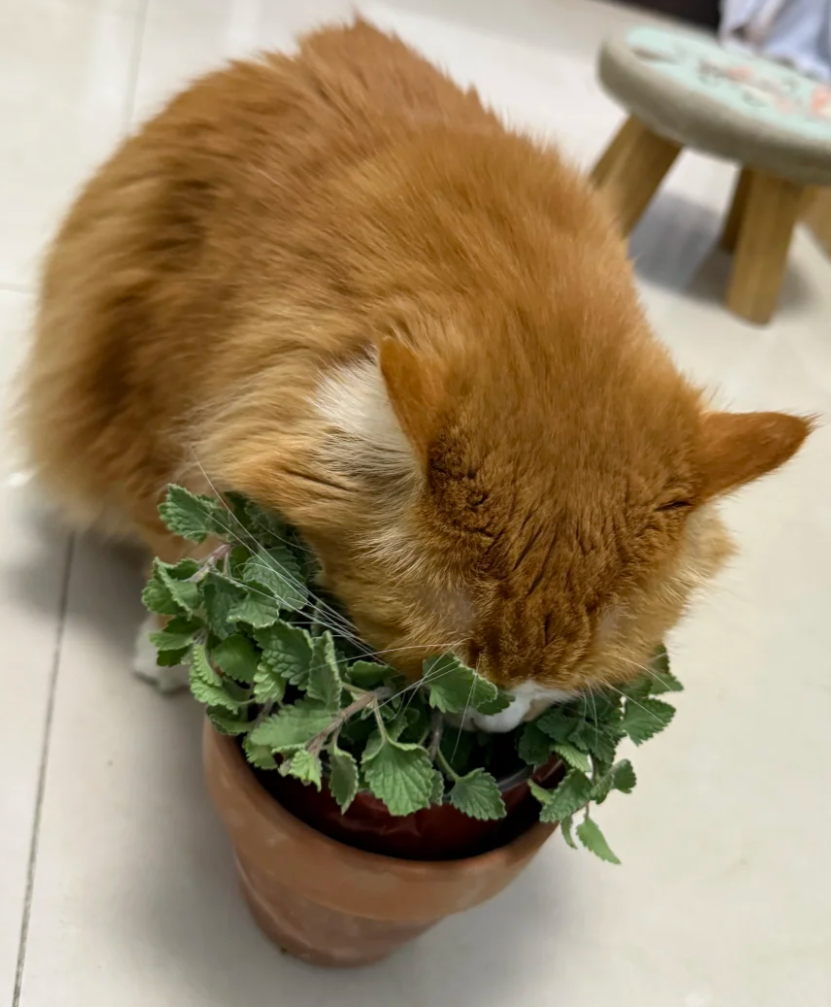
Understanding Senior Cat Weight Management
Weight management becomes increasingly important as cats age. Senior cats, typically those over 11 years old, face unique challenges when it comes to maintaining a healthy weight. Their metabolism slows down, activity levels decrease, and age-related health conditions can affect both appetite and weight. Understanding how to properly manage your senior cat’s weight is essential for ensuring their comfort, mobility, and overall quality of life in their golden years.
Why Weight Management Matters for Senior Cats
Health Risks of Excess Weight
Carrying extra pounds puts significant stress on aging bodies:
-
Aggravates joint problems and arthritis
-
Increases risk of diabetes
-
Strains the heart and cardiovascular system
-
Contributes to respiratory difficulties
-
Raises the risk of liver disease
-
Decreases overall quality of life
Health Risks of Being Underweight
Being underweight can also signal problems:
-
May indicate underlying illness
-
Leads to muscle wasting
-
Weakens the immune system
-
Causes decreased energy and vitality
-
Can indicate dental or digestive problems
Determining Ideal Weight
General Guidelines
For most domestic cats, the ideal weight typically ranges between 8-12 pounds:
-
Small breeds: 5-8 pounds
-
Medium breeds: 8-12 pounds
-
Large breeds: 10-18 pounds
However, ideal weight depends on your cat’s frame size and build, not just numbers on a scale.
Body Condition Scoring
Learn to assess your cat’s body condition at home:
Underweight Signs:
-
Ribs easily visible or easily felt with no fat covering
-
Prominent waistline when viewed from above
-
Abdominal tuck when viewed from the side
-
Loss of muscle mass along the spine
Ideal Weight Signs:
-
Ribs can be felt but not seen
-
Waist visible when viewed from above
-
Minimal abdominal fat pad
-
Smooth body contour
Overweight Signs:
-
Ribs difficult to feel under fat
-
No visible waist
-
Rounded abdomen
-
Obvious fat deposits over hips and tail base
Causes of Weight Changes in Senior Cats
Weight Gain Causes
Decreased Activity:
-
Joint pain discourages movement
-
Lower energy levels
-
Reduced play behavior
-
Preference for resting over exploring
Metabolic Changes:
-
Slower metabolism with age
-
Hormonal changes
-
Reduced muscle mass
-
Decreased calorie needs
Dietary Factors:
-
Free-feeding leading to overconsumption
-
High-calorie treats
-
Table scraps and human food
-
Inappropriate portion sizes
Weight Loss Causes
Medical Conditions:
-
Thyroid problems (especially hyperthyroidism)
-
Diabetes
-
Kidney disease
-
Dental problems
-
Gastrointestinal issues
-
Cancer
Other Factors:
-
Reduced sense of smell
-
Difficulty reaching food bowls
-
Stress or anxiety
-
Medication side effects
-
Cognitive decline affecting eating habits
Dietary Considerations
Choosing the Right Food
Senior cats have specific nutritional needs:
For Weight Loss:
-
High-protein, low-carbohydrate formulas
-
Increased fiber for satiety
-
Lower calorie density
-
Enhanced nutrient density per bite
For Weight Maintenance:
-
Age-appropriate senior formulas
-
Moderate calorie content
-
Joint-supporting nutrients
-
Easy-to-digest proteins
For Underweight Seniors:
-
Higher calorie formulas
-
More palatable options
-
Easier-to-chew textures
-
Increased protein and fat
Portion Control
Managing portions is crucial:
-
Measure food precisely using a kitchen scale
-
Use standard measuring cups for dry food
-
Account for treats in daily calorie intake
-
Feed multiple small meals if needed
-
Avoid free-feeding for overweight cats
Treat Management
Treats can significantly impact weight:
-
Limit treats to less than 10% of daily calories
-
Choose low-calorie treat options
-
Avoid table scraps entirely
-
Use healthy alternatives like small pieces of cooked vegetables
Exercise for Senior Cats
Safe Activity Encouragement
Gentle exercise supports healthy weight:
Gentle Play Sessions:
-
Short sessions of 5-10 minutes
-
Low-impact toys like wand toys
-
Encourage movement without jumping
-
Let your cat set the pace
Environmental Enrichment:
-
Puzzle feeders to encourage activity
-
Food toys that require movement
-
Window perches for bird watching
-
Cat trees for gentle climbing
Gentle Movement:
-
Encourage slow movement between rooms
-
Place food bowls in accessible locations
-
Use ramps instead of jumping
-
Massage and gentle stretching
Supporting Mobility
Joint health affects activity levels:
-
Provide soft, warm bedding
-
Keep food and litter boxes easily accessible
-
Use ramps to favorite spots
-
Consider heated beds for stiff joints
Monitoring Weight at Home
Regular Weigh-Ins
Track your cat’s weight consistently:
-
Weigh at the same time of day
-
Use the same scale
-
Weigh monthly for stable seniors
-
Weigh weekly if making dietary changes
-
Record results to track trends
Body Condition Assessments
Perform regular checks:
-
Feel for ribs along the ribcage
-
Observe waistline from above
-
Check abdominal tuck from the side
-
Monitor muscle condition along the spine
What to Track
Keep records of:
-
Weight measurements
-
Body condition scores
-
Appetite levels
-
Activity patterns
-
Litter box habits
When Weight Changes Are Concerning
Signs of Problematic Weight Gain
Contact your veterinarian if your cat:
-
Gains more than 1 pound suddenly
-
Has visible fat deposits
-
Cannot groom properly due to size
-
Has difficulty moving
-
Shows increasing lethargy
Signs of Problematic Weight Loss
Seek veterinary attention if your cat:
-
Loses more than 1 pound
-
Shows visible ribs or bones
-
Has a dramatically increased appetite
-
Experiences appetite changes
-
Shows other concerning symptoms
Warning Signs Requiring Immediate Attention
Contact your veterinarian immediately for:
-
Rapid weight changes
-
Complete loss of appetite
-
Lethargy or weakness
-
Difficulty breathing
-
Vomiting or diarrhea
-
Any sudden behavioral changes
Working with Your Veterinarian
Regular Check-ups
Senior cats benefit from more frequent monitoring:
-
Wellness exams every 6 months
-
Weight tracking at each visit
-
Blood work to check organ function
-
Discussion of dietary needs
-
Assessment of mobility and comfort
Diagnostic Testing
Your veterinarian may recommend:
-
Blood panels to check thyroid function
-
Kidney function tests
-
Blood glucose testing
-
Urinalysis
-
Additional screenings based on symptoms
Home Environment Adjustments
For Overweight Cats
Help your cat succeed with:
-
Scheduled feeding times instead of free-feeding
-
Measured portions at each meal
-
Reduced treat availability
-
Multiple water stations
-
Easy-access rest areas
For Underweight Cats
Support healthy weight gain with:
-
Quiet, calm feeding areas
-
Shallow, wide food bowls
-
Slightly warmed food for aroma
-
Multiple small meals daily
-
Fresh, palatable food options
Accessibility Considerations
For cats with mobility challenges:
-
Floor-level food and water bowls
-
Low-sided litter boxes
-
Ramps to elevated resting spots
-
Soft bedding in warm locations
-
Easy access to favorite spots
Quality of Life Focus
Balancing Weight and Wellbeing
Remember that:
-
Gradual changes work best
-
Patience is essential
-
Weight management takes time
-
Quality of life matters most
-
Love and comfort are important
Recognizing Success
Progress includes:
-
Stable weight over time
-
Improved mobility
-
Maintained muscle condition
-
Good appetite and energy
-
Overall comfort and happiness
If your senior cat shows significant weight changes, difficulty maintaining weight, changes in appetite, mobility problems, or any concerning symptoms related to weight or body condition, please consult a veterinarian for proper evaluation and guidance.