

How Do I Know When My Cat Is Considered a Senior
Medically Reviewed by Dr. Marcus Thorne, BVSc, Veterinary Behaviorist
Written by the SickCat Editorial Team · Updated Apr 15, 2026
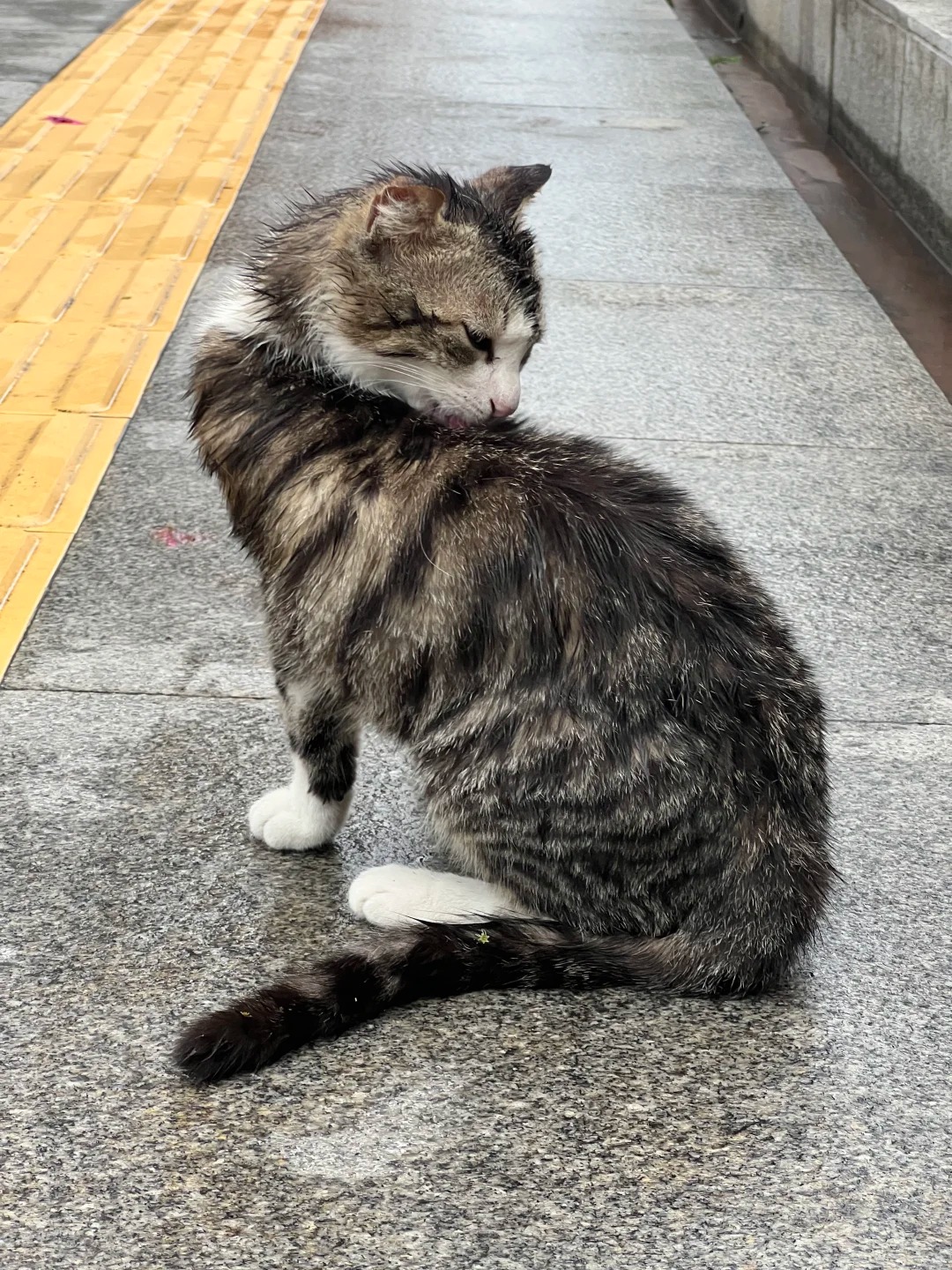
Understanding Cat Age Categories
Determining when your cat transitions from adult to senior can be important for providing appropriate care and anticipating age-related needs. While cats don’t have birthdays with clear milestone markers, veterinarians and pet organizations have established guidelines to help cat owners understand their feline companions’ life stages. Understanding when your cat becomes a senior can help you provide the best care as they age.
General Age Guidelines
Industry Standards
Most veterinary organizations and pet food manufacturers agree on these general age categories:
Kitten: Birth to approximately 1 year
Junior: 1 to 2 years
Adult: 3 to 6 years
Mature: 7 to 10 years
Senior: 11 to 14 years
Geriatric: 15 years and older
Human Years Comparison
A common comparison that helps put cat years in perspective:
-
1 human year = approximately 4-5 cat years (in adulthood)
-
A 7-year-old cat is approximately 44 in human years
-
An 11-year-old cat is approximately 60 in human years
-
A 15-year-old cat is approximately 73 in human years
These are approximations, as cats age at different rates based on genetics, environment, and overall health.
Breed Considerations
Large Breed Cats
Some larger cat breeds have different aging timelines:
-
Maine Coons, Ragdolls, and other large breeds may age more slowly
-
These breeds might not be considered seniors until 12-13 years
-
Large breeds often have different age-related concerns
Small and Medium Breed Cats
Smaller cat breeds may show aging signs earlier:
-
Shorter, stockier breeds may age faster
-
These cats might need senior care earlier
-
Individual variation still applies
Mixed Breed Cats
Mixed breed cats often have hybrid vigor:
-
May age more slowly than purebred cats
-
Generally healthier throughout their lives
-
Senior status depends on individual health
Signs of Aging in Cats
Physical Changes
Coat and Fur:
-
Graying around the muzzle and face
-
Thinning or dulling of the coat
-
Less effective self-grooming
-
Development of mats more easily
Eyes:
-
Cloudiness or slight bluish tint (nuclear sclerosis)
-
Reduced pupil reactivity
-
Slower adjustment to darkness
-
Occasional discharge or tearing
Teeth and Mouth:
-
Yellowing or browning of teeth
-
Increased tartar buildup
-
Possible gum recession
-
Dental disease becoming more common
Mobility Changes
Activity Level:
-
Reduced interest in play
-
Slower movements overall
-
Sleeping more frequently
-
Shorter play sessions
Joint Mobility:
-
Stiffness, especially after rest
-
Difficulty jumping or climbing
-
Shorter jumping distances
-
Reluctance to use stairs
Behavioral Changes
Cognitive Changes:
-
Increased vocalization, especially at night
-
Confusion or disorientation
-
Changes in sleep-wake cycles
-
Less responsiveness to surroundings
Social Behavior:
-
Increased need for quiet
-
Preference for consistent routines
-
Changes in interaction with family
-
More selective about attention
Health Changes in Senior Cats
Common Age-Related Conditions
Senior cats are more prone to certain health issues:
-
Arthritis and joint problems
-
Dental disease
-
Kidney disease
-
Hyperthyroidism
-
Heart disease
-
Diabetes
-
Cognitive dysfunction
-
Vision and hearing loss
Increased Veterinary Needs
Senior cats typically require:
-
More frequent wellness exams
-
Additional screening tests
-
Earlier intervention for health issues
-
More careful monitoring of chronic conditions
When to Transition Care
Dietary Changes
When to Switch:
-
Around 7-10 years for mature cat food
-
Around 11-12 years for senior formulas
-
When health conditions warrant therapeutic diets
What Changes:
-
Lower calorie content for reduced metabolism
-
Adjusted protein levels
-
Added joint-supporting nutrients
-
Enhanced digestibility
Environmental Adjustments
Consider making changes when:
-
Jumping becomes noticeably more difficult
-
Mobility issues become apparent
-
Energy levels decrease significantly
-
Balance and coordination seem affected
Recognizing Individual Variation
Factors That Influence Aging
Not all cats age at the same rate:
Genetics: Some cats are genetically predisposed to age more slowly or quickly
Environment: Indoor cats often live longer than outdoor cats
Nutrition: Quality diet affects aging and longevity
Healthcare: Regular veterinary care extends healthy years
Lifestyle: Active, engaged cats may age more gracefully
Signs Your Cat Is Not Aging Well
Watch for these indicators regardless of age:
-
Unexplained weight loss or gain
-
Significant changes in appetite
-
Dramatic behavior changes
-
Persistent lethargy
-
Difficulty with basic functions
Importance of Senior Care
Proactive Management
Being prepared for senior status helps:
-
Earlier detection of age-related issues
-
Better management of chronic conditions
-
Improved quality of life
-
Stronger human-animal bond
Quality of Life
Senior cats can thrive with appropriate care:
-
Many cats live comfortably into their late teens
-
Proper care extends healthy years
-
Love and attention remain important
-
Adapting care extends quality of life
What You Can Do
Monitoring Changes
Keep track of:
-
Appetite and water intake
-
Weight changes
-
Activity levels
-
Grooming habits
-
Litter box habits
-
Behavioral patterns
Preparing Your Home
Make adjustments as needed:
-
Provide easy access to favorite spots
-
Use low-sided litter boxes
-
Offer soft, warm bedding
-
Maintain consistent routines
-
Create quiet spaces for rest
Veterinary Care
Work with your veterinarian:
-
Schedule regular senior wellness exams
-
Discuss appropriate screening tests
-
Monitor for age-related conditions
-
Adjust care as needs change
Red Flags at Any Age
Contact your veterinarian if you notice:
-
Sudden weight loss or gain
-
Loss of appetite for more than 24 hours
-
Difficulty breathing
-
Changes in litter box habits
-
Persistent vomiting or diarrhea
-
Extreme lethargy or weakness
-
Signs of pain or distress
Setting Realistic Expectations
Typical Senior Cat Timeline
-
7-10 years: Transition to mature care
-
11-14 years: Active senior years
-
15+ years: Geriatric care needs
-
Quality of life focus becomes paramount
Every Cat Is Different
Remember that:
-
Chronological age is not the only factor
-
Individual health matters more than numbers
-
Love and care transcend age categories
-
Senior cats still have much to give
If your cat shows signs of premature aging, unexplained health changes, significant behavioral shifts, difficulty with mobility, changes in eating or elimination habits, or any concerning symptoms regardless of their official age category, please consult a veterinarian for proper evaluation and guidance.