

How Do I Socialize My Kitten
Medically Reviewed by Dr. Elena Rossi, DVM, DABVP, Feline Wellness & Preventative Care Expert
Written by the SickCat Editorial Team · Updated Apr 15, 2026
Why Socialization Matters
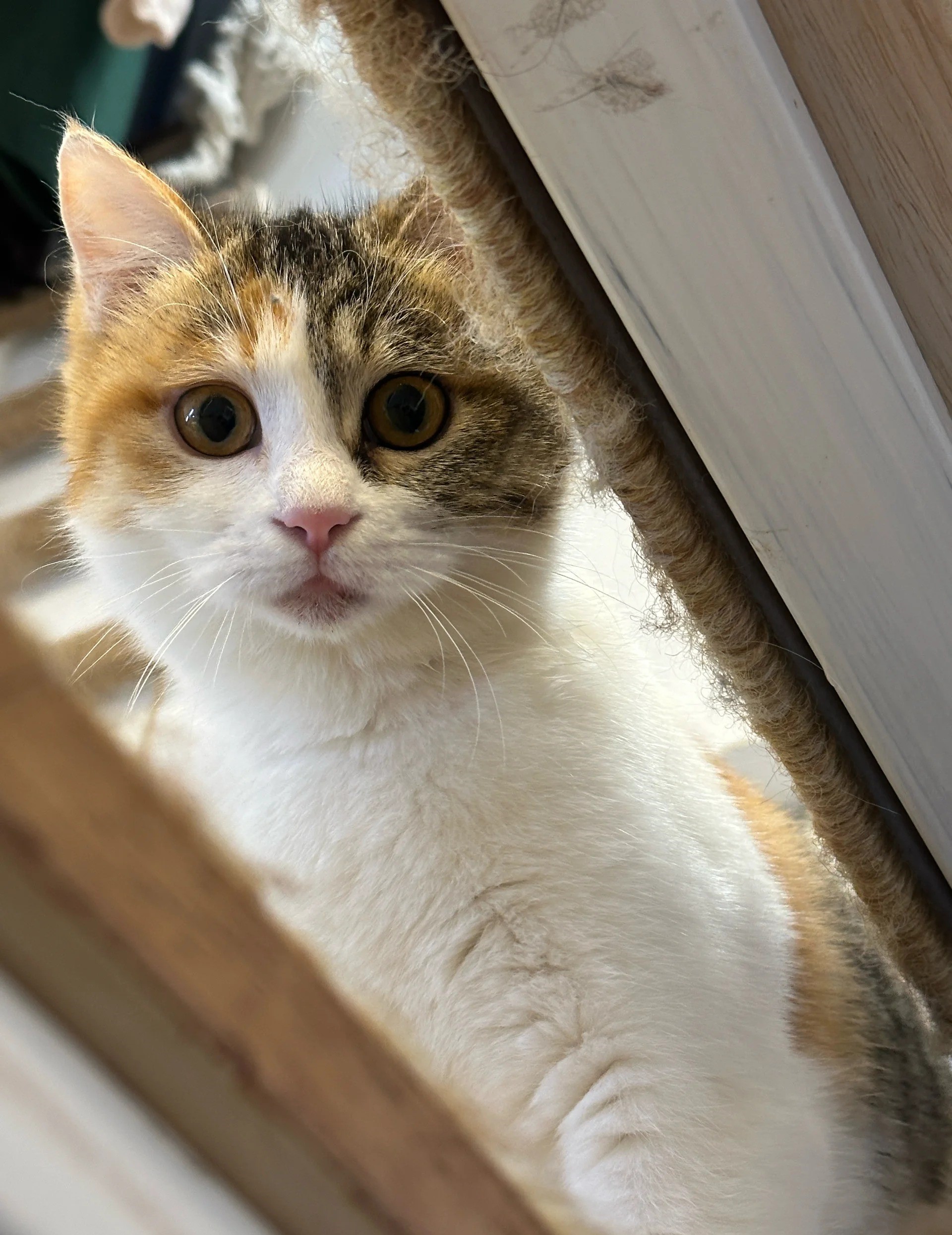
The first few months of a kitten’s life are crucial for developing their personality and future behavior. Socialization refers to the process of exposing your kitten to various people, animals, environments, sounds, and experiences in a positive way. Well-socialized kittens grow into confident, friendly adult cats who handle new situations with ease. Kittens who lack proper socialization may become fearful, anxious, or aggressive when faced with the normal challenges of daily life.
The Critical Socialization Window
The primary socialization period for kittens occurs between 2 and 7 weeks of age, though some experts extend this window to around 12 weeks. During this time, kittens are most receptive to new experiences and are forming their understanding of what is safe and normal. This is why early, positive experiences are so important—they shape how your kitten will react to the world throughout their life.
Socializing with Humans
Gentle Handling
Begin by gently handling your kitten from a young age:
- Hold them for short periods several times daily
- Touch their paws, ears, and mouth
- Get them accustomed to being examined
- Always handle with care and support
Meeting Different People
Expose your kitten to various types of people:
- People of different ages, sizes, and appearances
- People wearing hats, glasses, or uniforms
- Children who know how to handle cats gently
- Men with deep voices and beards
- Elderly individuals who move slowly and speak softly
Positive Associations
Make every human interaction positive:
- Offer treats during introductions
- Speak in calm, friendly tones
- Let the kitten approach at their own pace
- Never force interaction
Introducing Your Kitten to Other Pets
With Other Cats
If you have other cats:
- Keep them separated initially
- Exchange scents by swapping bedding
- Allow brief, supervised visual contact
- Gradually increase exposure time
- Watch for signs of stress or aggression
- Provide multiple resources to prevent competition
With Dogs
Dogs can be overwhelming for kittens:
- Ensure the dog is calm and well-trained
- Keep the kitten in a secure carrier initially
- Allow sniffing through the carrier
- Supervise all interactions closely
- Provide escape routes for the kitten
- Never leave them unsupervised together
Environmental Exposure
Sounds
Get your kitten accustomed to common household sounds:
- Vacuum cleaners
- televisions and radios
- Washing machines and dryers
- Doorbells and knocking
- Blender and kitchen appliances
- Thunderstorms (recorded or real)
Surfaces
Let your kitten explore different textures:
- Hardwood floors
- Tile and linoleum
- Carpets and rugs
- Stairs (supervised)
- Outdoor grass (in a safe area)
Spaces
Introduce various environments:
- Different rooms in your home
- Bathrooms and kitchens
- Basements and garages
- Enclosed porches or patios
- Car rides (in a secure carrier)
Handling and Grooming Introduction
Touch Training
Prepare your kitten for future handling:
- Regularly touch and examine their body
- Open their mouth gently
- Lift their lips and look at teeth
- Handle their ears and clean them
- Touch their paws and between toes
- Brush their fur, even briefly
Grooming Comfort
Get your kitten comfortable with grooming tools:
- Introduce brushes gently
- Let them sniff grooming tools
- Start with short sessions
- Reward calm behavior
- Gradually increase duration
Nail Trimming Prep
Even if you won’t be trimming nails yourself:
- Touch and manipulate their paws
- Press gently on paw pads
- Get them used to having paws handled
Handling Fear and Anxiety
Recognizing Stress
Watch for signs that your kitten is overwhelmed:
- Flattened ears
- Dilated pupils
- Hissing or growling
- Attempting to hide or flee
- Tucked tail
- Excessive meowing
Responding to Fear
When your kitten shows fear:
- Don’t force them to face the scary thing
- Give them space and time to process
- Offer treats and praise for calm behavior
- Use a calm, soothing voice
- Gradually desensitize over time
Building Confidence
Help fearful kittens gain confidence:
- Use play to build trust
- Create positive associations
- Let them succeed at challenges
- Provide hiding spots for security
- Be patient and consistent
Play and Enrichment
Interactive Play
Regular play sessions help with socialization:
- Use interactive toys like wand toys
- Play gently and appropriately
- Teach appropriate play (not biting hands)
- Include multiple daily sessions
Safe Exploration
Allow supervised exploration:
- Set up safe spaces for discovery
- Rotate toys to maintain interest
- Provide climbing and hiding opportunities
- Encourage natural kitten behaviors
The Role of the Mother Cat
If your kitten is still with their mother:
-
Allow the mother to teach appropriate behavior
-
Let kittens learn from littermates
-
Ensure gradual separation
-
The mother provides the best first socialization
When You Adopt an Older Kitten
Even if you’ve adopted a kitten past the critical period:
-
Socialization can still be effective
-
Go slowly and be patient
-
Focus on positive experiences
-
Accept that some fears may take longer to overcome
-
Consistency is key
Socialization Checklist
People:
-
Children
-
Adults of different ages
-
People with different appearances
-
Visitors to your home
Animals:
-
Other cats (if applicable)
-
Friendly, calm dogs
-
Other household pets
Experiences:
-
Car rides
-
Grooming sessions
-
Nail handling
-
Various sounds
-
Different surfaces
-
New environments
Signs of Good Socialization
A well-socialized kitten typically:
-
Approaches new people curiously
-
Handles gentle handling calmly
-
Adapts to new environments easily
-
Plays confidently with toys
-
Shows interest in their surroundings
-
Recovers quickly from minor scares
If your kitten shows extreme fear or aggression that doesn’t improve with patient socialization, displays signs of severe anxiety, has difficulty eating or using the litter box due to stress, or shows any concerning behavioral issues that concern you, please consult a veterinarian or a professional animal behaviorist for proper evaluation and guidance.