

How Do I Litter Train a Kitten
Medically Reviewed by Dr. Marcus Thorne, BVSc, Veterinary Behaviorist
Written by the SickCat Editorial Team · Updated Apr 15, 2026
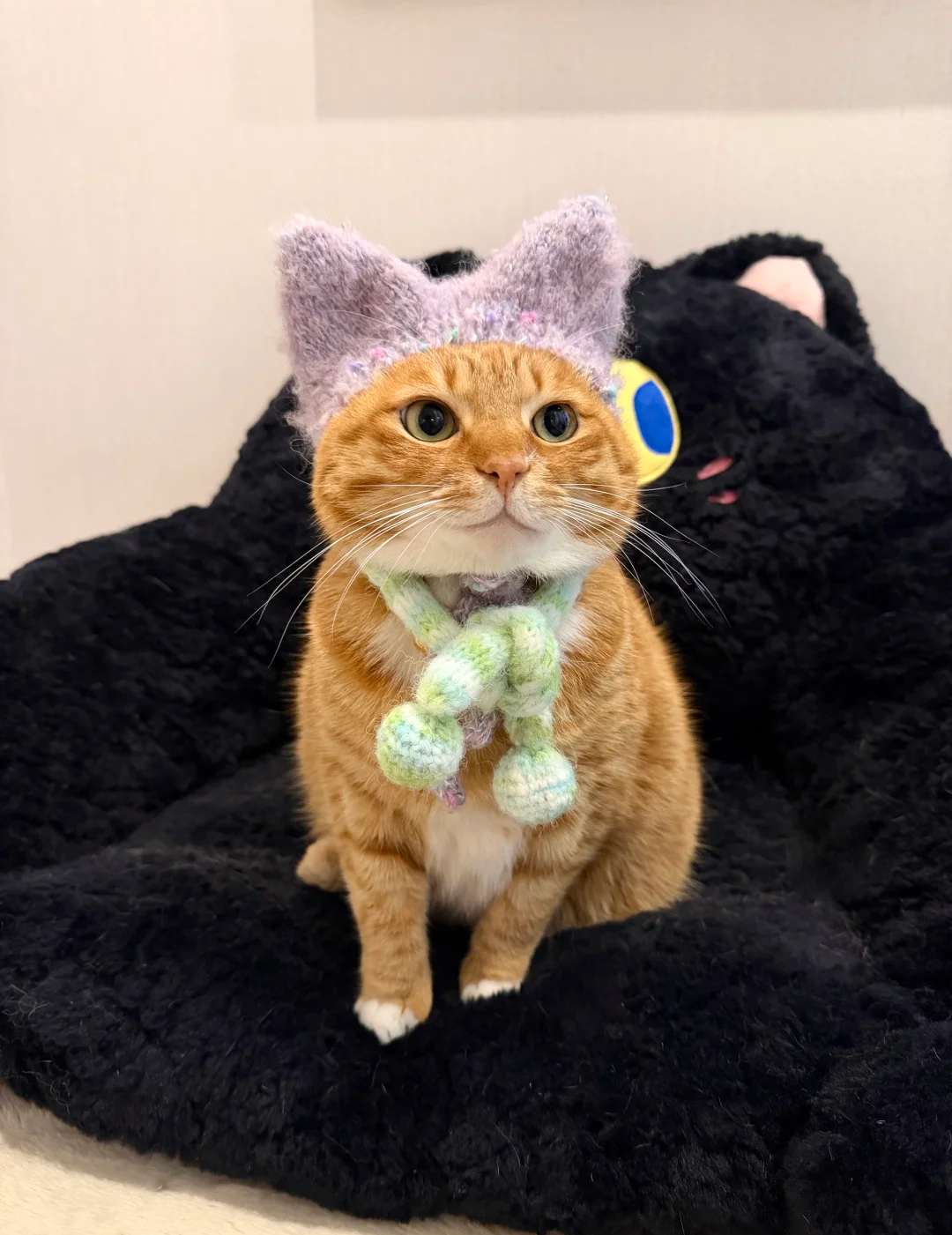
Understanding Kitten Instincts
One of the great advantages of welcoming a kitten into your home is that litter training comes naturally to them. Unlike puppies, who require extensive potty training, kittens are instinctively drawn to loose, soft materials where they can bury their waste. This behavior stems from their wild ancestors, who learned to eliminate in places where they could cover their scent from predators and prey. With the right setup and a little guidance, most kittens learn to use a litter box within days of arriving in their new home.
Choosing the Right Litter Box
Size and Depth
Kittens are small, so their litter box should be easy to enter and navigate. Choose a box with low sides that your kitten can step over comfortably. As your kitten grows, you can transition to larger, deeper boxes.
Types of Litter Boxes
Open Boxes: Standard litter pans are easy for kittens to access and allow you to monitor waste easily. They’re ideal for beginners.
Covered Boxes: While some cats prefer the privacy of covered boxes, they can be intimidating for young kittens. If using a covered box, remove the door or choose one with a very low entrance.
Self-Cleaning Boxes: These are generally not recommended for kittens. The mechanical parts can pose safety risks, and the noise may frighten young cats.
Number of Boxes
The general rule is one litter box per cat, plus one extra. For a single kitten, start with one box and add more as needed, especially if accidents occur.
Selecting the Right Litter
Clumping vs. Non-Clumping
Clumping litter is generally recommended for kittens because:
-
It forms solid clumps when wet, making daily scooping easier
-
Kittens often kick up litter during use, and clumping litter is easier to clean from paws and fur
-
It controls odor more effectively
Non-clumping litter can be used but may require more frequent complete changes and careful monitoring of waste.
Litter Depth
Fill the box with about 2-3 inches of litter. This allows your kitten to dig and cover their waste naturally without being buried too deep.
Avoiding Scented Litters
Many kittens (and cats) dislike strongly scented litter. Start with unscented, plain litter and introduce scented varieties only if your kitten shows no preference issues.
Setting Up the Litter Box Location
Ideal Locations
Place your kitten’s litter box in:
-
A quiet, low-traffic area
-
Easy-to-access location (avoid basements or remote corners)
-
Away from their food and water bowls
-
Somewhere your kitten can find easily
Locations to Avoid
-
Noisy areas near appliances (washers, dryers)
-
Direct sunlight or drafts
-
High-traffic hallways
-
Near loud or scary objects
Multiple Locations
In multi-level homes, place at least one litter box on each floor. Kittens have small bladders and need easy access.
The Training Process
Day One: Introduction
1.1.Show your kitten where the litter box is located
2.2.Place them gently in the box, letting them smell the litter
3.3.Let them explore the area around the box
4.4.Observe where they naturally want to eliminate
5.5.If they show signs of needing to go (squatting, sniffing), place them in the box immediately
The First Week
-
Keep your kitten in a limited area (one room) initially
-
Place the litter box in an easily accessible corner
-
Monitor your kitten closely, especially after meals, naps, and play
-
When you see signs of needing to eliminate, gently pick up your kitten and place them in the box
-
Praise your kitten quietly when they use the box correctly
Signs Your Kitten Needs to Go
Watch for these behaviors:
-
Kneeling or squatting
-
Sniffing the floor intensely
-
Circling or turning in place
-
Heading toward a corner or specific area
-
Meowing or showing agitation
Positive Reinforcement
-
Praise your kitten softly after successful use
-
Offer a small treat as a reward
-
Never punish your kitten for accidents—positive reinforcement works much better than punishment
Common Challenges
Accidents Outside the Box
If your kitten has accidents:
1.1.Don’t punish them—clean it up calmly
2.2.Place the cleaned accident material (on paper) in the litter box to encourage proper use
3.3.Clean accidents thoroughly with enzyme-based cleaners to remove scent
4.4.Review box placement, cleanliness, and litter type
5.5.Consider whether stress, illness, or territorial issues might be involved
Avoiding the Box
Kittens may avoid the litter box if:
-
The box is too dirty
-
The litter is too deep or too shallow
-
They don’t like the litter texture
-
The box is in a scary or noisy location
-
They’ve had a negative experience in the box
-
They associate the box with a previous accident
Kittens Eating Litter
Young kittens sometimes eat litter, which can be concerning. This behavior often resolves on its own, but:
-
Ensure your kitten is getting adequate nutrition
-
Consult your veterinarian if the behavior persists
-
Consider switching to paper-based or other non-clay litter temporarily
Keeping the Litter Box Clean
Daily Tasks
-
Scoop solid waste and clumps at least once daily
-
Add fresh litter to maintain proper level
-
Check for any unusual waste
Weekly Tasks
-
Perform a complete litter change
-
Wash the box with warm water and mild soap
-
Rinse thoroughly and dry completely
Monthly Tasks
-
Deep clean with pet-safe disinfectant
-
Replace the litter box if it shows signs of wear
When to Be Concerned
While most litter training issues are behavioral, watch for signs that may indicate health problems:
-
Blood in urine or stool
-
Straining to urinate or defecate
-
Unusually frequent or infrequent elimination
-
Watery diarrhea that continues beyond a day or two
-
Signs of pain during elimination
-
Sudden change in litter box habits in an otherwise trained kitten
Multi-Pet Household Considerations
If you have other cats:
-
Ensure each cat has their own litter box
-
Place boxes in different locations
-
Monitor interactions at the litter box
-
Make sure your kitten isn’t being bullied away from the box
Troubleshooting Tips
The box is too hard to find: Place your kitten in the box periodically, especially after meals.
The kitten prefers another spot: That spot may be ideal for a litter box. Consider moving the box there.
The kitten won’t cover waste: This is normal. Some cats don’t cover, and it doesn’t indicate a problem.
Multiple kittens: Each kitten should have their own litter box. You may also need to clean more frequently.
Signs of Successful Litter Training
Your kitten is successfully litter trained when they:
-
Consistently use the box without prompting
-
Show signs of needing to go and head to the box
-
Can go through the night without accidents
-
Appear comfortable and relaxed around the litter box
-
No longer has accidents in unexpected places
If your kitten shows persistent litter box avoidance, signs of pain during elimination, unusual waste, blood in urine or stool, or any concerning changes in elimination habits, please consult a veterinarian for proper evaluation and guidance.