

How Do I Keep My Indoor Cat Entertained
Medically Reviewed by Dr. Elena Rossi, DVM, DABVP, Feline Wellness & Preventative Care Expert
Written by the SickCat Editorial Team · Updated Apr 15, 2026
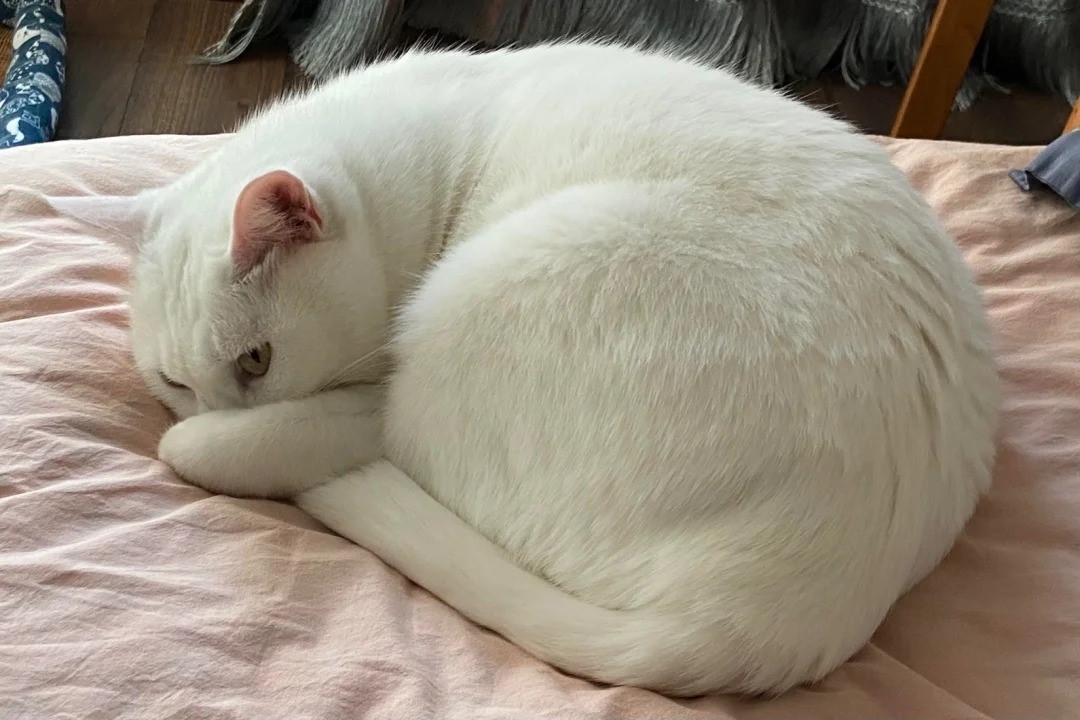
Why Indoor Cats Need Entertainment
Indoor cats may be safer from outdoor dangers, but they face a different challenge: a potentially monotonous environment. Without the stimulation of the outdoors—the birds, the insects, the changing weather—indoor cats can become bored, overweight, or develop behavioral problems. Keeping your indoor cat entertained is essential for their physical health, mental sharpness, and emotional well-being.
Interactive Play Sessions
Daily Playtime: Schedule at least two 15-minute play sessions with your cat each day. Use interactive toys like wand toys, laser pointers, or feather teasers to engage their hunting instincts.
Hunting Games: Move toys in an unpredictable pattern to mimic prey behavior. Let your cat “catch” the toy occasionally to satisfy their instinct to capture prey.
Puzzle Feeders: Instead of simply placing food in a bowl, use puzzle feeders or food-dispensing toys. This stimulates your cat’s mind while slowing down eating.
Toys That Keep Cats Engaged
Rotation System: cats can become bored with the same toys. Rotate their toy selection every few days to keep things fresh and exciting.
Solo Play Toys: Items like crinkle balls, toy mice, and battery-operated moving toys can keep cats entertained when you’re not available.
Catnip and Cat Grass: These can make toys more appealing and provide safe plant material for your cat to enjoy.
Cardboard Boxes: Surprisingly, an empty box can provide hours of entertainment. Cats love to hide, pounce, and explore boxes of all sizes.
Vertical Space and Climbing
Cats naturally enjoy being up high. Providing vertical space satisfies this instinct and expands your cat’s territory:
-
Cat trees and cat shelves
-
Tall scratching posts
-
Window perches with bird feeders outside
-
Bookshelf access (with safety considerations)
Environmental Enrichment
Window Entertainment: Position bird feeders outside windows where your cat can watch. Consider installing a bird feeder camera for extra viewing pleasure.
Rotate Scenery: Rearrange furniture occasionally to give your cat new places to explore. Create new paths and hiding spots.
Music and TV: Some cats enjoy watching nature documentaries or listening to calming music. Leave the TV on a nature channel when you’re away.
Safe Outdoor Time: Consider a catio (enclosed outdoor space) or harness training for supervised outdoor experiences.
Social Interaction
Quality Time: cats need human interaction. Spend time petting, talking to, and playing with your cat daily.
Consider a Companion: If you work long hours, consider adopting two cats so they can keep each other company. Two cats from the same litter or similar ages often bond well.
Another Pet: Some cats enjoy the company of dogs, especially if introduced properly as kittens.
Understanding Your Cat's Preferences
Every cat is unique. Some cats prefer:
-
Active play and chasing games
-
Quiet observation and watching
-
Solo entertainment or social interaction
-
Vertical climbing or ground-level activities
Observe your cat’s behavior to understand what entertains them most, and tailor your approach accordingly.
Signs of Boredom to Watch For
An under-stimulated cat may show these behaviors:
-
Excessive sleeping or lethargy
-
Overeating or obesity
-
Destructive behavior
-
Excessive meowing
-
Aggression or irritability
-
Excessive grooming or fur pulling
-
Litter box issues
Creating a Routine
cats thrive on routine. Establish consistent times for:
-
Play sessions
-
Feeding
-
Grooming
-
Quiet time
A predictable daily schedule helps cats feel secure and provides built-in entertainment.
Safe Solo Entertainment
When you’re at work or asleep:
-
Leave puzzle feeders with hidden treats
-
Provide a variety of toys at floor level
-
Create a “cat TV” with nature documentaries
-
Ensure window access for bird watching
-
Consider automated toys with timers
If your cat shows persistent signs of boredom, stress, or behavioral changes, please consult a veterinarian for proper evaluation and guidance.