

How Often Should I Brush My Cat's Fur
Medically Reviewed by Dr. Olivia Chen, DVM, Veterinary Dermatologist & Parasitologist
Written by the SickCat Editorial Team · Updated Apr 15, 2026
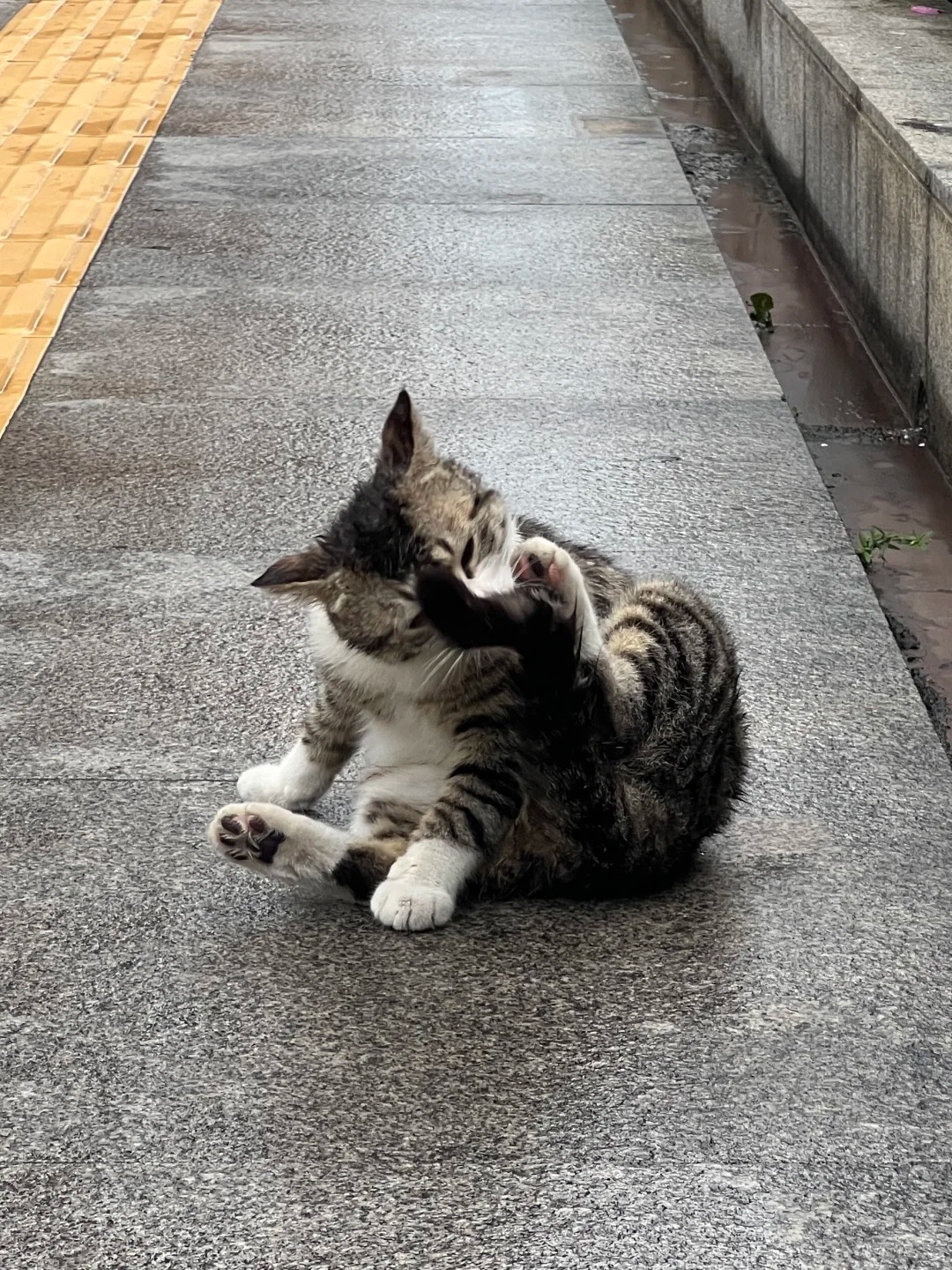
The Importance of Regular Cat Grooming
Brushing your cat’s fur is more than just keeping them looking fluffy and adorable. It’s an essential part of maintaining your feline friend’s overall health and well-being. Regular brushing helps remove loose fur, reduces hairballs, distributes natural skin oils, and allows you to check for skin problems, parasites, or unusual lumps.
How Often Should You Brush Your Cat?
The frequency of brushing depends largely on your cat’s coat type:
Short-Haired Cats
For cats with short, smooth coats (such as Siamese or Bombay cats), brushing once or twice a week is usually sufficient. These cats are generally efficient self-groomers, but weekly brushing helps remove loose fur and reduces the amount you find on your furniture.
Medium-Haired Cats
Cats with medium-length coats (like American Shorthairs or Cornish Rex) benefit from brushing two to three times per week. This helps prevent matting in areas like the chest, belly, and behind the ears where tangles commonly form.
Long-Haired Cats
Long-haired breeds (such as Persians, Maine Coons, or Ragdolls) require the most attention. Daily brushing is ideal to prevent painful mats and hairballs. Without daily care, their fur can become severely tangled within just a few days.
Kittens and Senior Cats
Kittens generally need less grooming assistance, but getting them used to brushing early is beneficial. Senior cats may need more frequent brushing as they often have difficulty grooming themselves due to arthritis or reduced flexibility.
Benefits of Regular Brushing
Reduces Hairballs: When cats groom themselves, they swallow loose fur. Regular brushing significantly reduces the amount of fur your cat swallows, leading to fewer hairballs.
Prevents Matting: Tangled fur can be painful and lead to skin irritation or infection if left untreated.
Strengthens Your Bond: Brushing sessions provide quality one-on-one time with your cat and can be a calming experience for both of you.
Promotes Healthy Skin: Brushing stimulates blood circulation and helps distribute natural oils throughout the coat.
Early Problem Detection: Regular grooming sessions allow you to notice changes in your cat’s skin, coat, or body condition early.
Choosing the Right Brush
Different coat types benefit from different tools:
-
Slicker brushes: Great for removing tangles in medium to long fur
-
Bristle brushes: Ideal for short-haired cats
-
Rubber grooming gloves: A gentle option for cats who dislike traditional brushes
-
Steel combs: Useful for working through and preventing mats
Tips for Successful Grooming
-
Start slow and keep sessions short, especially with kittens or cats unfamiliar with brushing
-
Be gentle around sensitive areas like the belly and paws
-
Never force brushing on a resistant cat—this can create negative associations
-
Reward your cat with treats and praise during and after grooming
-
If you encounter severe mats, consider having them professionally groomed rather than attempting to cut them out yourself
When Brushing Reveals Problems
During brushing sessions, pay attention to:
-
Excessive scratching or skin irritation
-
Bald patches or unusual fur loss
-
Fleas, ticks, or other parasites
-
Lumps, bumps, or skin abnormalities
-
Changes in skin color or texture
If you notice any of these signs or any other concerning changes in your cat’s skin or coat, please consult a veterinarian for proper evaluation and guidance.