

How Do I Trim My Cat's Nails Safely
Medically Reviewed by Dr. Olivia Chen, DVM, Veterinary Dermatologist & Parasitologist
Written by the SickCat Editorial Team · Updated Apr 15, 2026
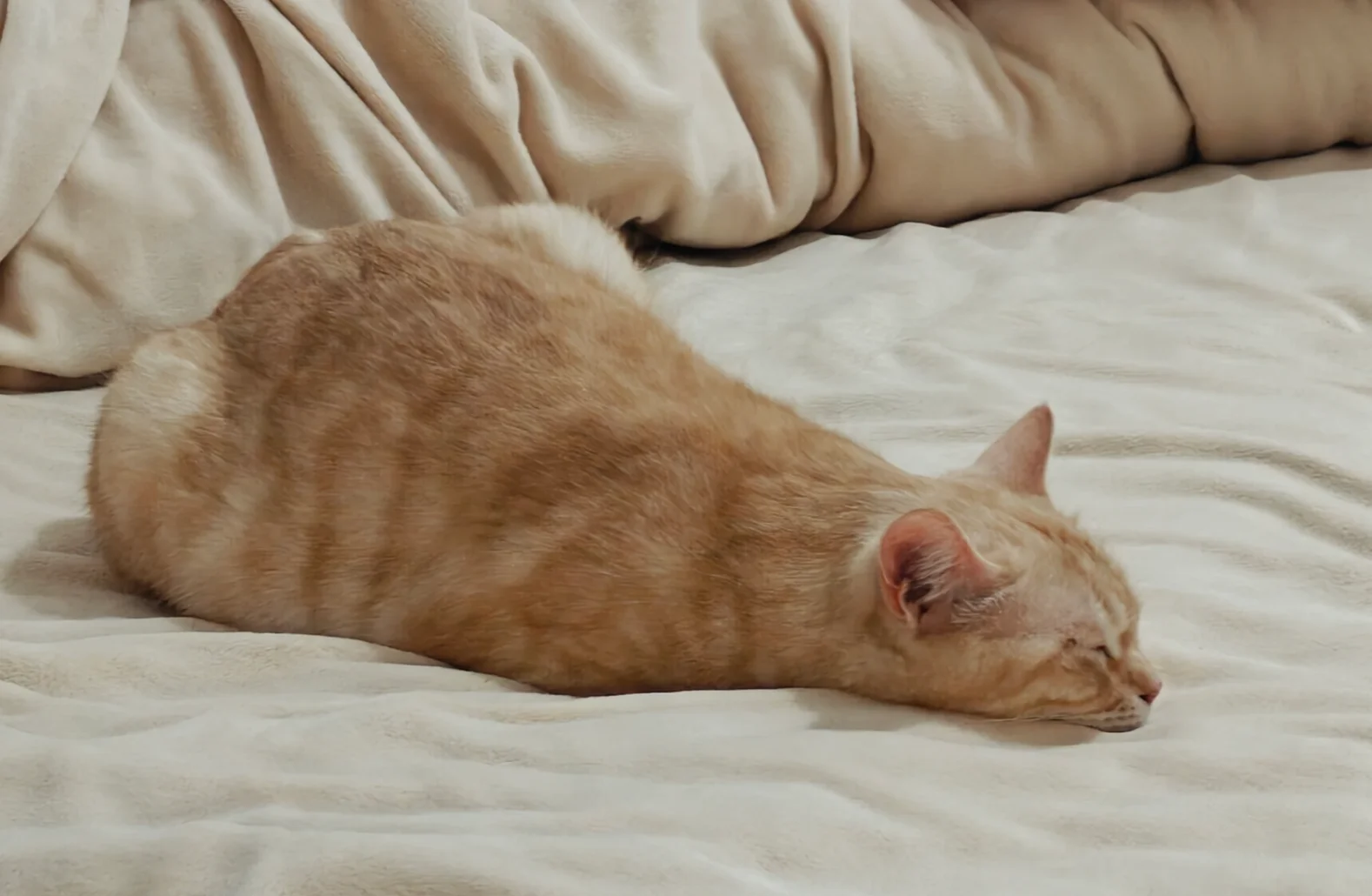
A Comprehensive Guide to Feline Nail Care
Nail trimming is an essential part of cat care that many owners find daunting. The combination of wriggling cats, sharp claws, and the fear of causing pain makes this grooming task one of the most avoided. However, regular nail trimming protects your furniture, reduces the risk of painful overgrown nails, and prevents serious injuries from ingrown claws. With proper technique and gradual training, most cats can learn to tolerate—or even accept—regular nail maintenance.
Why Regular Nail Trimming Matters
Cat nails grow continuously throughout their lives, similar to human fingernails. In the wild, cats naturally wear down their claws through scratching and activity. Domestic cats, especially those who live primarily indoors, lack these natural wear mechanisms.
Overgrown nails can curl back into the paw pad, causing pain and infection. Long nails also catch on fabric, carpet, and other surfaces, potentially causing torn nails or injuries when the cat tries to free themselves. Senior cats are particularly vulnerable, as thickened nails become more brittle and prone to splitting.
Regular trimming also reduces the damage cats can do to furniture, curtains, and other household items. Shorter nails simply cannot shred fabric as effectively as long ones.
Understanding Cat Nail Anatomy
Before trimming, understanding basic nail anatomy prevents painful mistakes.
A cat’s nail has an outer shell that surrounds an inner tissue called the quick. The quick contains blood vessels and nerves—it is essentially the living part of the nail. Cutting into the quick causes pain and bleeding, much like cutting into a human fingertip.
In cats with light-colored nails, the quick appears as a pink area within the nail. Dark nails make it impossible to see the quick, requiring extra caution and conservative trimming.
Cat nails also retract into the paw when not in use. Learning to gently extend the nails by applying pressure to the top of the paw allows access for trimming.
Choosing the Right Tools
Proper equipment makes nail trimming safer and easier.
Scissor-style nail clippers work well for most cats. These resemble small scissors with curved blades designed specifically for trimming nails. The curved blade follows the natural shape of the nail.
Guillotine-style clippers feature a hole where you insert the nail, with a blade that slides across to cut. Some cats do better with these than scissor-style clippers.
Electric nail grinders file nails rather than cut them. These work well for smoothing edges but require more time and may startle cats with the sound and vibration.
Always use tools designed specifically for cats. Human nail clippers can crush or split cat nails, causing pain and potential injury.
Getting Your Cat Comfortable
Many cats resist nail trimming because they are not accustomed to paw handling. Building tolerance gradually makes the actual trimming much easier.
Start by gently touching your cat’s paws during relaxed moments. Reward any tolerance with treats. Gradually work toward pressing the paw pad to extend the claws, always pairing the handling with positive reinforcement.
Let your cat inspect the nail clippers before attempting any trimming. Cats who are fearful of unfamiliar objects benefit from sniffing and investigating the tools first.
Consider trimming nails during a calm time when your cat is already relaxed, such as after a satisfying meal or a play session.
The Trimming Process
With preparation complete, proper technique ensures safe trimming.
Have treats ready to reward your cat throughout and after the process. Work in a comfortable space where you and your cat feel at ease.
Hold your cat securely but gently. Some cats do well in your lap, while others prefer being held against your body. Wrapping anxious cats loosely in a towel can provide security while leaving paws accessible.
Gently extend one nail by pressing the paw pad. Position the clipper perpendicular to the nail, about two millimeters below the visible quick.
Make a single, quick cut rather than sawing or hesitating, which can splinter the nail. For dark nails where you cannot see the quick, trim only the sharp tips, removing the hooked portion that causes damage.
Continue with several nails, rewarding your cat periodically. If your cat becomes agitated, end the session and try again later rather than forcing continued cooperation.
Managing the Quick
Avoiding the quick requires attention and conservative trimming.
For light nails, visible pink indicates the quick’s location. Trim only the translucent portion beyond this pink area, leaving a margin
A Guide to Protecting Both You and Your Feline Friend
Nail trimming is an essential part of cat care that many owners find daunting. Understanding how to trim your cat’s nails safely protects both you from scratches and your cat from injury or stress. With proper technique and gradual training, most cats can learn to tolerate or even accept regular nail maintenance.
Why Regular Nail Trimming Matters
Cat nails grow continuously and can become overgrown, leading to several potential problems. Overgrown nails may curl back into the paw pads, causing pain and infection. They can also catch on fabric, carpet, and furniture, potentially causing injury when cats attempt to free themselves.
Regular trimming keeps nails at a comfortable length and allows you to notice any abnormalities early. This routine maintenance helps prevent ingrown nails, reduces damage to furniture, and minimizes the risk of scratches to family members.
Understanding Cat Nail Anatomy
Before trimming, understanding the basic structure of cat nails helps prevent injury. Cat nails have a visible outer shell called the keratin sheath and an inner portion called the quick. The quick contains blood vessels and nerves, and cutting into it causes pain and bleeding.
In cats with light-colored nails, the quick appears pink and is clearly visible. Dark nails make the quick harder to see, requiring extra care to avoid it. In general, you should only trim the sharp, curved tip of the nail.
Choosing the Right Nail Clippers
Several types of nail clippers work well for cats, each with distinct advantages.
Scissor-style clippers work like scissors with curved blades designed to fit around nails. These work well for small to medium cats and provide clean cuts.
Guillotine-style clippers have a hole where you insert the nail, and a blade that slides across to cut. These require careful positioning but produce clean cuts.
Human nail clippers, particularly the large-size versions, actually work surprisingly well for cat nails. Many cat owners find these familiar and easy to control.
Whatever style you choose, ensure the blades are sharp. Dull clippers crush rather than cut, which is painful for cats and increases the chance of splitting the nail.
Creating a Positive Experience
Building positive associations with nail trimming from an early age makes the process much easier for both of you. Kittens who experience gentle nail handling during their early weeks typically accept trimming readily as adults.
For adult cats who have never had their nails trimmed, introducing the process gradually helps. Begin by simply touching your cat’s paws during relaxed moments. Reward any tolerance of paw handling with treats. This foundation of trust makes actual trimming much less stressful.
Never rush the introduction process. Some cats need weeks of gradual handling before they are ready for actual trimming. Patience during this phase pays dividends later.
The Trimming Process
With proper preparation, the actual trimming becomes straightforward.
Find a comfortable position for both you and your cat. Some cats do well in a lap wrapped in a towel, while others prefer sitting on a elevated surface. Choose whatever position keeps your cat calm and gives you clear access to the paws.
Gently press the pad to extend the claws. This reveals the nail clearly and allows you to see where the nail ends and the quick begins.
Identify the quick before cutting. For light nails, look for the pink area. For dark nails, estimate by leaving at least two millimeters of nail beyond where you might otherwise cut.
Cut only the sharp, curved tip at a slight angle. Avoid cutting into the quick, which appears as a pinkish area in light nails. If your cat has dark nails, cut conservatively.
Take breaks if your cat becomes anxious. Attempting to trim all nails in one session overwhelms many cats. Trimming a few nails per day distributes the stress and makes the overall process easier.
Managing Accidents
Even with careful technique, accidents occasionally happen. If you cut the quick, remain calm. Press a styptic powder or cornstarch against the bleeding nail to stop the bleeding. The bleeding usually stops within a few minutes.
If bleeding does not stop or you are uncertain about any injury, professional guidance provides reassurance and proper treatment.
How Often to Trim
Most cats benefit from nail trimming every two to three weeks. The exact frequency depends on your cat’s nail growth rate and lifestyle. Indoor cats typically need more frequent trimming because scratching on scratching posts wears their nails differently than outdoor activity would.
Checking nail length monthly helps establish a routine. When you can hear your cat’s nails clicking on hard floors, they are likely too long and ready for trimming.
Alternatives and Supplements
Regular scratching post use helps maintain nail condition by removing outer nail sheaths. However, scratching posts do not replace the need for trimming in most cats.
Nail caps, small vinyl caps glued over the nails, provide an alternative for cats who absolutely cannot tolerate trimming. These caps fall off with the natural nail growth every few weeks and require replacement.
This article is for educational purposes only and does not constitute medical advice. If your pet shows any signs of illness, discomfort, or behavioral changes, please consult a veterinarian.