

How Do I Bathe My Cat Without Getting Scratched
Medically Reviewed by Dr. Olivia Chen, DVM, Veterinary Dermatologist & Parasitologist
Written by the SickCat Editorial Team · Updated Apr 15, 2026
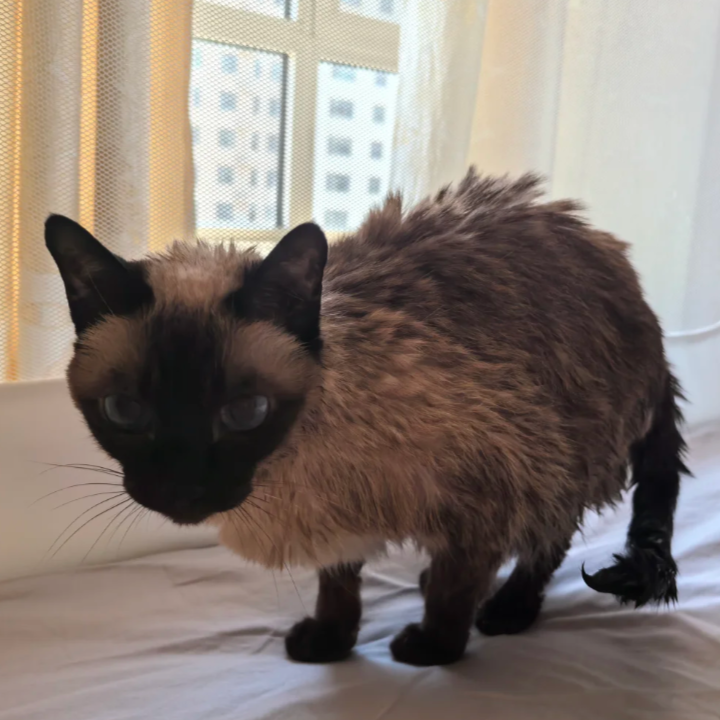
Safe Techniques for Bathing Your Reluctant Feline
Bathing a cat is an experience that strikes fear into the hearts of many cat owners. The combination of water, a reluctant cat, and the potential for scratches makes this task seem daunting. However, there are situations where bathing becomes necessary, and learning techniques to minimize scratches benefits both cats and their owners. With proper preparation and gentle handling, even the most resistant cat can be bathed safely.
Understanding Why Cats Resist Bathing
Before discussing technique, understanding why cats resist bathing helps owners approach the task with empathy. Cats have a strong aversion to becoming wet because wet fur loses its insulating properties, making cats vulnerable to temperature changes. In the wild, wet fur could mean dangerous hypothermia.
Additionally, cats rely on their sense of balance, which is disrupted when fur becomes waterlogged. This sensation of being weighed down feels disorienting and threatening to cats. The unfamiliar sound and sensation of running water also triggers suspicion and fear in many cats.
Preparation: The Key to Success
Proper preparation dramatically reduces the likelihood of scratches and stress for everyone involved.
Gather all supplies before beginning. You will need cat-specific shampoo, towels, a basin or sink with lukewarm water, cotton balls for ears, and a non-slip mat for the bathing surface. Having everything ready means you won’t need to leave your cat unattended mid-bath.
Trim your cat’s nails a day or two before bathing if possible. Shorter nails cause less damage even if scratching occurs. This preparation can make a significant difference in the experience for both parties.
Choose an appropriate location. A basin or sink works well for most cats. Ensure the space is small enough that you can maintain control without feeling crowded.
During the Bath
Several techniques help keep both you and your cat safe during bathing.
Keep the water level low. Cats feel more secure when water barely covers their feet. A few inches of lukewarm water in a basin provides enough for cleaning without overwhelming your cat.
Support your cat’s body throughout the process. One hand should always be present under your cat’s chest, providing stability and reassurance. This physical contact helps some cats feel more secure.
Speak in calm, soothing tones throughout. Your cat responds to your voice, and a reassuring tone can help ease anxiety. Avoid sudden movements or loud noises that might startle an already stressed cat.
Work quickly but gently. Extended baths increase stress for everyone. Prepare to complete the entire process in ten to fifteen minutes once you begin.
Protect sensitive areas. Place cotton balls loosely in your cat’s ears to prevent water entry, which many cats find distressing. Avoid getting water in ears, eyes, and nose when rinsing.
Handling Resistance
Even with perfect preparation, some cats resist bathing. Knowing how to respond prevents escalation.
If your cat struggles, pause but don’t release them. Holding your cat securely but gently during struggles prevents escape attempts that often lead to scratches. Speak soothingly and wait for your cat to calm before continuing.
Consider enlisting help for resistant cats. A second person can help steady your cat while you handle the bathing. One person can focus on keeping the cat secure while the other manages the water and shampoo.
Never punish your cat for struggling. This increases fear and makes future baths more difficult. The goal is to create the least negative association possible with the bathing experience.
After the Bath
How you handle post-bath time affects future bathing experiences.
Wrap your cat immediately in a warm towel. Gently squeeze water from their fur rather than rubbing vigorously, which can tangle fur and irritate skin.
Keep your cat in a warm room until completely dry. Wet cats chill easily and should not be allowed in drafty areas. A hairdryer on the lowest, coolest setting can help for cats who tolerate it, but many cats find the sound frightening.
Offer treats and praise after the bath. Positive reinforcement helps create better associations with bathing over time.
This article is for educational purposes only and does not constitute medical advice. If your pet shows any signs of illness, discomfort, or behavioral changes, please consult a veterinarian.