

Why Does My Cat Stare at the Wall
Medically Reviewed by Dr. Marcus Thorne, BVSc, Veterinary Behaviorist
Written by the SickCat Editorial Team · Updated Apr 15, 2026
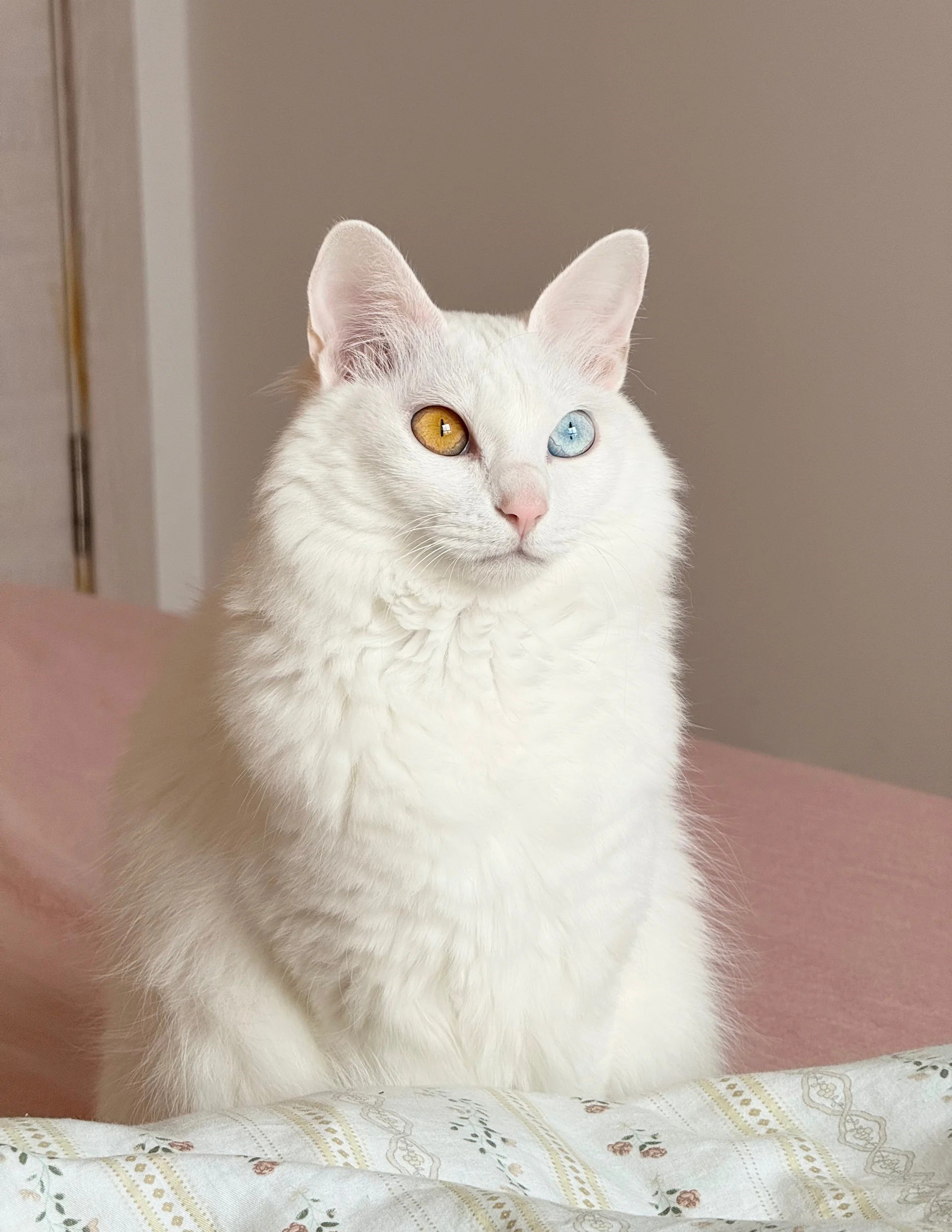
Understanding This Common but Mysterious Cat Behavior
If you’ve ever noticed your cat sitting motionless, fixated on a seemingly empty wall, you might have wondered what could possibly hold their attention so thoroughly. This behavior can seem mysterious, amusing, or even unsettling to cat owners. While wall-staring might appear paranormal or concerning, there are usually quite logical explanations rooted in feline sensory abilities and natural behaviors.
Superior Sensory Perception
Cats possess sensory abilities that far exceed human capabilities in certain areas, and this explains much of their wall-staring behavior.
Cats can hear frequencies far beyond human detection, including sounds from within walls. Pipes running through wall cavities, electrical wiring, or insects moving behind drywall can all produce sounds audible only to cats. What appears to us as staring at nothing is often your cat detecting and focusing on subtle noises we cannot perceive.
Cats also have exceptional peripheral vision. A cat’s visual field extends to nearly 200 degrees compared to a human’s 180 degrees. They detect the slightest movements in their peripheral vision that would be invisible to us. A shadow shifting on a wall, dust particles catching light, or a spider building a web in the corner might all capture your cat’s complete attention.
Detecting Hidden Activity
Behind seemingly blank walls, all sorts of activity occurs that cats can sense.
Pest activity represents a common trigger for wall-staring. Mice or insects moving within wall spaces create sounds and vibrations that draw your cat’s attention. If your cat suddenly starts staring at a particular wall section, they may be tracking something you cannot hear or see.
Plumbing creates sounds within walls that cats can hear but humans often cannot. The movement of water through pipes, especially at certain times of day, can capture feline attention completely.
Structural settling produces subtle sounds and movements that cats detect. Small shifts in building materials or the expansion and contraction of structures create inputs that interest cats.
Normal Feline Behavior
For cats, wall-staring represents completely normal behavior. Cats are naturally observant creatures who spend considerable time monitoring their environment. This vigilance served survival purposes in the wild and remains instinctive in domestic cats.
During wall-staring episodes, cats are essentially conducting environmental surveillance. They are alert to any changes or movements in their territory, even those occurring within walls. This behavior should be understood as your cat being a good guardian rather than exhibiting strange conduct.
Cats also enter states of deep concentration that might look like staring to humans. What appears to be focused wall-staring might actually be your cat in a meditative or daydreaming state, simply processing their environment or their thoughts.
When Staring Might Indicate Concern
While most wall-staring is normal, certain patterns warrant observation.
If your cat suddenly begins staring at walls obsessively and cannot be redirected, this might indicate discomfort. Cognitive changes in aging cats can sometimes manifest as increased staring behavior. In very rare cases, vision problems might cause cats to stare at surfaces as they try to focus.
However, occasional wall-staring with normal responsiveness to surroundings represents typical feline behavior and does not indicate problems.
Differences Between Normal and Problematic Staring
Understanding the distinction helps cat owners respond appropriately.
Normal wall-staring is occasional, your cat remains responsive to their name and surroundings, they can be distracted with treats or toys, and their overall behavior remains consistent.
Concerning staring patterns include staring that seems compulsive or unbreakable, staring accompanied by head pressing, vocalizing at the wall, disorientation, or changes in daily patterns.
Responding to Wall-Staring
Most wall-staring requires no response from owners. Your cat is simply being a cat, using senses that work differently from yours.
If you want to investigate, you might check for insects or pest activity around the area your cat favors. Look for any signs that might indicate structural issues worth addressing.
Avoid reinforcing attention-seeking behavior by reacting dramatically to wall-staring. Simply ignoring the behavior while providing adequate play and enrichment supports healthy feline behavior.
This article is for educational purposes only and does not constitute medical advice. If your pet shows any signs of illness, discomfort, or behavioral changes, please consult a veterinarian.