

Why Does My Cat Stare at Me
Medically Reviewed by Dr. Marcus Thorne, BVSc, Veterinary Behaviorist
Written by the SickCat Editorial Team · Updated Apr 15, 2026
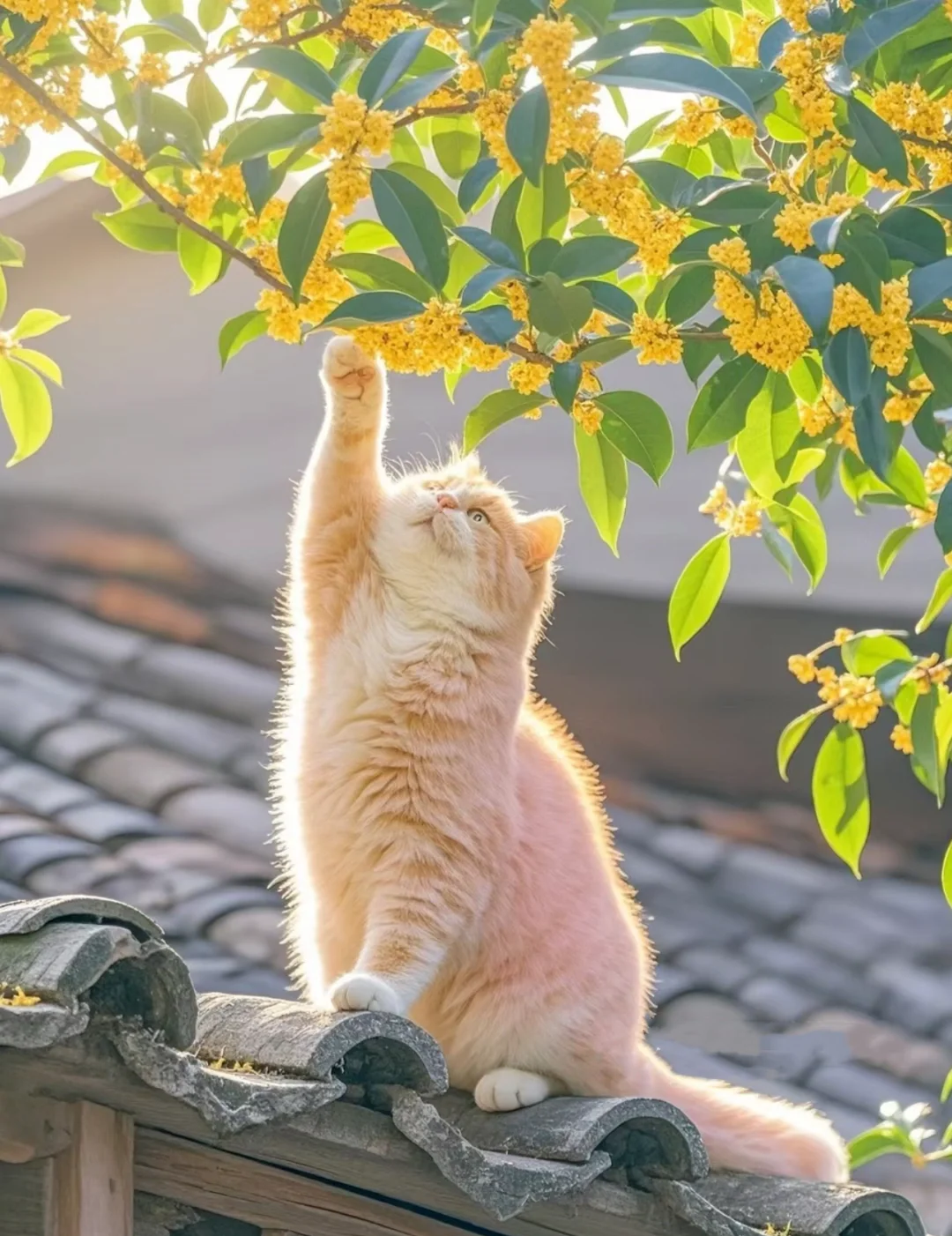
Decoding the Meaning Behind Your Cat's Gaze
Few things feel quite as intense as being on the receiving end of your cat’s unwavering gaze. Whether your feline friend is watching you from across the room with wide eyes or fixedly observing your every move, this behavior can seem mysterious, endearing, or even unsettling depending on the context. Understanding why cats stare helps owners better read their pets’ intentions and respond appropriately.
A Natural Form of Communication
In the feline world, staring serves as a primary method of communication. Cats use eye contact to convey messages, establish relationships, and navigate social interactions with both other cats and their human companions. Unlike humans who might find prolonged eye contact uncomfortable, cats have different social rules around this behavior.
Wild cats use staring as part of territorial displays and threat assessment. Domestic cats retain these instincts but have adapted them to life with humans, turning what was once a purely survival-based behavior into a nuanced form of communication.
Different Types of Cat Stares
Not all staring means the same thing. The context and accompanying body language help reveal what your cat is trying to communicate.
Relaxed, Affectionate Staring
When your cat stares at you with half-closed eyes and a relaxed body posture, this often indicates contentment and affection. Cats sometimes express love through extended eye contact, seeing you as a source of safety and comfort. This type of staring is a compliment—your cat feels bonded to you.
Curious Observation
Cats are naturally curious creatures who observe their environment to understand what is happening. Your cat might stare at you simply because you are doing something interesting—preparing food, typing on a keyboard, or moving around the house. This observational staring satisfies their curiosity about the world.
Anticipation and Request
A cat staring at you while looking toward their food bowl, the door, or their favorite toy is using eye contact to communicate a desire or need. Cats quickly learn that staring gets human attention. This practical communication has been reinforced over generations of cohabitation with humans.
Anxiety or Assessment
When cats feel uncertain about their environment, they may stare to assess potential threats. This stare often accompanies a tense body posture, dilated pupils, and ears positioned to catch sounds. Your cat might be watching for changes or evaluating whether something poses a danger.
The Slow Blink Connection
One particularly meaningful feline behavior involving eye contact is the slow blink. When a cat looks at you and deliberately closes and opens their eyes slowly, this signals trust and contentment. Often called cat kisses, slow blinks indicate that your cat feels safe enough to close their eyes in your presence.
Responding to your cat’s slow blinks with your own slow blinks can strengthen your bond. This mutual eye contact creates positive associations and reinforces the trusting relationship between you.
Why Unbroken Staring Feels Uncomfortable
Even though staring can be positive from a cat’s perspective, many humans find prolonged eye contact uncomfortable. This reaction makes sense—human social norms typically discourage extended staring. When your cat stares at you, you might feel uncertain about what they want or anxious about what might happen next.
Understanding that your cat’s staring usually has a benign purpose can help ease this discomfort. Unlike aggressive staring from an unfamiliar person, your cat’s gaze typically stems from curiosity, affection, or communication rather than threat.
When Staring Might Indicate Concern
While most staring is normal, certain patterns might warrant closer attention.
Sudden increases in staring behavior, particularly if accompanied by other behavioral changes, could signal that something is bothering your cat. A cat who never stared much before and suddenly won’t stop looking at you—or looking away from you—might be experiencing stress or discomfort.
Staring accompanied by other concerning signs such as changes in appetite, hiding more than usual, aggression, or lethargy might indicate issues worth discussing with a professional.
However, occasional staring throughout the day remains completely normal feline behavior and does not inherently indicate problems.
Responding to Your Cat's Staring
How you respond to your cat’s staring can affect your relationship and their behavior.
Acknowledging your cat with a gentle greeting or slow blink reinforces positive communication. Getting up to attend to your cat’s needs when appropriate shows that staring is an effective way to communicate.
Avoid staring back if the staring seems aggressive or threatening—this can escalate the situation. Instead, look away calmly and give your cat space if their body language suggests they need it.
This article is for educational purposes only and does not constitute medical advice. If your pet shows any signs of illness, discomfort, or behavioral changes, please consult a veterinarian.