

Why Does My Cat Run Around Wildly
Medically Reviewed by Dr. Marcus Thorne, BVSc, Veterinary Behaviorist
Written by the SickCat Editorial Team · Updated Apr 15, 2026
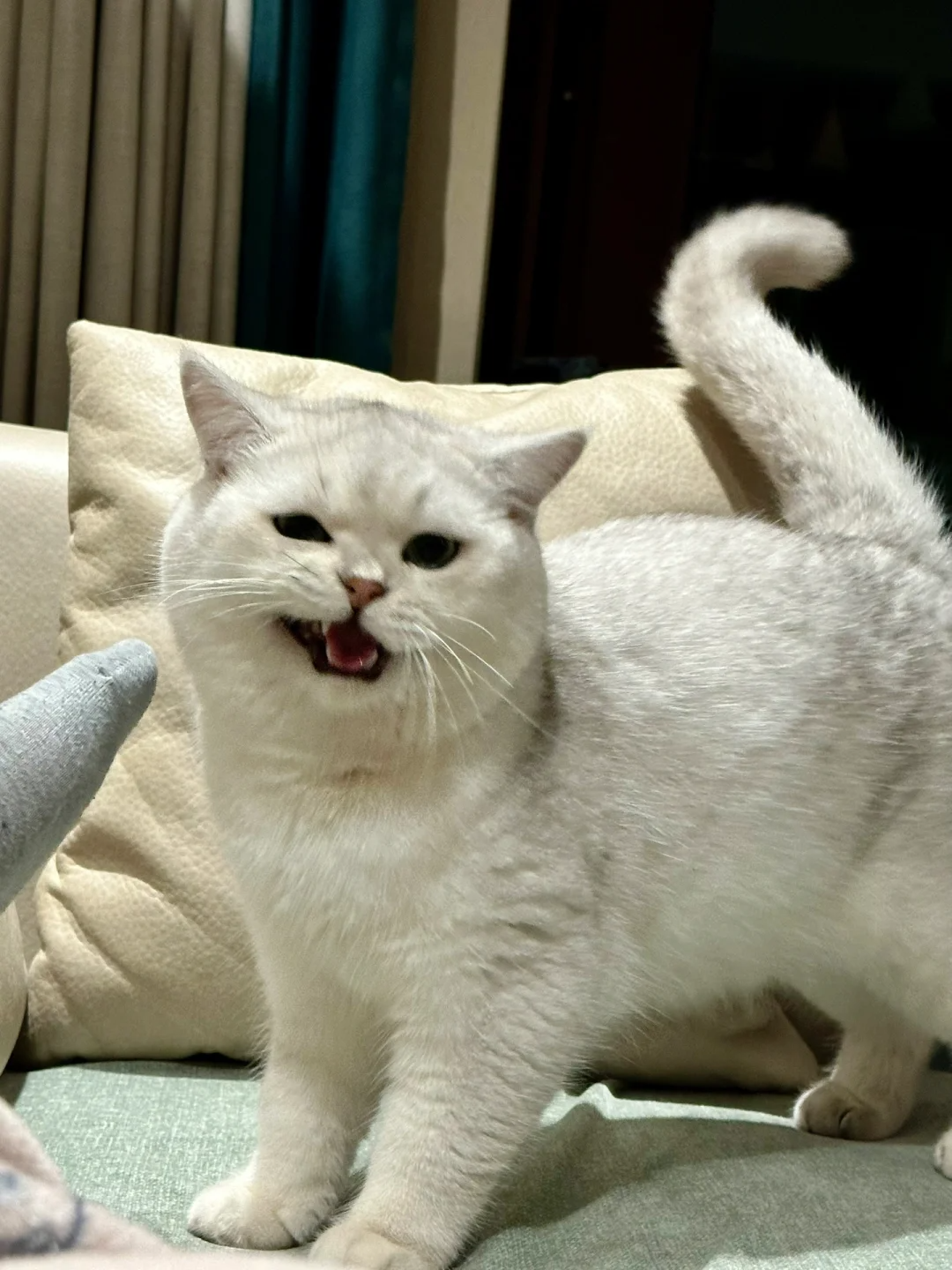
Understanding Feline Zoomies and Sudden Energy Bursts
If you’ve ever been startled by your seemingly peaceful cat suddenly launching off the couch and racing through the house at top speed, you’re not alone. This frantic behavior, commonly called “zoomies” among cat owners, is a well-known feline phenomenon. While it can be surprising—or even alarming—at first, understanding why cats experience these sudden energy bursts helps owners recognize this as a normal part of cat behavior.
What Are the Zoomies
The zoomies refer to sudden bursts of energy where cats run, leap, and dash around the house with no clear purpose. During these episodes, cats may sprint from room to room, jump on furniture, make sharp turns, and appear almost frantic. These episodes typically last anywhere from a few seconds to several minutes and often end as suddenly as they began.
The Hunting Instinct Connection
One primary explanation for zoomies lies in cats’ natural hunting instincts. Cats are hardwired predators, and even well-fed domestic cats retain the biological imperative to hunt, stalk, and chase. In the wild, this behavior serves to catch prey and survive.
In a home environment, that pent-up hunting energy needs an outlet. Without opportunities to hunt, cats accumulate excess energy that eventually demands release. The zoomies represent an instinctive burst of predatory behavior—the cat is essentially running through a simulated hunt.
Time of Day Patterns
Many cats experience zoomies at predictable times, particularly in the evening and late night hours. This pattern reflects cats’ crepuscular nature—they are naturally most active during dawn and dusk, the times when their prey animals are also most active.
Evening zoomies often occur after dinner, when a cat’s energy peaks following a satisfying meal. The combination of restored energy and hunting instincts creates the perfect conditions for a spontaneous sprint through the house.
Energy Accumulation and Release
Modern indoor cats often lack the stimulation and exercise their wild counterparts receive. Without sufficient play, hunting opportunities, or exploration, cats build up energy that must eventually escape.
When the energy threshold is reached, even small triggers can spark a zoomie episode. A dust mote floating through a sunbeam, a shadow on the wall, or no apparent stimulus at all can set off a racing spree.
Post-Litter Box Zoomies
One of the most common times for zoomies to occur is immediately after using the litter box. This behavior seems tied to a cat’s natural instinct to move quickly after eliminating, a behavior designed in the wild to distance themselves from their scent to avoid attracting predators.
While it might seem odd to humans, the post-litter box sprint is perfectly normal behavior and actually indicates good litter box habits.
When to Pay Attention
While zoomies are generally normal, certain patterns warrant observation. Extremely frequent or prolonged episodes might suggest your cat needs more regular exercise and stimulation. If zoomies are accompanied by signs of distress, if your cat seems unable to settle afterward, or if the behavior seems compulsive, these could indicate underlying stress or anxiety that might benefit from environmental adjustments.
However, occasional zoomies in an otherwise healthy, happy cat are nothing to worry about—they’re simply your cat expressing natural feline energy.
Supporting Healthy Energy Release
If zoomies become excessive or occur at inconvenient hours, increasing your cat’s opportunities for exercise can help. Regular interactive play sessions that mimic hunting, puzzle feeders that engage your cat mentally, and environmental enrichment like climbing spaces and hiding spots can help distribute energy release throughout the day rather than allowing it to accumulate.
This article is for educational purposes only and does not constitute medical advice. If your pet shows any signs of illness, discomfort, or behavioral changes, please consult a veterinarian.