

What Enrichment Activities Can I Do with My Indoor Cat
Medically Reviewed by Dr. Marcus Thorne, BVSc, Veterinary Behaviorist
Written by the SickCat Editorial Team · Updated Apr 15, 2026
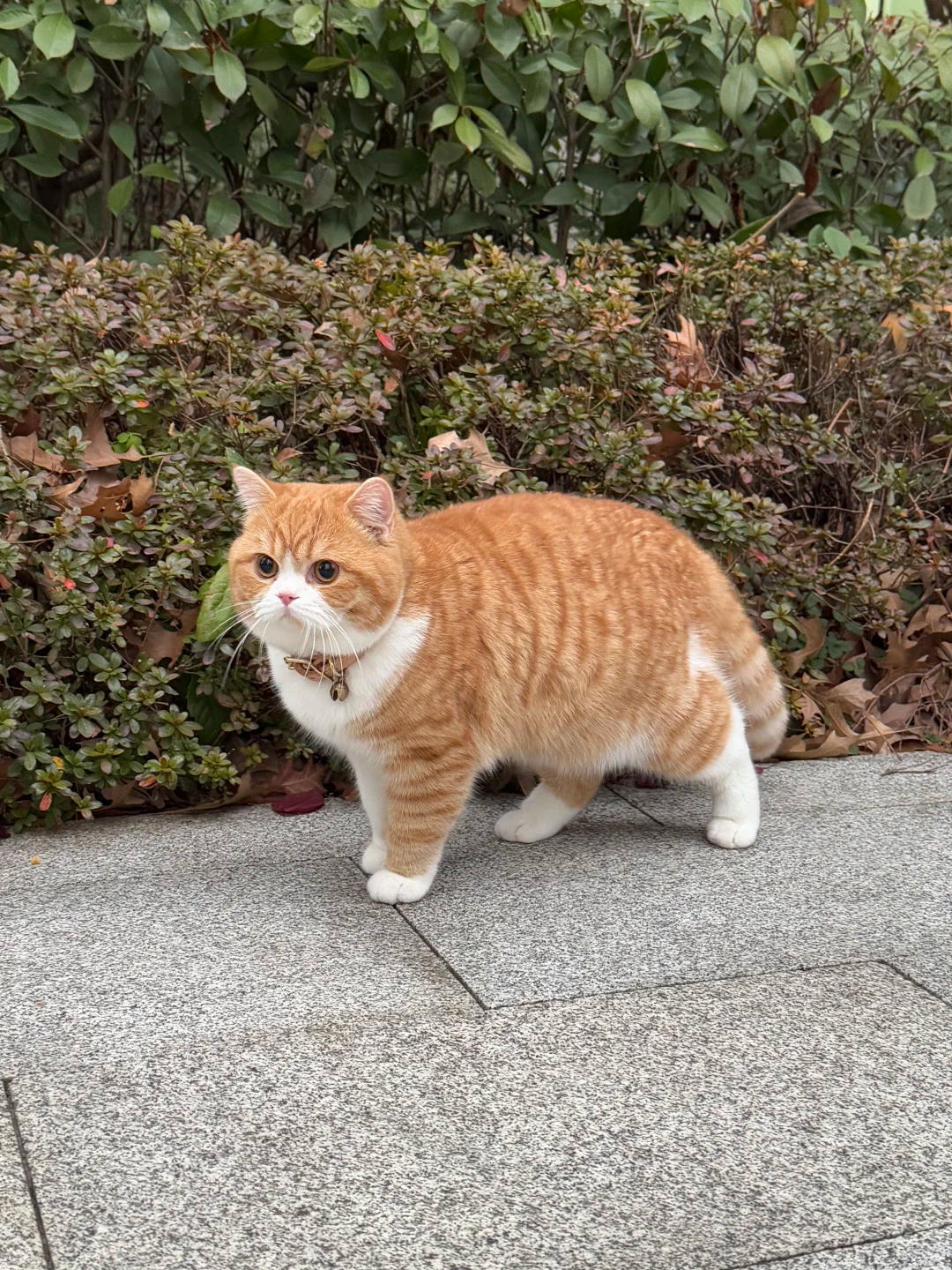
Keeping Your Indoor Cat Happy and Healthy Through Environmental Enrichment
Indoor cats live longer, safer lives than their outdoor counterparts, but they face a unique challenge: a potentially stimulating environment has been replaced by the relative monotony of home life. Without natural opportunities to hunt, explore, and encounter new stimuli, indoor cats can become bored, overweight, and even develop behavioral problems. This is where enrichment activities make a critical difference.
Understanding Cat Enrichment
Cat enrichment refers to anything that stimulates a cat’s mind, engages their natural instincts, or provides mental and physical challenges. The goal is to create a more varied, interesting environment that satisfies the needs cats would naturally fulfill in the wild.
Enrichment addresses multiple aspects of feline wellbeing: physical exercise, mental stimulation, hunting satisfaction, social interaction, and sensory engagement. A well-rounded enrichment program touches on all these areas.
Food-Based Enrichment
Transforming mealtime into an engaging activity provides both mental exercise and physical movement.
Puzzle feeders require cats to manipulate devices to access food, tapping into their problem-solving abilities. From simple containers with holes to complex multi-step puzzles, these devices slow eating while providing entertainment.
Scatter feeding involves simply scattering dry food around the house rather than placing it all in a bowl. This encourages cats to forage, mimicking natural hunting behavior.
Food hiding places small amounts of food in various locations throughout the home, encouraging cats to search and “hunt” for their meals.
DIY food toys can be as simple as crinkled paper balls with treats inside or toilet paper rolls with holes punched in them.
Environmental Enrichment
Creating an engaging physical space prevents boredom between interactions.
Vertical space satisfies cats’ natural desire to observe from heights. Cat trees, wall shelves, window perches, and tall furniture allow cats to climb and survey their territory from above.
Hiding spots throughout the home give cats places to retreat, stalk, and feel secure. Cardboard boxes, paper bags, covered beds, and dedicated cat caves all serve this purpose.
Window entertainment can be enhanced with bird feeders placed outside windows, creating a natural television for cats to watch.
Rotating toys keeps things interesting. Storing some toys and introducing them later creates novelty without requiring new purchases.
Interactive Play Activities
Direct engagement with your cat provides irreplaceable bonding opportunities and satisfaction of hunting instincts.
Scheduled play sessions of ten to fifteen minutes twice daily mimic natural hunting sequences: stalking, chasing, pouncing, and capturing. Ending with a “kill” moment where the cat catches the toy completes the cycle.
Wand toys with feathers, fabric strips, or small attachments best simulate prey movement when moved unpredictably.
Automated toys like battery-operated mice or laser toys (followed by a catchable reward) provide entertainment when you cannot directly engage.
Sensory Enrichment
Cats experience the world through senses that humans often overlook.
Cat-safe plants such as cat grass, catnip, and silver vine provide new smells and textures to explore. These plants are generally safe for cats unlike many common houseplants.
Music and nature sounds designed for cats can provide entertainment, particularly during times when the household is quiet.
Texture exploration can be encouraged with different surfaces: sisal rope, fleece, crinkly paper, or even ice cubes on hot days.
Social Enrichment
Even in single-cat homes, social needs can be addressed.
Dedicated attention in the form of petting, brushing, or simply sitting with your cat satisfies social needs.
Training sessions using treats can teach cats simple commands or tricks, providing mental engagement and strengthening your bond.
Cat-safe television programming designed for cats, featuring birds, fish, and small animals, can provide entertainment when you’re busy.
Creating an Enrichment Schedule
Consistency matters more than intensity. Building enrichment into daily routines ensures cats receive regular benefits rather than occasional spikes of activity.
Establishing a routine with regular play times, rotating toys weekly, changing puzzle feeder positions, and introducing new enrichment elements occasionally keeps the environment fresh and engaging.
This article is for educational purposes only and does not constitute medical advice. If your pet shows any signs of illness, discomfort, or behavioral changes, please consult a veterinarian.