

How Does Catnip Affect Cats
Medically Reviewed by Dr. Marcus Thorne, BVSc, Veterinary Behaviorist
Written by the SickCat Editorial Team · Updated Apr 15, 2026
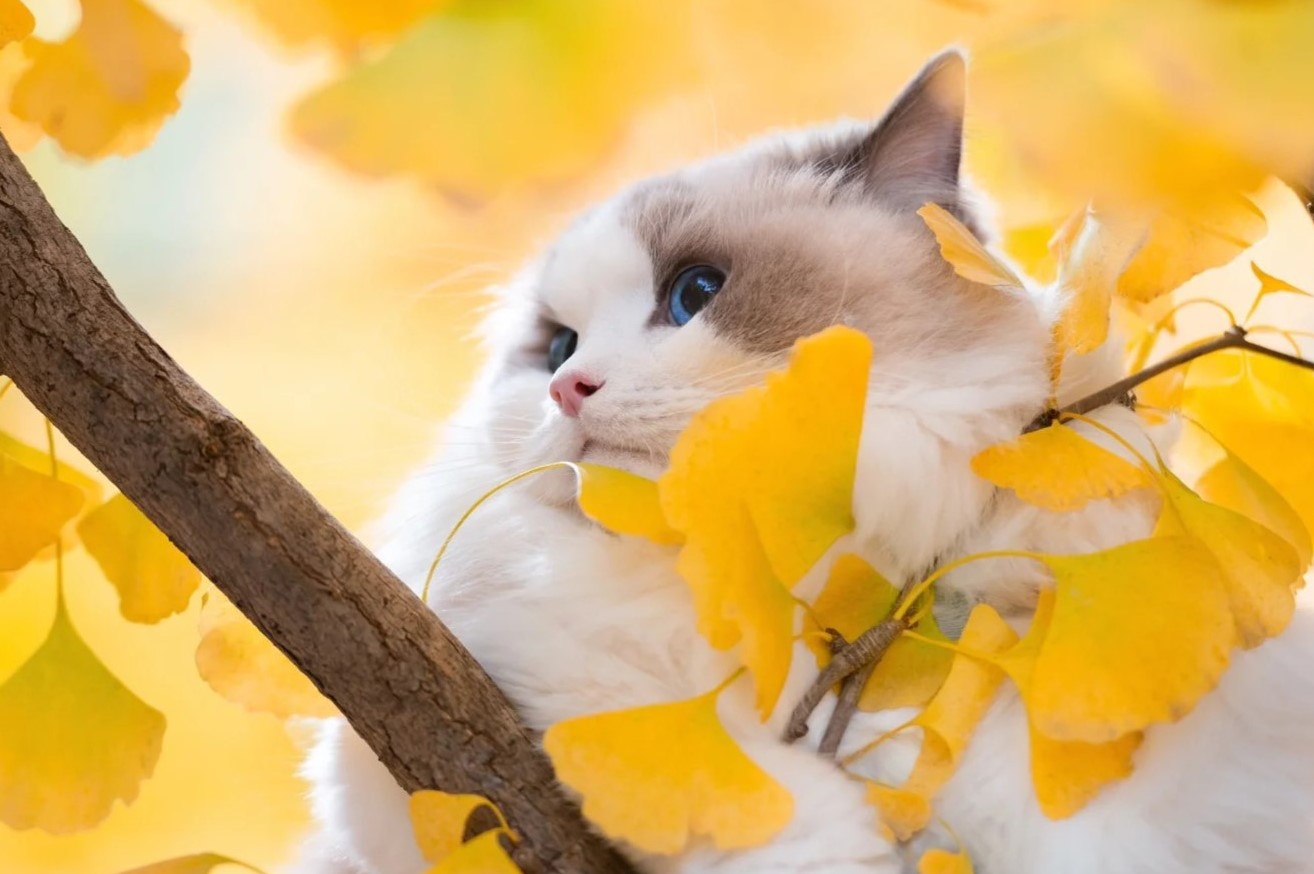
Understanding the Science Behind Feline Reactions to Catnip
If you’ve ever given your cat a catnip-filled toy and watched them transform from calm feline to zoomie-filled bundle of energy, you’ve witnessed one of nature’s more amusing interactions. Catnip has fascinated cat owners for generations, but what exactly causes this peculiar reaction, and is it safe for your pet?
What Is Catnip
Catnip is an herb belonging to the mint family, scientifically known as Nepeta cataria. Native to Europe and Asia, the plant contains a compound called nepetalactone in its leaves, stems, and seeds. This oil is released when the plant is crushed or bruised, which is why dried catnip produces such strong effects.
While catnip is related to mint, it has a distinctly different effect on cats compared to humans. The plant has been used in human herbal medicine for centuries, but for cats, its effects are far more dramatic and peculiar.
The Science Behind the Reaction
When a cat smells catnip, the nepetalactone compound binds to receptors in the cat’s nose. These receptors are located in the olfactory epithelium, the same area that detects other scents. However, the response to nepetalactone triggers a unique cascade in the brain.
The result is a reaction that mimics feline mating behavior in some ways. Cats may rub their face and body against the catnip, roll on the ground, vocalize more than usual, and become playfully active. Some cats appear almost euphoric, while others become calmer and more relaxed.
This response typically lasts between five and fifteen minutes. After exposure, cats usually lose interest for about thirty minutes to two hours before becoming responsive again.
Not All Cats Respond
One of the most interesting aspects of catnip is that not all cats react to it. Research suggests that approximately 50 to 75 percent of cats are affected by catnip, while others show no response at all.
This sensitivity is hereditary. Kittens under six months old rarely show any reaction to catnip—the ability to respond typically develops as they reach sexual maturity. Senior cats may also show diminished responses as they age.
Different Types of Reactions
Cats respond to catnip in various ways depending on their personality and the form of catnip exposure.
When cats sniff catnip, they typically become more energetic, playful, and vocal. Some cats will zoom around the room, while others engage in playful pouncing and batting at invisible prey.
When cats eat catnip, the effect tends to be the opposite—calming rather than stimulating. A cat that eats catnip may become relaxed, docile, and sleepy rather than energetic.
Some cats display both types of behavior, starting with playful antics after sniffing and then settling into relaxation after eating the herb.
Benefits of Catnip for Cats
Catnip can serve several positive purposes in a cat’s life. The herb provides mental stimulation and enrichment, particularly for indoor cats who may have limited excitement in their daily routines. The playful activity triggered by catnip encourages exercise and can help maintain healthy weight.
Catnip can also reduce stress in some cats. The calming effect that follows the initial energetic response can help anxious cats relax. Many cats find the sensation pleasant and enjoy the experience as a form of entertainment.
Using Catnip Safely
Catnip is generally considered safe for cats. It is non-toxic and non-addictive. Cats cannot overdose on catnip, though eating very large amounts might cause mild digestive upset.
Introduce catnip gradually if your cat has never experienced it. Some cats become overstimulated and may exhibit aggressive behavior when given catnip for the first time. Starting with small amounts allows you to gauge your cat’s individual reaction.
Alternatives to Catnip
If your cat doesn’t respond to catnip, don’t worry—several alternatives exist. Silver vine, also known as Actinidia polygama, affects many cats who don’t respond to catnip and is considered safe. Valerian root and Tatarian honeysuckle wood are other options that may appeal to cats who ignore catnip.
This article is for educational purposes only and does not constitute medical advice. If your pet shows any signs of illness, discomfort, or behavioral changes, please consult a veterinarian.