

How Do I Stop Territorial Fighting Between Cats
Medically Reviewed by Dr. Marcus Thorne, BVSc, Veterinary Behaviorist
Written by the SickCat Editorial Team · Updated Apr 15, 2026
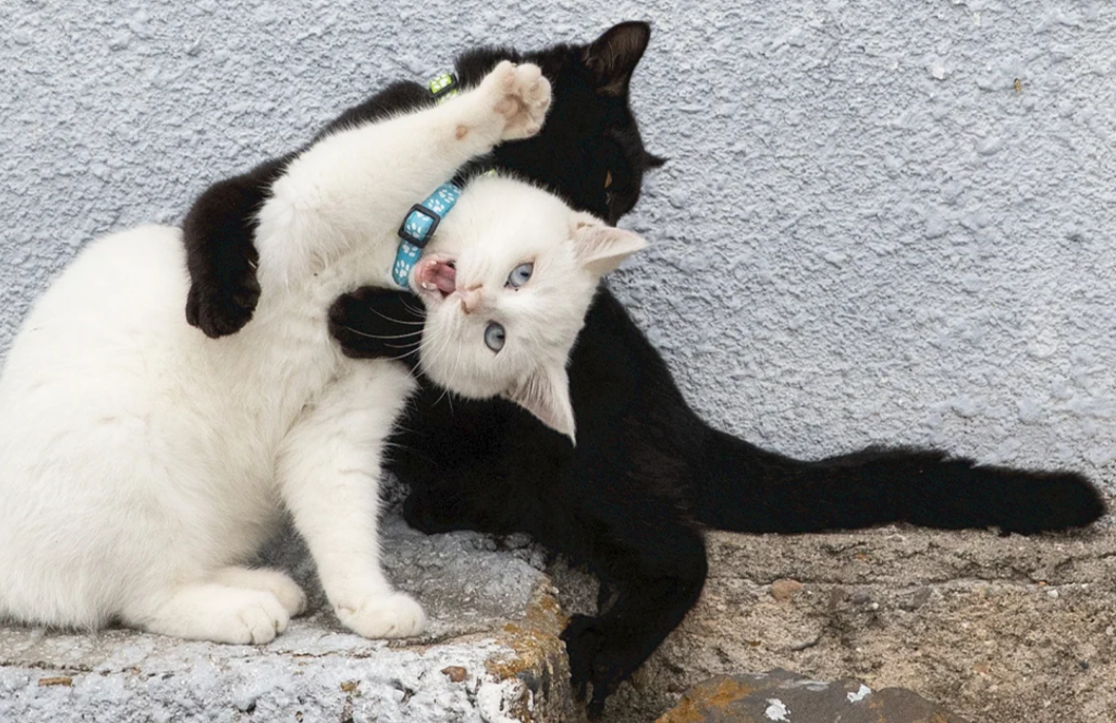
Understanding and Resolving Feline Territory Conflicts
Territorial fighting is one of the most common behavioral problems in multi-cat households. When cats battle over space, resources, or perceived boundaries, it creates stress for the animals and worry for their owners. Understanding why these conflicts happen and how to address them can restore peace to your feline household.
Why Cats Fight Over Territory
Cats are naturally solitary hunters with strong territorial instincts. In the wild, each cat maintains its own range and defends it from intruders. Even well-fed domestic cats retain these primal urges. Territory represents safety, resources, and psychological comfort to a cat.
Conflicts often arise when a new cat enters the home, when cats haven’t been properly introduced, or when environmental changes make cats feel their space is threatened. Resource competition—over food, litter boxes, resting spots, or attention from humans—can intensify territorial disputes.
Recognizing True Territorial Fighting
Not all cat conflict is territorial. Cats play-fight, establish social hierarchies, and have occasional squabbles. Understanding the difference matters.
Signs of genuine territorial disputes include aggressive chases that target a specific cat, blocking access to rooms or resources, staring contests that escalate, hissing and growling with raised fur, and fighting that keeps recurring despite attempts at calming.
Normal interactions involve play that includes pouncing and batting without intent to harm, brief hissing that de-escalates quickly, and cats who can share space even if they aren’t friends.
Environmental Solutions
The most effective approach to territorial fighting involves adjusting the home environment to reduce competition and create separate territories within shared space.
Increase resources dramatically. Multiple litter boxes in different locations, several feeding stations away from each other, multiple water sources, and numerous resting options prevent cats from having to compete for essentials. The general guideline is one resource per cat plus one extra.
Create vertical territory. Cat trees, wall shelves, window perches, and tall furniture give cats opportunities to claim space at different heights. Having elevated territory allows cats to coexist without direct confrontation.
Provide hiding spots and escape routes. Cats need places to retreat when stressed. Cardboard boxes, enclosed beds, and covered spaces give threatened cats somewhere safe. Ensure there are always multiple exits so cats don’t feel cornered.
Use feline pheromones. Products that mimic natural cat calming scents can help reduce anxiety and aggression. Diffusers or sprays in areas of conflict may ease tension.
Behavioral Interventions
Along with environmental changes, how you interact with your cats matters.
Never punish cats for fighting—this increases stress and can worsen behavior. Instead, interrupt conflicts with distraction: clap your hands, toss a toy, or make a calm noise. Reward calm behavior with treats and attention.
Increase play and enrichment. Bored cats are more likely to conflict. Interactive play sessions with each cat separately can burn energy and reduce frustration.
Consider temporary separation if fighting is severe. A gradual reintroduction following proper protocols can help reset the relationship.
When Professional Help Is Needed
If cats are injuring each other, if one cat lives in constant fear, if environmental changes haven’t helped, or if the situation is getting worse rather than better, it’s time to seek professional guidance. A veterinary behaviorist can assess underlying issues and develop a tailored behavior modification plan.
Setting Realistic Expectations
Some cats will become bonded companions who groom each other and sleep together. Others will achieve only tolerance—peaceful coexistence without close friendship. Either outcome represents success. The goal is for all cats in your home to feel safe, unstressed, and able to live without constant conflict.
This article is for educational purposes only and does not constitute medical advice. If your pet shows any signs of illness, discomfort, or behavioral changes, please consult a veterinarian.