

Why Is My Cat Not Using the Litter Box
Medically Reviewed by Dr. Marcus Thorne, BVSc, Veterinary Behaviorist
Written by the SickCat Editorial Team · Updated Apr 15, 2026
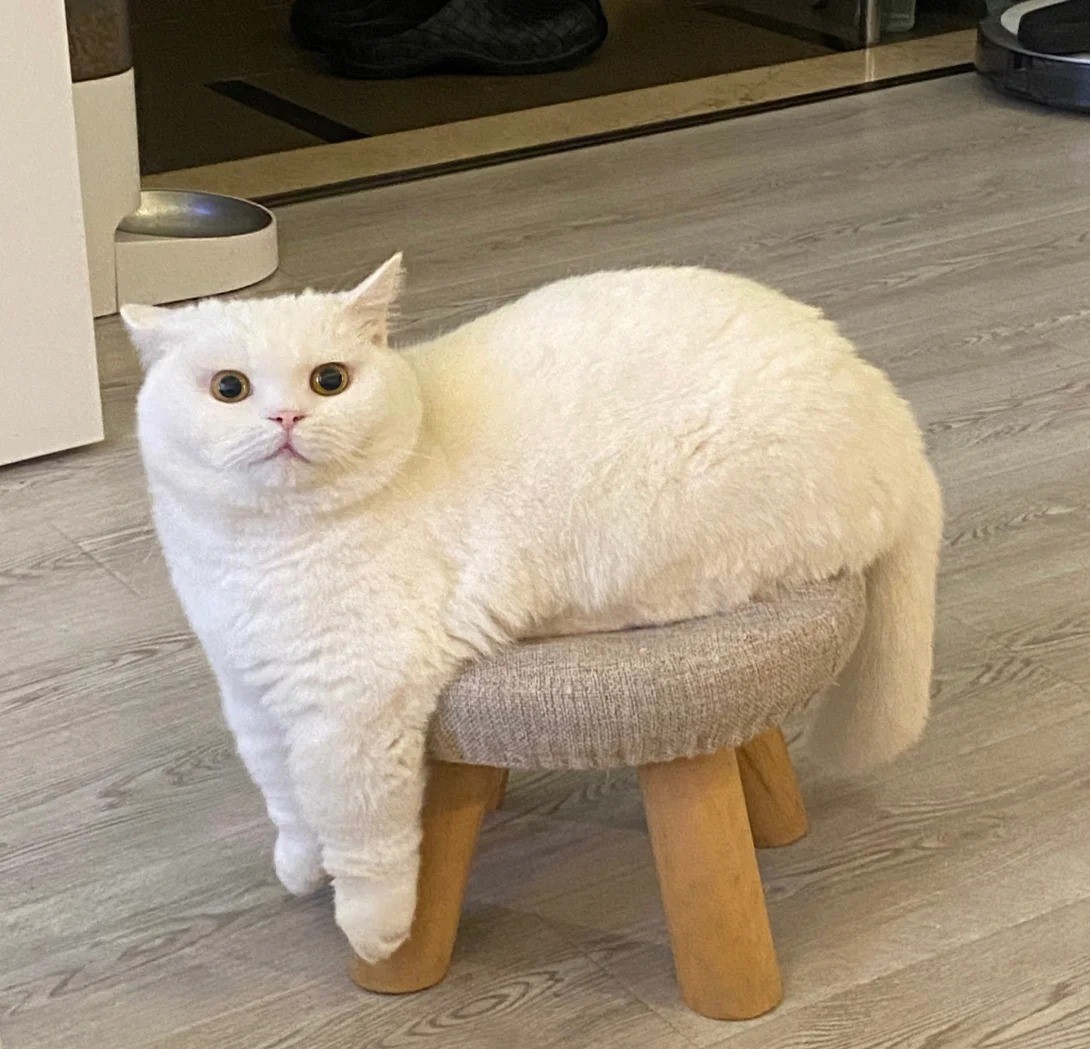
Understanding and Addressing Feline Litter Box Problems
Few things frustrate cat owners more than discovering that their well-trained feline has decided to do their business somewhere other than the designated litter box. This common problem, known as inappropriate elimination, can have many causes—from simple preferences to underlying health issues that need attention.
The Importance of Addressing the Issue Promptly
When a cat avoids the litter box, it’s not just a cleanliness problem for owners. It’s often a signal that something in your cat’s world isn’t quite right. Cats are creatures of habit, and deviations from their normal routines deserve attention. Understanding why your cat has turned away from the litter box is the first step toward resolving the issue and maintaining harmony in your home.
Could It Be a Health Problem?
Before examining behavioral causes, it’s important to consider whether an underlying medical condition might be responsible. Various health issues can make cats avoid the litter box:
Urinary problems are among the most common culprits. Cats experiencing discomfort during urination may associate the pain with the litter box itself and seek alternative locations. Similarly, digestive issues including constipation or inflammatory bowel conditions can make elimination uncomfortable.
Arthritis or mobility problems can also play a role. An aging cat or one with joint pain may find climbing into a litter box with high sides difficult or painful.
If your cat suddenly changes their bathroom habits, a veterinary check-up is always a wise first step to rule out medical causes.
Environmental and Litter Box Factors
Even when no medical issue exists, cats can develop strong preferences—and aversions—about their bathroom arrangements.
Cleanliness matters enormously. Cats have sensitive noses and may reject a box that seems acceptable to humans. Scooping daily and completely changing the litter regularly helps maintain a welcoming environment.
Litter type can be a dealbreaker. Some cats prefer fine-grained clumping litter, while others dislike strong fragrances. If you’ve recently changed litter brands or types, this could explain the behavioral shift.
Location is key. The litter box should be in a quiet, accessible location away from busy foot traffic and loud appliances like washing machines. Cats appreciate privacy, but they also don’t want to feel trapped with no escape route.
Space matters. The box should be large enough for your cat to turn around comfortably. Many commercial litter boxes are actually too small for adult cats.
Number of boxes. The general guideline is one box per cat, plus one extra. In multi-level homes, boxes should be available on each floor.
Stress and Behavioral Causes
Cats are highly sensitive to changes in their environment. Recent moves, new pets, new family members, rearranged furniture, or even schedule changes can trigger stress that manifests as litter box avoidance.
The introduction of a new cat to the household can be particularly disruptive. The existing cat may feel threatened and express this through inappropriate elimination.
Even outdoor cats visible through windows can create stress for indoor-only cats, who may feel their territory is being invaded.
Solutions to Consider
Improving the situation often involves examining and enhancing your cat’s bathroom setup. Experimenting with different litter types, adding more boxes in strategic locations, and ensuring boxes are cleaned regularly can make a significant difference.
Lowering the sides of the litter box or switching to a tray-style container can help cats with mobility issues. Placing rugs or mats around the box can help with any tracking issues that might be bothering you or your cat.
For stress-related issues, providing elevated hiding spots, vertical spaces, and consistent routines can help your cat feel more secure.
This article is for educational purposes only and does not constitute medical advice. If your pet shows any signs of illness, discomfort, or behavioral changes, please consult a veterinarian.