

Why Does My Cat Follow Me Everywhere
Medically Reviewed by Dr. Marcus Thorne, BVSc, Veterinary Behaviorist
Written by the SickCat Editorial Team · Updated Apr 15, 2026
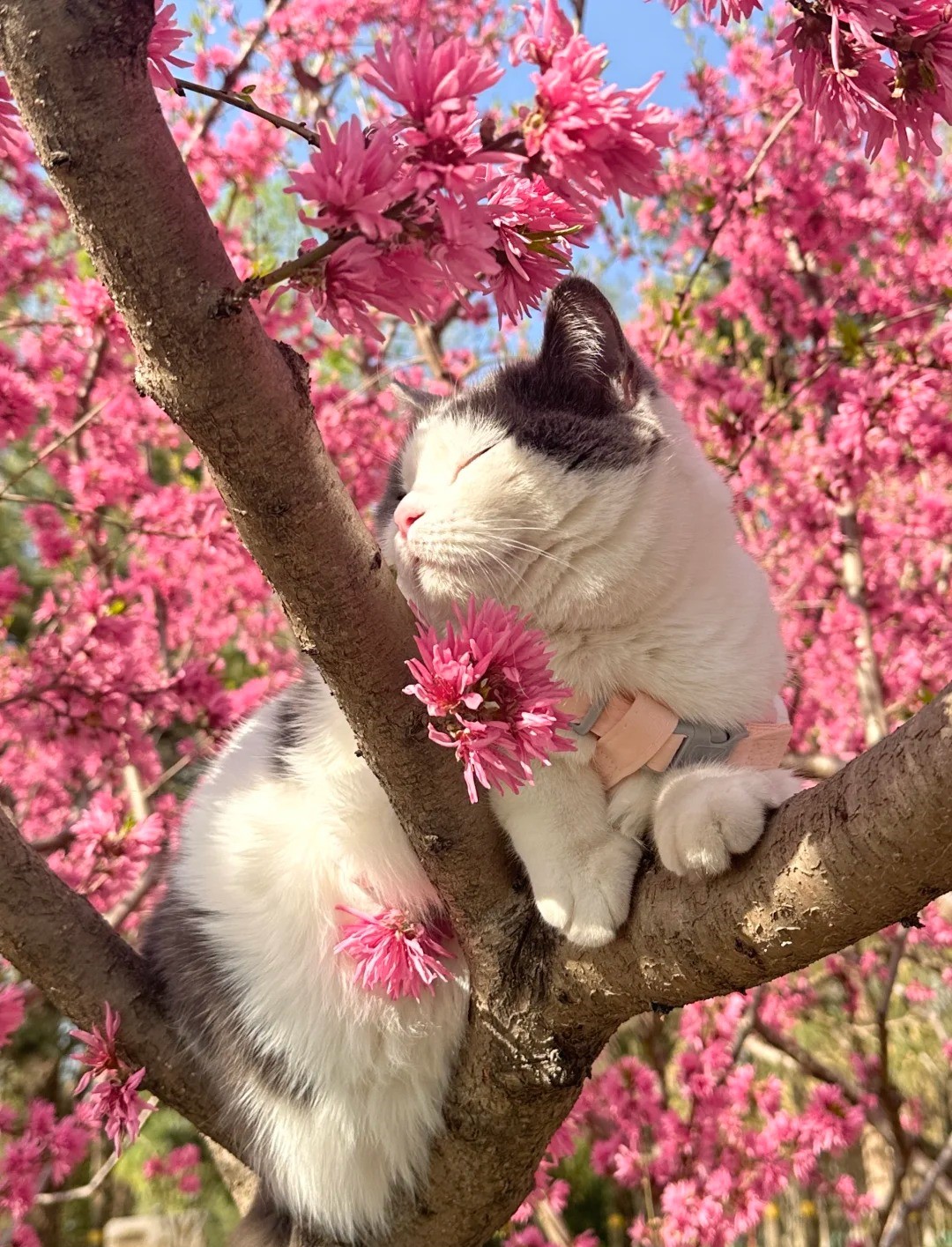
Understanding Your Cat's Following Behavior
If your cat seems to be your constant shadow, following you from room to room throughout the day, you might wonder what drives this behavior. While cats are often stereotyped as independent creatures, many cats form strong attachments to their human companions and enjoy being near them. Understanding why your cat follows you helps you appreciate your relationship and recognize when this behavior might need attention.
Natural Instincts Behind Following
Pack Mentality and Social Bonds:
Evolutionary Background:
-
Cats in the wild sometimes form social groups
-
These colonies provide safety and companionship
-
Domestic cats view their human family as their social group
-
Following creates security through togetherness
-
This behavior reflects their social nature
Feline Family Dynamics:
-
Mother cats lead kittens to safety and food
-
Kittens follow their mother as part of survival
-
Adult cats may transfer this following behavior to humans
-
The behavior shows trust and acceptance
-
Your cat considers you part of their family unit
Territorial Behavior:
Following as Exploration:
-
Cats are naturally curious about their territory
-
You represent the center of your cat’s known world
-
Following allows them to monitor all areas
-
Changes in the home may increase following
-
Your cat wants to know what you’re doing in their space
Marking and Claiming:
-
Your cat deposits scent by rubbing against you
-
Following keeps their scent present throughout the home
-
This reinforces their claim on territory
-
Your movements spread familiar scents
-
Creates a cohesive home scent profile
Common Reasons Cats Follow Their Owners
Seeking Attention and Interaction:
Desire for Play:
-
Following may signal desire for playtime
-
Your cat might be requesting an interactive session
-
Wand toys and games may be desired
-
Hunting instincts drive attention-seeking
-
Morning and evening following often indicates play requests
Petting and Affection:
-
Some cats follow specifically for attention
-
They may want to be petted or held
-
Following brings them close enough to initiate contact
-
Your cat learns following gets positive responses
-
Affection-seeking following shows bonding
Food and Resource Motivation:
Meal Time Anticipation:
-
Cats learn feeding schedules quickly
-
Following may intensify near meal times
-
Your cat associates you with food provision
-
Kitchen following is especially common
-
Bell cues or food sounds trigger following
Treat Expectations:
-
If treats are given regularly, cats anticipate them
-
Following may be stronger on treat days
-
Your cat has learned the connection between you and treats
-
This type of following can become persistent
-
Setting consistent treat times helps manage expectations
Security and Comfort:
Anxiety and Separation:
-
Some cats follow due to anxiety
-
They may feel uneasy when alone
-
Following provides emotional security
-
Changes in routine can increase following
-
Anxious cats often follow constantly
Comfort Seeking:
-
Your cat may seek your warmth and presence
-
Following places them near their comfort source
-
Some cats only relax when their owner is present
-
This behavior shows deep attachment
-
Comfort-seeking following indicates trust
Curiosity and Routine:
Activity Interest:
-
Cats are naturally curious about activities
-
They want to observe what you’re doing
-
Kitchen activities are particularly interesting
-
Bathroom visits provide novel experiences
-
Laundry and cleaning are fascinating to cats
Habit Formation:
-
Following can become a learned routine
-
Your cat anticipates where you’ll be
-
Morning and evening patterns develop
-
The behavior becomes part of their day
-
Established habits are difficult to change
Types of Following Behavior
Constant Following:
Characteristics:
-
Cat follows everywhere without exception
-
May meow or vocalize when separated
-
Difficult to close doors without protest
-
Cat seems to need constant proximity
-
May sit directly on or near you constantly
Possible Meanings:
-
Strong attachment to owner
-
Possible underlying anxiety
-
May indicate health concerns
-
Could show discomfort when alone
-
Some cats naturally more dependent
Selective Following:
Characteristics:
-
Cat follows during specific times or activities
-
May follow to kitchen or bedroom only
-
Interested in certain activities
-
Independent at other times
-
More moderate attachment
Possible Meanings:
-
Following driven by specific needs
-
Activity-based motivation
-
Comfortable with some independence
-
Balanced attachment style
-
Normal social behavior
Shadowing at a Distance:
Characteristics:
-
Cat stays nearby but not directly behind
-
Observes from perches and nearby spots
-
Maintains visual contact without crowding
-
More subtle following behavior
-
Comfortable with moderate distance
Possible Meanings:
-
Interested but respects space
-
Balanced attachment
-
Comfortable independence
-
Normal social monitoring
-
Content with visual connection
When Following Indicates Concerns
Anxiety-Related Following:
Signs of Problematic Following:
-
Extreme distress when separated
-
Inability to settle when you’re not visible
-
Constant vocalization while following
-
Destructive behavior when separated
-
Eating problems related to your absence
Potential Causes:
-
Separation anxiety
-
Past trauma or abandonment
-
Major life changes
-
Loss of another pet or family member
-
Insecurity from insufficient socialization
Health-Related Following:
Behavioral Changes to Watch:
-
Sudden increase in following
-
Following combined with other changes
-
Appetite changes alongside following
-
Hiding less but following more
-
Changes in sleep patterns
Possible Health Connections:
-
Cats may seek comfort when unwell
-
Increased following can signal discomfort
-
Some conditions increase neediness
-
Senior cats may become more dependent
-
Pain may drive attention-seeking
Managing Excessive Following
Creating Confidence:
Building Independence:
-
Provide engaging toys for solo play
-
Create interesting window views
-
Establish safe hiding spots and perches
-
Use puzzle feeders for mental stimulation
-
Reward independent behavior
Establishing Routines:
-
Consistent daily schedules help cats feel secure
-
Predictable routines reduce anxiety
-
Feed and play at regular times
-
Maintain consistent departure patterns
-
Avoid dramatic schedule changes
Providing Alternatives:
Environmental Enrichment:
-
Offer multiple comfortable resting spots
-
Create vertical spaces for security
-
Provide scratching posts and toys
-
Set up bird feeders outside windows
-
Make different rooms appealing
Safe Spaces:
-
Create areas where your cat feels secure
-
Include familiar scents and items
-
Ensure hiding spots are available
-
Make vertical perches accessible
-
Provide warmth in key areas
Setting Boundaries:
Healthy Distance:
-
Close doors briefly to teach tolerance
-
Gradually increase independence
-
Reward calm, independent behavior
-
Provide attention on your terms
-
Maintain some predictability
When to Give Space:
-
Respect your own need for privacy
-
Gently redirect constant following
-
Use baby gates for gradual separation
-
Create cat-free zones if needed
-
Balance your needs with theirs
Encouraging Balanced Behavior
Positive Approaches:
Independent Rewards:
-
Give attention when cat is calm and independent
-
Create positive associations with alone time
-
Use treats to reward settling in other areas
-
Praise calm, quiet behavior
-
Make independent time rewarding
Scheduled Attention:
-
Set specific times for play and petting
-
Predictable attention reduces neediness
-
End sessions on a positive note
-
Create reliable but bounded interaction
-
Helps cat anticipate and accept gaps
Understanding Your Cat:
Individual Differences:
-
Some breeds are more dependent
-
Rescue cats may have attachment issues
-
Early experiences shape following behavior
-
Each cat has unique needs
-
Compare to your cat’s normal baseline
Reading Body Language:
-
Watch for signs of anxiety
-
Note what triggers increased following
-
Understand your cat’s communication
-
Recognize contentment versus stress
-
Respond appropriately to signals
Tips for Different Situations
When Leaving the House:
Preparation Strategies:
-
Leave worn clothing for comfort
-
Create engaging departure cues
-
Avoid dramatic goodbyes
-
Provide environmental enrichment
-
Consider a companion if appropriate
Returning Home:
-
Greet calmly without excessive excitement
-
Wait for your cat to settle before attention
-
Maintain some routine upon return
-
Avoid reinforcing needy behavior
-
Balance greeting with independence
Working From Home:
Setting Boundaries:
-
Create a cat-free workspace if needed
-
Provide alternative resting spots nearby
-
Schedule regular play breaks
-
Avoid reinforcing constant attention-seeking
-
Make your office cat-friendly
Providing Enrichment:
-
Interactive toys for solo play
-
Window perches for entertainment
-
Puzzle feeders for mental engagement
-
Regular play sessions to burn energy
-
Balance attention with independence
Important Note: If your cat’s following behavior is accompanied by signs of distress such as excessive vocalization, destructive behavior, changes in eating or bathroom habits, if your cat cannot settle even briefly when alone, if following suddenly increases for no apparent reason, if you notice other behavioral changes alongside increased following, or if the following behavior is affecting your cat’s quality of life or yours, please consult a veterinarian promptly. Excessive following can sometimes indicate underlying anxiety, health issues, or other concerns that benefit from professional evaluation and appropriate care for your cat’s well-being.