

Why Does My Cat Bite Me
Medically Reviewed by Dr. Marcus Thorne, BVSc, Veterinary Behaviorist
Written by the SickCat Editorial Team · Updated Apr 15, 2026
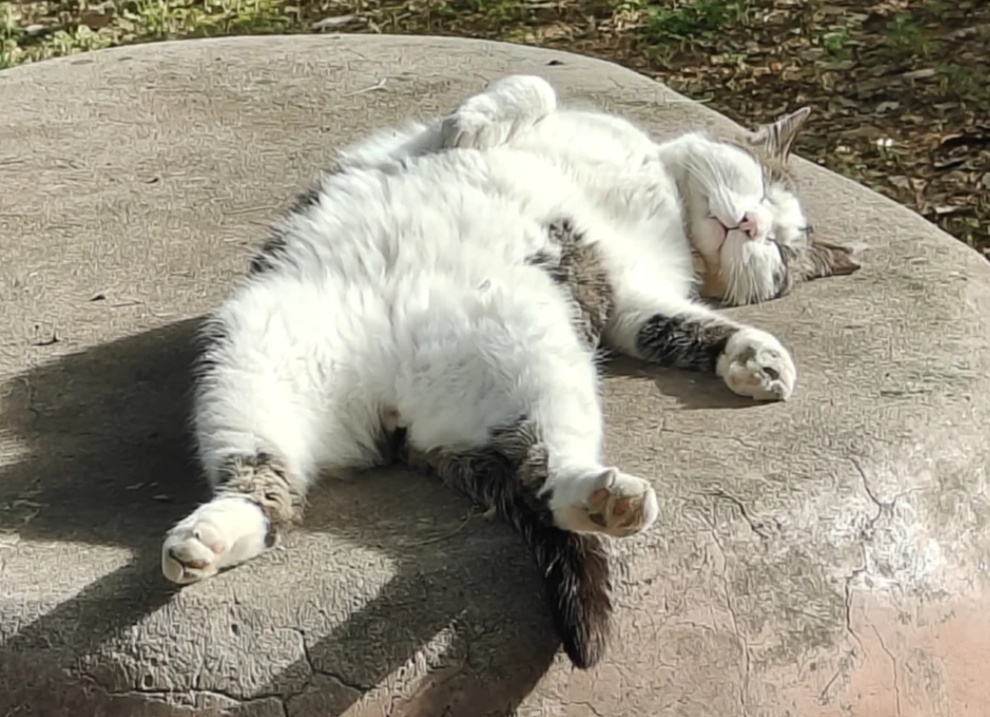
Understanding Cat Biting Behavior
Being bitten by a cat you love can be confusing and sometimes painful. Unlike dogs, whose biting is often straightforward, cat bites can stem from a variety of reasons ranging from affection to fear. Understanding why your cat bites helps you respond appropriately and build a better relationship with your feline companion.
Different Types of Cat Bites
Play Biting:
-
Usually happens during interactive sessions
-
Often directed at hands or feet
-
Typically gentle without breaking skin
-
Accompanied by playful body language
-
Part of normal hunting and play behavior
Overstimulation Biting:
-
Occurs during petting sessions
-
A signal that the cat has had enough
-
Usually preceded by warning signs
-
May be gentle at first but can escalate
-
The cat is communicating a boundary
Fear-Based Biting:
-
Defensive response to perceived threat
-
Often preceded by other fear signals
-
Cat may try to retreat or hide
-
Usually accompanied by defensive body language
-
A self-protection mechanism
Petting Aggression:
-
Related to overstimulation but more intense
-
Not all cats enjoy long petting sessions
-
Some areas may trigger aggressive response
-
The cat may tolerate touch up to a point
-
Beyond that threshold, biting occurs
Redirected Aggression:
-
Cat is agitated by something else
-
Takes frustration out on nearest person
-
May happen when cats see outdoor cats
-
Occurs during excitement or frustration
-
The human becomes the outlet
Why Cats Bite: Root Causes
Natural Hunting Instincts:
Predatory Behavior:
-
Cats are hardwired to hunt
-
Play biting simulates hunting behavior
-
Hands and feet resemble prey movement
-
Kittens learn bite inhibition from mothers
-
Without training, biting continues into adulthood
Practicing Hunting Skills:
-
Young cats especially need to practice
-
Littermates teach appropriate bite pressure
-
Solo kittens may not learn limits
-
Humans sometimes encourage rough play
-
Biting becomes habitual without correction
Communication Through Biting:
Expressing Displeasure:
-
Biting is an escalation from other signals
-
Cats communicate boundaries through body language first
-
Biting occurs when earlier signals are ignored
-
The cat feels compelled to take stronger action
-
It’s often a last resort communication
Seeking Attention:
-
Some cats bite to initiate interaction
-
Negative attention is still attention
-
Biting may have worked in the past
-
The behavior gets reinforced over time
-
Breaking this cycle requires patience
Emotional Triggers:
Fear and Anxiety:
-
Unfamiliar situations may trigger fear biting
-
Past trauma influences current responses
-
Stress from environmental changes
-
Feeling trapped with no escape route
-
Overwhelming sensory input
Frustration:
-
Unable to reach something desired
-
Blocked from going somewhere
-
Prevented from hunting prey outside
-
Redirected aggression when frustrated
-
Barrier frustration can cause biting
Reading the Signs Before a Bite
Body Language Warnings:
Before Play Biting:
-
Dilated pupils
-
Tail twitching
-
Ears forward
-
Crouched hunting posture
-
Focused attention on target
Before Overstimulation Biting:
-
Tail lashing
-
Ears flattening or rotating
-
Body tensing
-
Skin rippling
-
Pupils dilating
Before Fear Biting:
-
Hissing or growling
-
Arched back
-
Puffed fur
-
Wide eyes
-
Trying to retreat
How to Respond to Cat Bites
Immediate Response:
During Play Biting:
-
Stop the play session immediately
-
Say “ouch” calmly but firmly
-
Move away without dramatic reaction
-
Do not physically punish the cat
-
Wait for calm before resuming interaction
During Petting Biting:
-
Stop petting immediately
-
Move slowly and calmly away
-
Give the cat space to calm down
-
Watch for signs of overstimulation
-
Learn your cat’s petting limits
During Fear Biting:
-
Freeze and remain calm
-
Do not pull away suddenly
-
Allow the cat an escape route
-
Remove the source of fear if possible
-
Give significant time before approaching
What Not to Do:
Harming Responses:
-
Never hit or physically punish your cat
-
Avoid yelling which increases stress
-
Do not chase or corner your cat
-
Never spray with water as punishment
-
Physical punishment damages trust
Reinforcing Responses:
-
Avoid pulling away quickly from play bites
-
Don’t continue playing after a bite
-
Refrain from giving attention immediately after biting
-
Avoid dramatic reactions that could reinforce biting
-
Don’t ignore the behavior entirely
Preventing Cat Bites
Training Approaches:
Teaching Bite Inhibition:
-
Redirect to appropriate toys
-
Use treats to reward gentle play
-
Provide plenty of exercise and play
-
Never use hands as toys
-
End play when biting starts
Setting Clear Boundaries:
-
Be consistent in your responses
-
All family members must follow the same rules
-
Establish what is and isn’t acceptable
-
Reward appropriate behavior consistently
-
Never send mixed signals
Environmental Management:
Appropriate Outlets:
-
Provide plenty of interactive toys
-
Offer puzzle feeders for mental stimulation
-
Create vertical spaces for climbing
-
Establish regular play sessions
-
Provide scratching posts
Reducing Triggers:
-
Minimize stress in the environment
-
Provide safe hiding spots
-
Create escape routes in the home
-
Avoid startling your cat
-
Respect their need for space
Understanding Your Cat:
Learning Preferences:
-
Know which areas your cat likes to be petted
-
Understand their limits for interaction
-
Watch for signs of overstimulation
-
Respect changes in mood
-
Build trust through consistent care
Providing Exercise:
-
Schedule daily interactive play
-
Use wand toys for hunting practice
-
Provide opportunities for solo play
-
Ensure adequate physical activity
-
Tire out hunting instincts appropriately
When Biting Becomes a Concern
Red Flags:
Aggression That Escalates:
-
Bites breaking skin becoming more frequent
-
Severity of bites increasing
-
Unpredictable aggression
-
Biting without apparent trigger
-
Aggression toward multiple people
Sudden Behavioral Changes:
-
Previously gentle cat becoming aggressive
-
Major changes in biting frequency
-
Biting associated with other changes
-
Aggression during normally happy times
-
Resistance to previously enjoyed handling
Safety Concerns:
-
Deep puncture wounds
-
Infections from cat bites
-
Biting during vulnerable moments
-
Aggression toward children
-
Bites causing significant injury
Potential Underlying Issues:
Medical Causes:
-
Pain from various conditions
-
Dental problems
-
Sensory decline in senior cats
-
Hormonal changes
-
Various illnesses causing irritability
Behavioral Issues:
-
Anxiety disorders
-
Past trauma responses
-
Lack of early socialization
-
Territorial issues
-
Redirected aggression becoming chronic
Building a Better Relationship
Positive Reinforcement:
Rewarding Good Behavior:
-
Praise gentle, calm interactions
-
Give treats for appropriate play
-
Reward relaxed petting sessions
-
Celebrate non-aggressive responses
-
Build positive associations
Creating Trust:
-
Let your cat approach you
-
Respect their boundaries
-
Provide consistent care
-
Avoid unpredictable interactions
-
Build security through routine
Safe Interactions:
Petting Guidelines:
-
Let your cat initiate petting
-
Focus on preferred areas
-
Watch for overstimulation signs
-
Keep sessions short
-
End on a positive note
Play Guidelines:
-
Use appropriate toys
-
Avoid rough play
-
Keep hands away from mouth
-
Provide solo play options
-
Respect playtime limits
Tips for Different Situations
With Kittens:
-
Start training early
-
Provide appropriate chew toys
-
Teach bite inhibition
-
Socialize properly
-
Be patient during development
With Adult Cats:
-
Work on redirecting existing habits
-
Increase exercise and stimulation
-
Be consistent with boundaries
-
Consider environmental changes
-
Seek professional help if needed
With Senior Cats:
-
Rule out pain and medical issues
-
Adjust handling for mobility issues
-
Provide comfortable spaces
-
Be patient with changes
-
Monitor for cognitive changes
Important Note: If your cat’s biting is severe or breaking skin frequently, if biting is accompanied by other behavioral changes such as hiding, changes in appetite, or lethargy, if biting seems to be caused by pain or your cat shows signs of discomfort, if the aggression is unpredictable or escalating, if your cat bites without any warning signs, or if biting poses any safety risk to family members, please consult a veterinarian promptly. A vet can help rule out medical causes and may recommend working with a certified animal behaviorist for behavioral issues. Understanding and addressing the root cause of biting is essential for both your safety and your cat’s well-being.