

What Is My Cat's Body Language Telling Me
Medically Reviewed by Dr. Marcus Thorne, BVSc, Veterinary Behaviorist
Written by the SickCat Editorial Team · Updated Apr 15, 2026
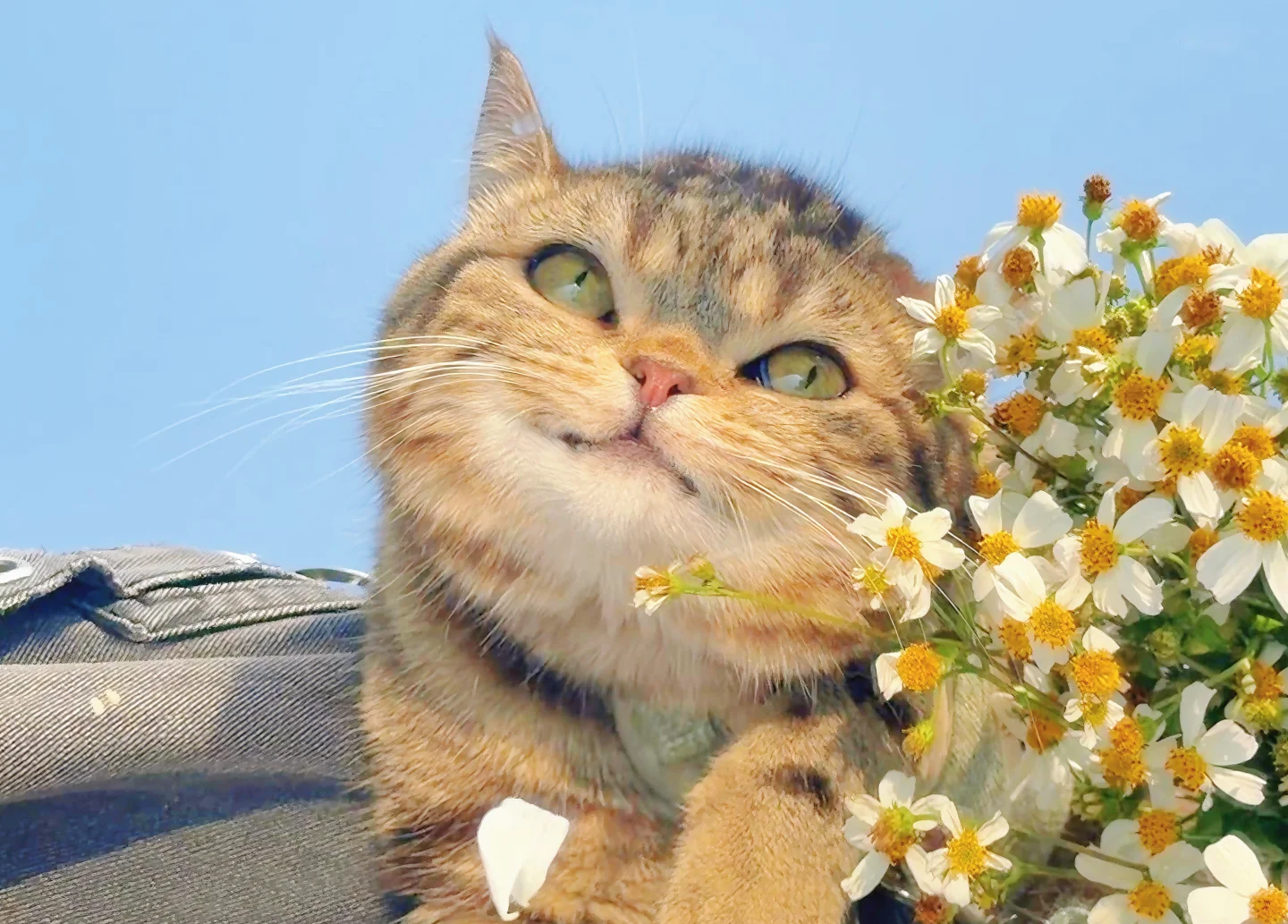
The Importance of Understanding Cat Body Language
Cats communicate primarily through body language rather than vocalizations. While cats do meow and purr, their bodies are constantly sending messages about their emotions, needs, and intentions. Learning to read your cat’s body language strengthens your bond, prevents misunderstandings, and helps you meet your feline companion’s needs more effectively.
Reading Your Cat's Eyes
Eye Shapes and Positions:
Slow Blinking:
-
Often called “cat kisses”
-
Sign of trust and contentment
-
A slow blink from you can build rapport
-
Relaxed, half-closed eyes indicate peace
Dilated Pupils:
-
Can indicate excitement, fear, or playfulness
-
Often seen during hunting or play
-
Large pupils in bright light may signal overstimulation
-
Constricted pupils can mean aggression or contentment
Direct Staring:
-
In cats, staring can be threatening
-
Avoiding eye contact shows submission
-
Soft, relaxed eyes indicate comfort
-
Wide-open eyes often signal fear or alertness
Half-Lidded Eyes:
-
Deep relaxation and trust
-
Often seen during petting sessions
-
Combined with purring indicates maximum comfort
-
May precede falling asleep
Understanding Your Cat's Ears
Ear Positions and Movements:
Ears Forward:
-
Alert and interested
-
Focused on something
-
Positive engagement with environment
-
Often combined with approach behavior
Ears Flattened Back:
-
Fear or anxiety
-
Defensive posture
-
Can also indicate pain
-
May precede aggressive response
Ears to the Side:
-
Uncertainty or unease
-
Processing multiple stimuli
-
Not fully relaxed but not threatened
-
Often called “airplane ears”
Ears Rotating:
-
Listening and scanning environment
-
Tracking multiple sounds
-
Assessing potential threats
-
Normal alert behavior
Whisker and Mouth Signals
Whisker Movements:
Whiskers Forward:
-
Curiosity and interest
-
Approaching something new
-
Hunting or investigating
-
Positive engagement
Whiskers Back or Flattened:
-
Fear or aggression
-
Defensive positioning
-
Feeling threatened
-
Usually combined with other stress signals
Relaxed Whiskers:
-
Sticking out to the sides
-
Normal, resting position
-
Contentment and comfort
-
Slightly forward when alert but calm
Mouth and Nose Signals:
Lip Licking:
-
Stress or anxiety
-
Self-soothing behavior
-
May precede vomiting
-
Also normal after eating
Slight Open Mouth (Flehmen Response):
-
Analyzing scents
-
Processing pheromones
-
Normal behavior for gathering information
-
Usually brief and purposeful
Yawning:
-
Can indicate stress relief
-
Self-calming mechanism
-
Also shows relaxation
-
Multiple yawns may signal tension release
Body Posture and Positions
Relaxed and Confident Postures:
Loafing:
-
Body tucked with paws hidden
-
Relaxed but alert
-
Comfortable in environment
-
Common resting position
Belly Exposure:
-
Maximum trust indicator
-
Shows vulnerability willingly
-
May or may not be an invitation to touch
-
Petting the belly may trigger defensive response
CURLing or Stretching:
-
Physical comfort
-
Feeling safe
-
Claiming space
-
Relaxation after rest
Defensive and Fearful Postures:
The Halloween Cat:
-
arched back, puffed fur, side-facing stance
-
Maximum defensive display
-
Trying to appear larger
-
Usually paired with hissing or growling
Crouching Low:
-
Fearful or submissive
-
Trying to be less visible
-
Ready to flee if needed
-
May tuck tail close to body
Rolling to Expose Belly:
-
Unlike relaxed belly exposure, this can be defensive
-
Using claws and teeth as defense if approached
-
Showing submission and vulnerability
-
May be followed by ambush attack
Playful and Hunting Postures:
The Playful Crouch:
-
Rear end slightly elevated
-
Twitching tail
-
Ready to pounce
-
Eyes focused on target
The Running Sprint:
-
Playful energy release
-
Often accompanied by meowing
-
Zoomies are normal and healthy
-
Expression of joy and energy
The Tail as a Communication Tool
Tail Positions:
Upright Tail:
-
Confidence and happiness
-
Friendly greeting
-
High tail often means positive mood
-
May have curved tip showing friendliness
Question Mark Tail:
-
Confident but cautious
-
Approaching in friendly manner
-
Interested in interaction
-
Good time for engagement
Low Tail:
-
May indicate fear or submission
-
Some cats naturally carry tails lower
-
Compare to individual cat’s normal posture
-
Combined with other signals for interpretation
Tail Movements:
Tail Twitching:
-
Focused concentration
-
Hunting instinct engaged
-
Can indicate excitement
-
Small movements during play
Tail Swishing or Lashing:
-
Agitation or irritation
-
Overstimulation
-
May warn of impending swatting
-
Give space when tail lashing begins
Tail Puffed:
-
Fear or aggression
-
Defensive reaction
-
Making self appear larger
-
Remove threat and let cat calm down
Putting It All Together: Reading Combined Signals
Happy and Relaxed Cat:
-
Eyes: Slow blinking, relaxed half-closed
-
Ears: Forward or slightly to the side
-
Whiskers: Forward or relaxed to the side
-
Body: Loose, possibly stretching or loafing
-
Tail: Upright with relaxed movement
Anxious or Uncertain Cat:
-
Eyes: Wide open, dilated pupils
-
Ears: Rotating, scanning, or flattened
-
Whiskers: Pulled back or tense
-
Body: Tense, crouched lower
-
Tail: Tucked, low, or still
Aggressive or Defensive Cat:
-
Eyes: Direct stare, constricted or dilated pupils
-
Ears: Flattened firmly back
-
Whiskers: Stiff, pushed forward
-
Body: Tense, possibly arched
-
Tail: Puffed, lashing, or held low and still
Playful Cat:
-
Eyes: Dilated pupils, focused on target
-
Ears: Forward, alert
-
Whiskers: Forward
-
Body: Crouched, hindquarters twitching
-
Tail: May twitch at tip, energetic movement
Context and Environment Matter
Before Reading Body Language, Consider:
The Situation:
-
What is happening in the environment?
-
Are there other pets or people?
-
Is it feeding time or play time?
-
What sounds or activities are present?
Your Cat’s Normal:
-
Know your individual cat’s baseline
-
Some cats naturally carry bodies differently
-
Breed may affect typical posture
-
Age affects mobility and presentation
Recent History:
-
Has anything changed recently?
-
Has there been stress or disruption?
-
What happened in the last few minutes?
-
Is this a familiar or new situation?
Tips for Better Understanding
Observing Your Cat:
Spend Time Watching:
-
Simply being present and watching helps you learn
-
Note patterns in behavior
-
Observe how body language changes with circumstances
-
Practice reading signals before interacting
Respect What You See:
-
Respond appropriately to signals
-
Give space when body language says “no”
-
Build trust by respecting boundaries
-
Reward positive engagement
Create Positive Environments:
-
Reduce stress triggers
-
Provide safe spaces
-
Maintain consistent routines
-
Meet needs before they become problems
Common Mistakes to Avoid:
Ignoring Signals:
-
Missed warnings can lead to scratches
-
Continued approach when signals say “leave me alone”
-
Assuming your cat wants interaction when body language says otherwise
Misinterpreting Body Language:
-
Belly exposure is not always an invitation
-
Purring does not always mean happiness
-
Slow blinking may need to be combined with other signals
Overgeneralizing:
-
Each cat is an individual
-
Context always matters
-
Patterns may be unique to your cat
When Body Language Changes
Signs That Warrant Attention:
Sudden Behavioral Shifts:
-
Previously friendly cat becoming withdrawn
-
Normal postures becoming unusual
-
Avoiding interaction that was previously enjoyed
-
Changes in baseline body language
Pain Indicators:
-
Moving differently than usual
-
Avoiding being touched in certain areas
-
Hunched posture even when relaxed
-
Reluctance to jump or climb
Stress Indicators:
-
Constant vigilance and tension
-
Unable to relax even in familiar spaces
-
Hiding more than usual
-
Changes in eating or grooming
Building a Better Relationship Through Body Language
What Body Language Teaches Us:
Meeting Their Needs:
-
Understand when they want attention
-
Know when they need space
-
Recognize when they are stressed
-
Identify when they are happy and healthy
Preventing Problems:
-
Avoid conflicts before they start
-
Read warnings to prevent scratches
-
Understand triggers and reduce stress
-
Create environments where cats thrive
Strengthening Bonds:
-
Respond appropriately to communications
-
Build trust through understanding
-
Engage when they seek interaction
-
Give space when they need it
Important Note: If your cat’s body language suddenly changes in ways that concern you, if your cat is showing signs of constant stress or anxiety, if you notice your cat hiding excessively or avoiding normal activities, if body language changes are accompanied by changes in eating, grooming, or bathroom habits, if your cat shows signs of pain when moved or touched, or if you observe any other significant behavioral changes, please consult a veterinarian promptly. While understanding body language helps you care for your cat, professional evaluation is important for addressing underlying health issues or behavioral concerns that may be affecting your cat’s well-being.