

How Can I Fix My Cat's Bad Habits
Medically Reviewed by Dr. Marcus Thorne, BVSc, Veterinary Behaviorist
Written by the SickCat Editorial Team · Updated Apr 15, 2026
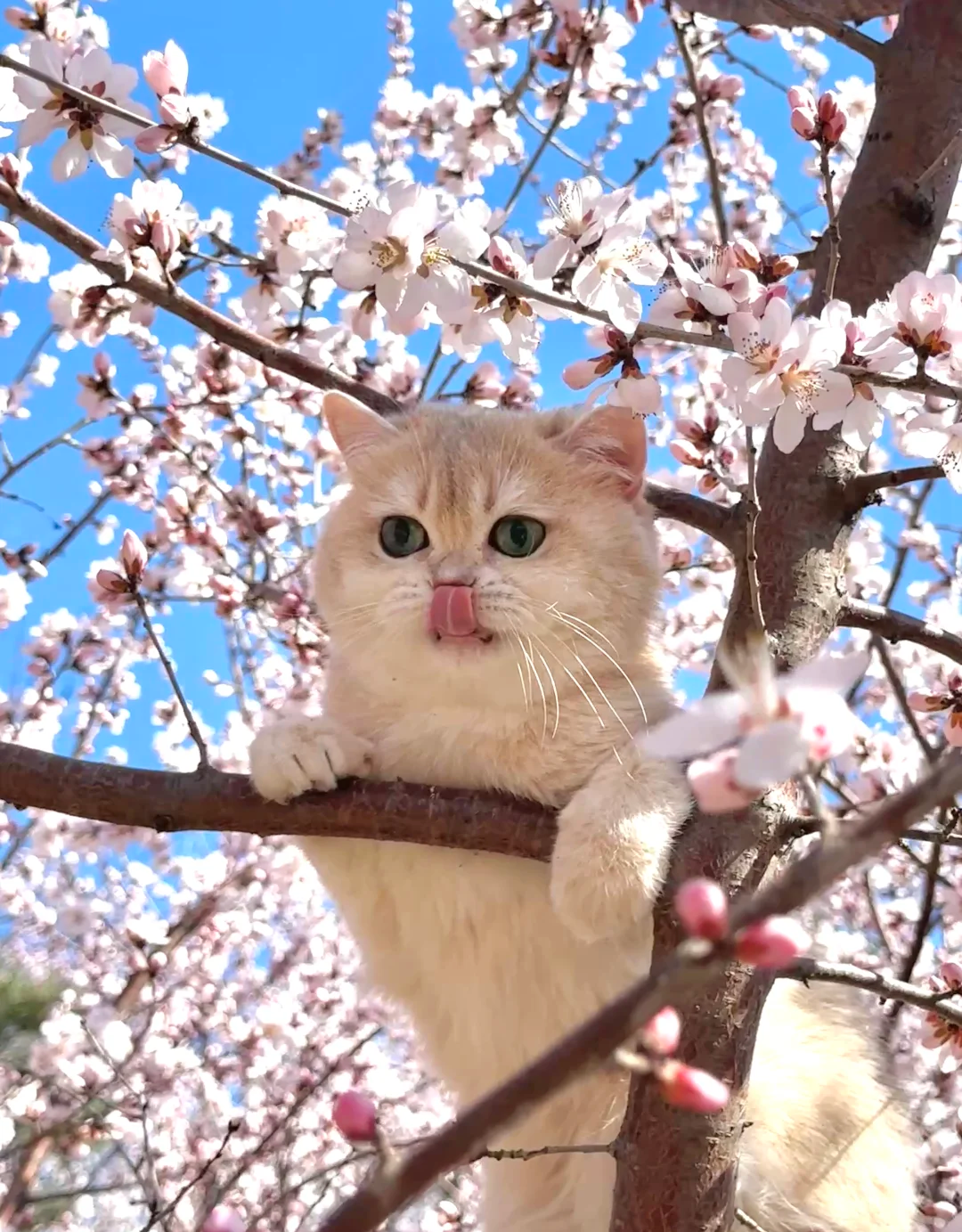
Understanding Cat Behavior
Before addressing unwanted behaviors, it’s important to recognize that what we call “bad habits” are often natural cat behaviors that simply conflict with human expectations. Cats don’t act out of spite or malice—they behave according to their instincts and needs. Successful behavior modification starts with understanding why your cat behaves a certain way.
Common Cat Behaviors That Challenge Owners
Destructive Scratching:
- Scratching is a natural marking and stretching behavior
- Cats scratch to maintain claw health and stretch their muscles
- It also leaves visual and scent marks in their territory
- Providing appropriate alternatives is key to redirection
Excessive Vocalization:
- Cats may meow excessively when seeking attention
- Some breeds are naturally more vocal than others
- Nighttime meowing can indicate hunting instincts
- Changes in vocalization patterns may signal unmet needs
Litter Box Issues:
- Inappropriate elimination often has underlying causes
- Location, cleanliness, or size of the box may be factors
- Multi-cat households may have territorial concerns
- Medical issues should always be ruled out first
Aggressive Play or Biting:
- Play aggression is common, especially in young cats
- Hands used as toys can create biting problems
- Fear-based aggression requires different approaches
- Redirecting to appropriate toys is essential
Furniture Climbing:
- High places represent safety and territory control
- Cats naturally seek elevated observation points
- Providing alternatives can reduce furniture climbing
- Consistency in redirection matters
Positive Approaches to Behavior Modification
Redirect Rather Than Punish:
- Never yell at or physically punish your cat
- Punishment creates fear and damages your relationship
- Interrupt unwanted behavior with a calm “no”
- Immediately redirect to an appropriate alternative
Provide Proper Outlets:
- Multiple scratching posts in various materials
- Interactive toys for mental and physical exercise
- Vertical spaces like cat trees and shelves
- Puzzle feeders to satisfy hunting instincts
Environmental Management:
- Make inappropriate targets unappealing
- Use double-sided tape on furniture edges
- Cover preferred climbing spots temporarily
- Ensure litter boxes are accessible and clean
Consistency Is Essential:
- All family members must follow the same rules
- Mixed signals confuse cats and slow progress
- Reward systems must be consistent
- Change takes time—patience is crucial
Preventing Problem Behaviors
Meet Basic Needs:
- Provide regular play sessions daily
- Maintain consistent feeding schedules
- Ensure access to clean water and multiple litter boxes
- Create hiding spots and elevated perches
Enrich the Environment:
- Rotate toys to maintain interest
- Provide window views with bird feeders outside
- Create safe indoor hunting opportunities
- Offer different textures for scratching
Establish Routines:
- Cats thrive on predictability
- Consistent daily schedules reduce stress
- Same feeding times and play times help
- Gradual changes are better than sudden ones
When Bad Habits Signal Deeper Issues
Red Flags That Need Attention:
- Sudden changes in established behaviors
- Litter box problems with no obvious cause
- Aggression that appears suddenly
- Excessive grooming leading to bald patches
- Changes in eating or sleeping patterns
Understanding the Root Cause:
- Many “bad habits” stem from anxiety or stress
- Medical conditions can trigger behavioral changes
- Pain can cause irritability and behavioral shifts
- Senior cats may experience cognitive changes
Building a Better Relationship
Positive Reinforcement Works:
- Reward desired behaviors with treats and praise
- Catch your cat being good when possible
- Build trust through gentle, predictable interactions
- Respect your cat’s boundaries and personality
Quality Time Together:
- Scheduled play strengthens your bond
- Grooming sessions can be calming for both
- Quiet companionship matters to many cats
- Let your cat initiate affectionate contact
Important Note: If your cat’s behavioral problems persist despite consistent training efforts, if aggressive behavior poses safety risks, or if you notice any sudden changes in behavior accompanied by other symptoms such as changes in appetite, weight loss, lethargy, or visible distress, please consult a veterinarian promptly. A vet can rule out medical conditions and may recommend a certified animal behaviorist for complex behavioral issues.