

How Do I Know If My Cat Is Anxious
Medically Reviewed by Dr. Marcus Thorne, BVSc, Veterinary Behaviorist
Written by the SickCat Editorial Team · Updated Apr 15, 2026
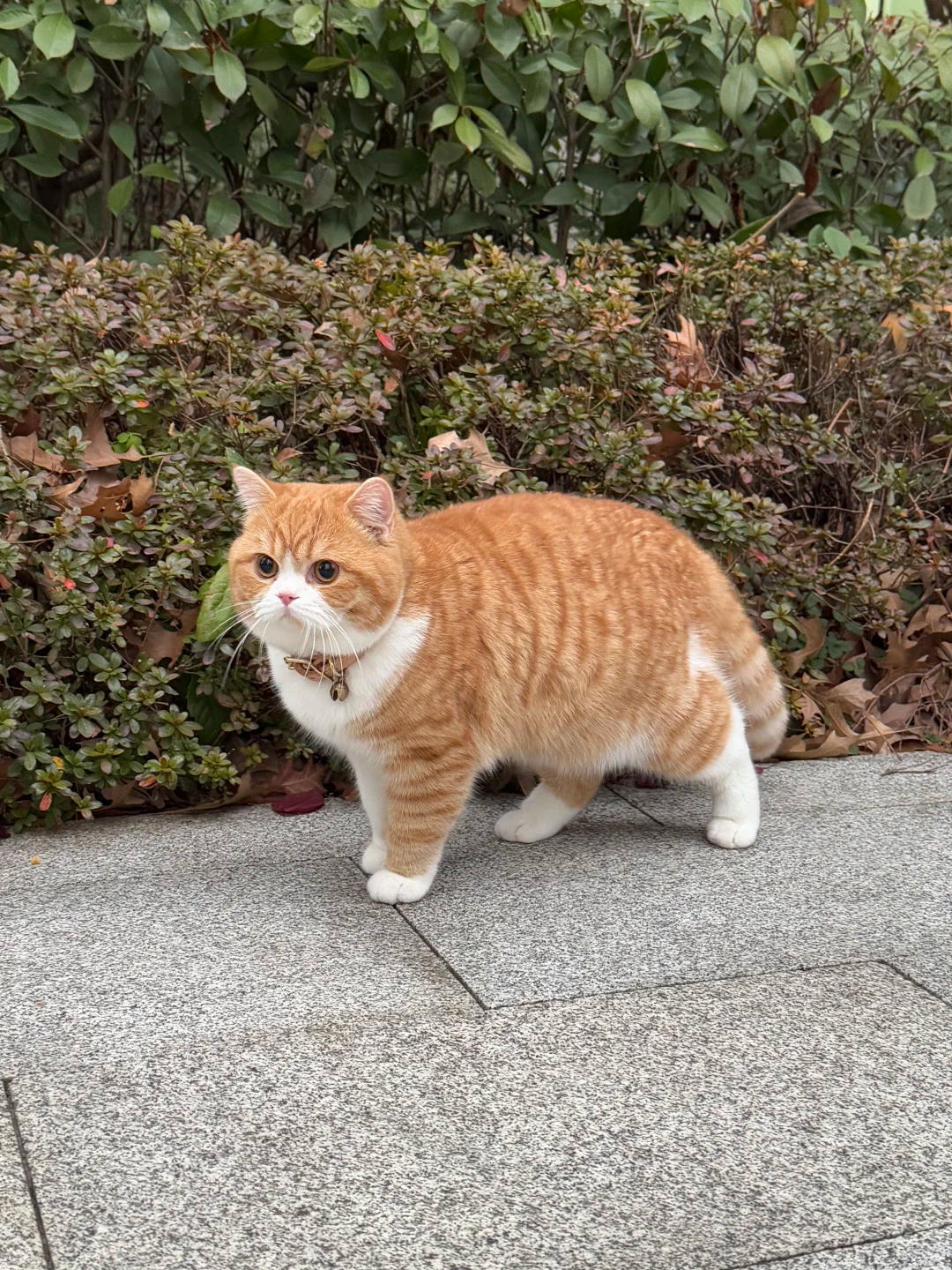
Understanding Feline Anxiety
Just like humans, cats can experience anxiety. As a cat owner, recognizing the signs of stress and anxiety in your feline friend is essential for their well-being. Anxiety in cats can manifest in various ways, and understanding these signals helps you provide better care and create a calmer environment for your pet.
Common Signs of Anxiety in Cats
Behavioral Changes:
- Excessive grooming or fur pulling
- Hiding more than usual
- Aggression or increased irritability
- Changes in eating or drinking habits
- Avoiding certain rooms or places
- Excessive meowing or vocalization
Physical Indicators:
- Dilated pupils
- Flattened ears
- Tucked tail
- Puffed-up fur
- Trembling or shaking
Repetitive Behaviors:
- Pacing back and forth
- Compulsive scratching
- Licking objects excessively
What May Cause Cat Anxiety
Several factors can trigger anxiety in cats:
- Changes in routine or environment (moving to a new home)
- Introduction of new pets or family members
- Loud noises or construction
- Lack of mental stimulation or play
- Insufficient hiding spots or safe spaces
- Changes in litter box location
How to Help an Anxious Cat
- Provide quiet, safe spaces where your cat can retreat
- Maintain consistent daily routines
- Use interactive toys for mental stimulation
- Consider pheromone diffusers (available at pet stores)
- Ensure plenty of vertical spaces like cat trees
- Give your cat time and space—don’t force interaction
Important Note: If your cat shows persistent signs of anxiety, exhibits sudden behavioral changes, stops eating for more than 24 hours, or displays any concerning symptoms, please consult a veterinarian promptly. A vet can help rule out underlying health issues and recommend appropriate next steps for your cat’s well-being.